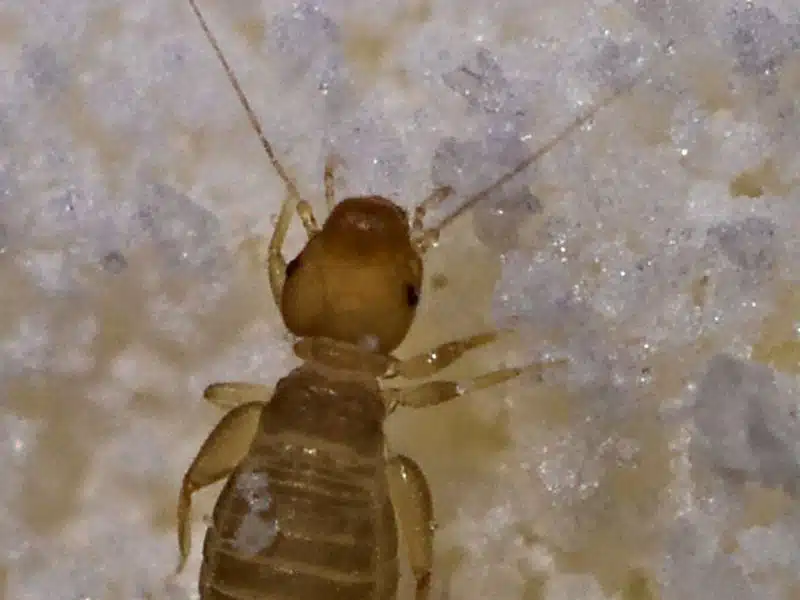
 Harmless — humidity signal
 Booklice: how to identify them (and why they’re not lice)
Liposcelis spp.
Damp wallpaper, old books and stored cardboard, opened dry food packages, damp bathrooms and basements
Indoor pests · pantry, fabric & damp rooms
Narrow it down in three taps, then follow a step-by-step removal protocol with real timings and checkpoints. No panic, no upsell.
Bug finder
Every filter is optional. Leave one blank if you’re not sure.
There is a full guide for this exact combination: …
Sizes are adult body length. The bar shows scale against a 20 mm reference so you can compare species at a glance.
Harmless — humidity signal Liposcelis spp.
Damp wallpaper, old books and stored cardboard, opened dry food packages, damp bathrooms and basements
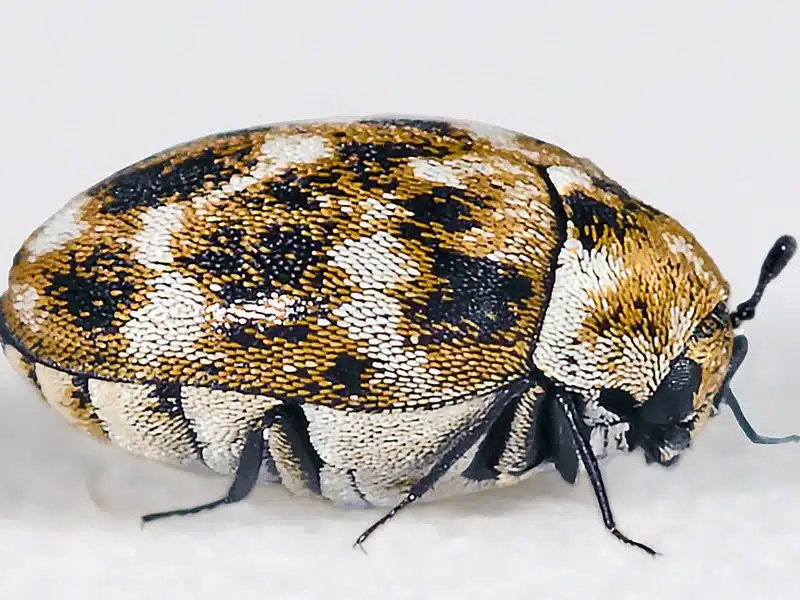 Fabric damage
 Anthrenus verbasci (varied carpet beetle) and Attagenus spp. (black carpet beetle)
Closets, carpet edges, under rugs and furniture, stored wool or fur items, and windowsills (adults)
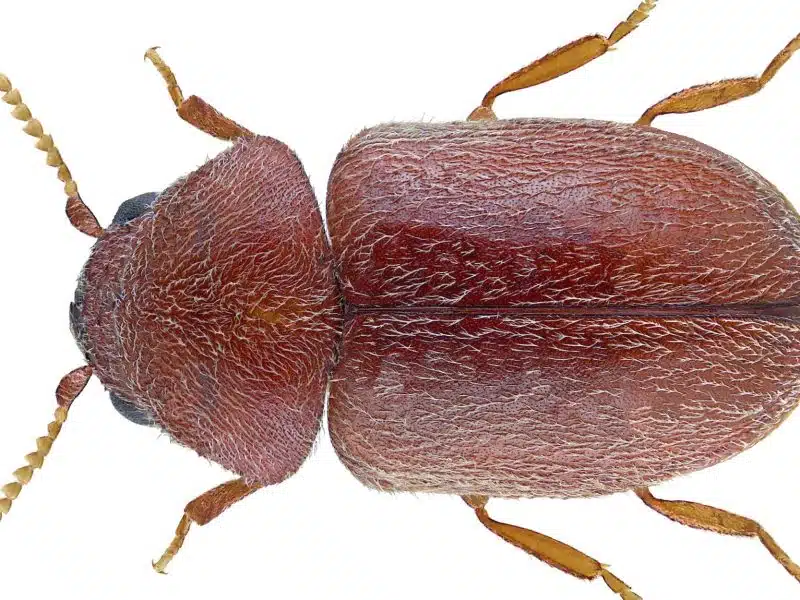 Pantry food contamination
 Lasioderma serricorne
Dried spices, pet food, cereal, dried fruit, dried flowers and potpourri
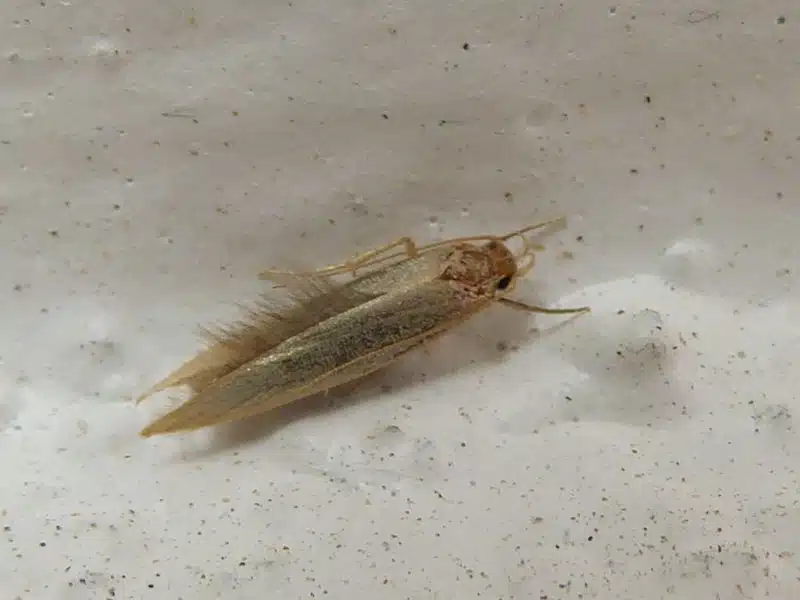 Fabric damage
 Tineola bisselliella (webbing clothes moth); Tinea pellionella (casemaking clothes moth)
Closets, wardrobes, stored wool coats and blankets, natural-bristle brushes, felt, under rugs, taxidermy, piano felts
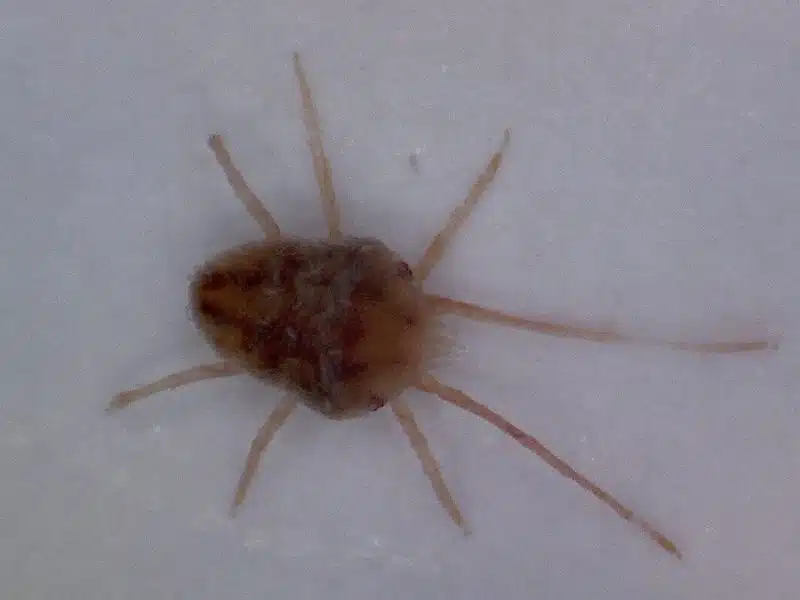 Cosmetic stains only
 Bryobia praetiosa
Sunny window frames, sills, and exterior walls, most often in spring and fall
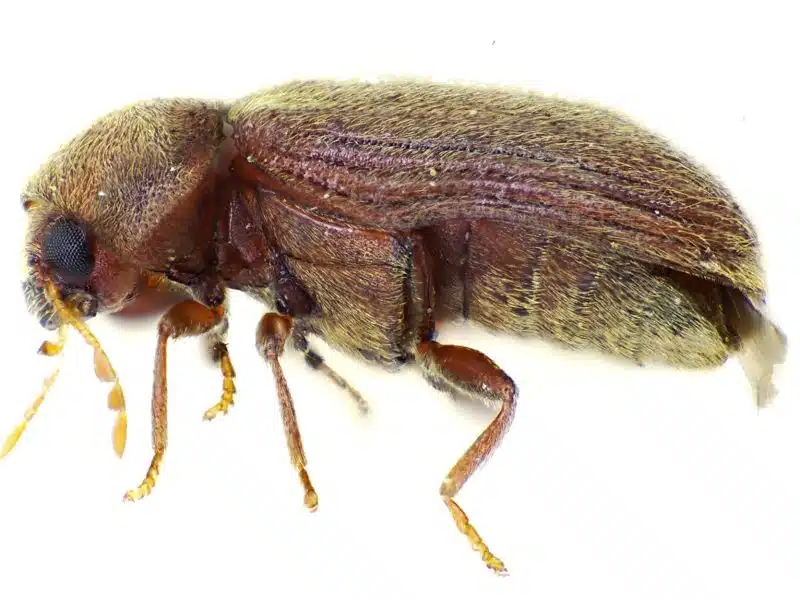 Pantry food contamination
 Stegobium paniceum
Pantry staples, spice jars, dry pet food, old books and paper
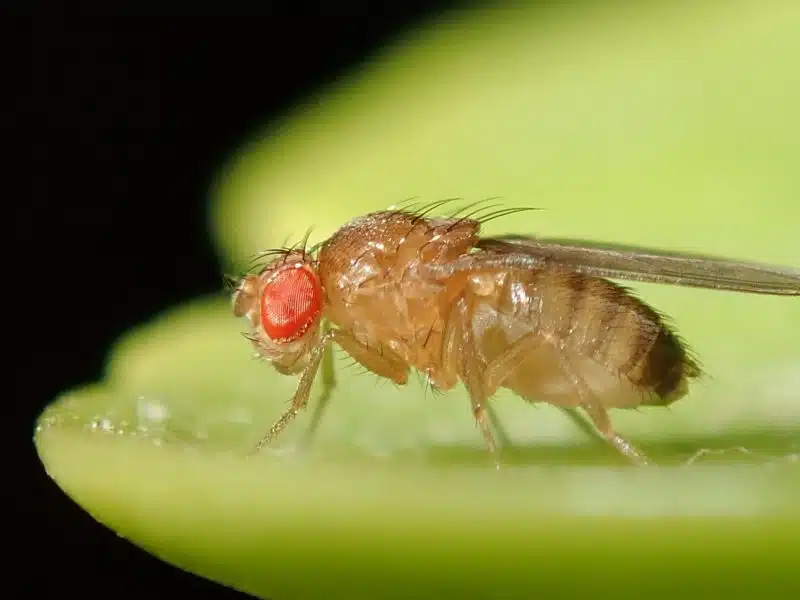 Food contamination
 Drosophila melanogaster
Kitchens and anywhere food or drink residue ferments: fruit bowls, trash cans, recycling bins, drains, garbage disposals
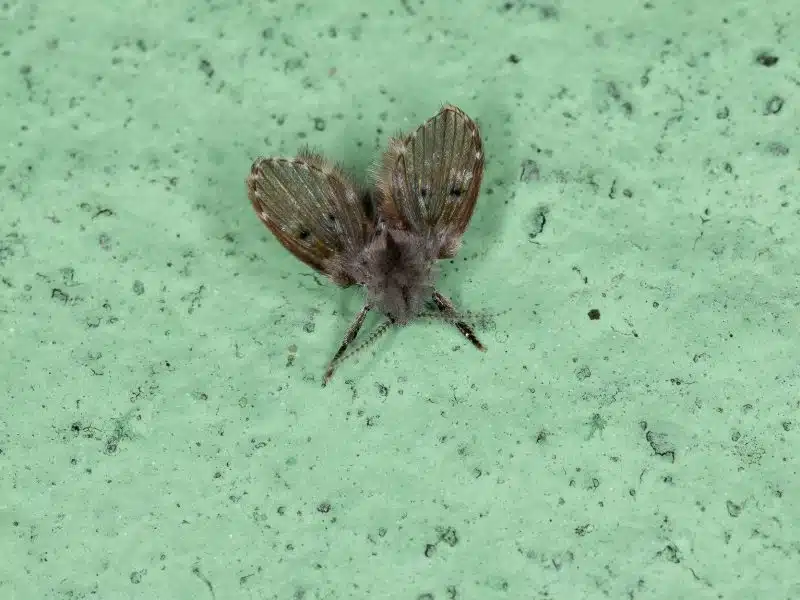 Nuisance only
 Bradysia spp. (fungus gnats); family Psychodidae, e.g. Clogmia albipunctata (drain flies)
Houseplant soil and windowsills for fungus gnats; sink, tub, and floor drains for drain flies
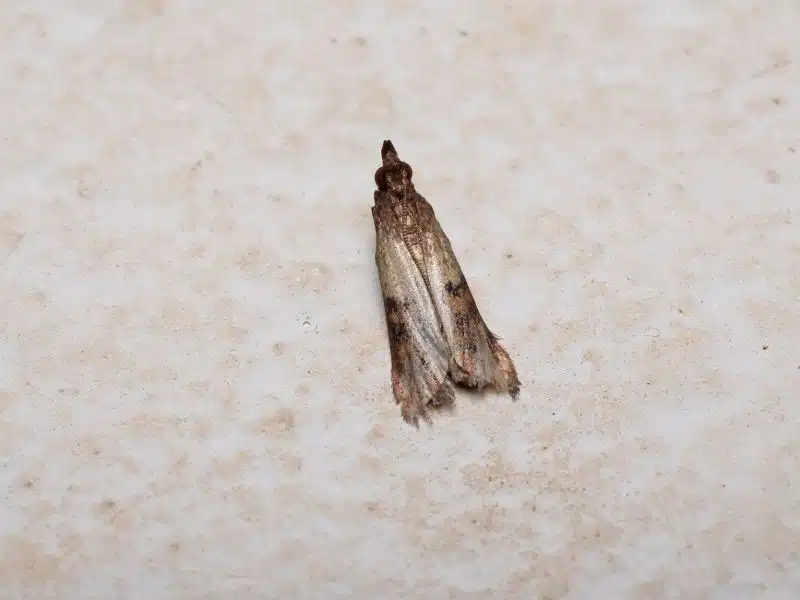 Food contamination
 Plodia interpunctella
Kitchen cupboards and shelving, in and around flour, cereal, dried fruit, nuts, pet food and birdseed.
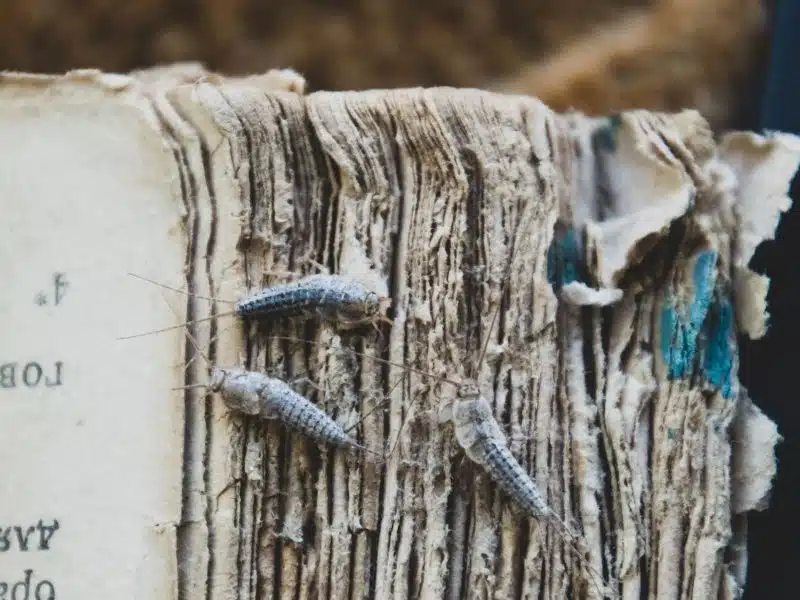 Paper & fabric damage
 Lepisma saccharinum
Bathrooms, basements, laundry rooms, and other consistently humid parts of the house; also turns up in closets, attics, and boxes of stored paper goods.
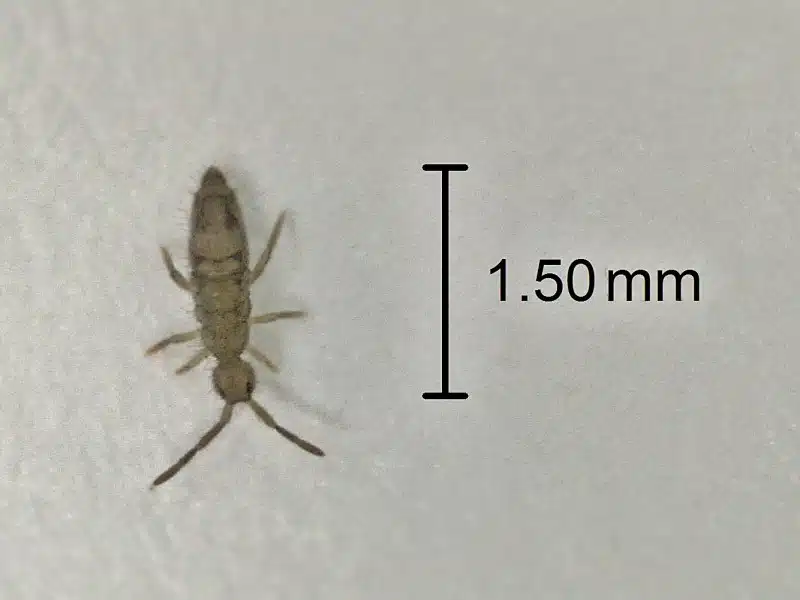 Harmless — humidity signal
 Order Collembola
Near sinks, shower trays, overwatered houseplants, damp soil, basements, and bathrooms — anywhere moisture stays constant
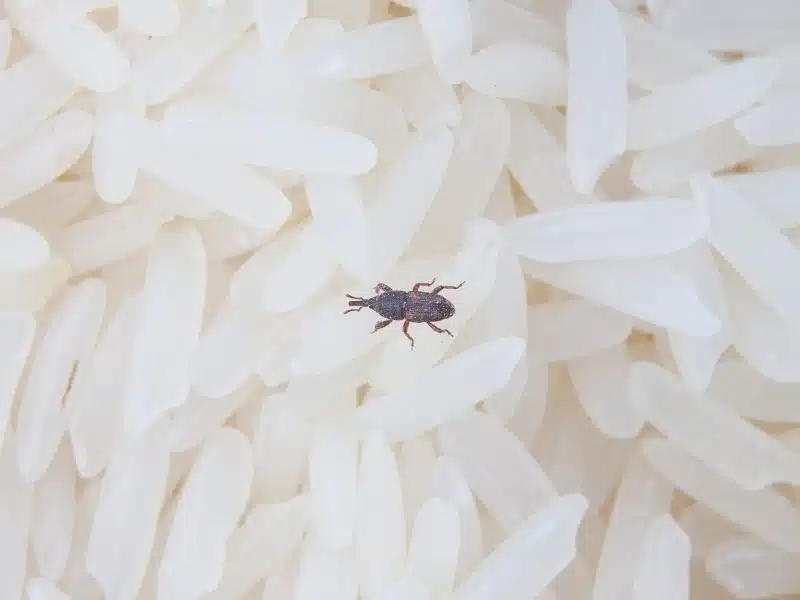 Food contamination
 Sitophilus granarius / Sitophilus oryzae (often confused with Tribolium castaneum / T. confusum)
Whole grains, rice, flour, cereal, dried beans, and pasta in kitchen pantries
Nothing matches that combination yet. Try removing one filter — or describe it in the search box.
Each of these is its own guide — the species that fit the description, the photos to compare against, and the removal steps. The finder above sends you to the same pages.
Identification is the door. The work happens in the protocols, the product tests and the room-by-room prevention.
Species pages built around what you actually saw: color, size, wings, room, time of day.
12 speciesStep by step, with realistic durations and a checkpoint at each stage so you know it worked.
What we bought, what we ran, and what we would not buy again. The protocol is published with the results.
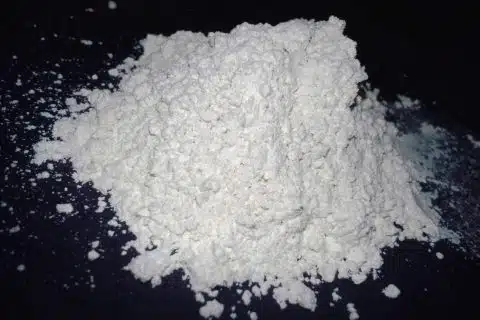
Diatomaceous earth kills springtails by drying out their cuticle, but the dust stops working the moment it gets damp, and a springtail can't survive anywhere dry. That mismatch decides where the dust is worth using, and where it never will be.
A bedroom has no drain, no trap, nothing you rinse, so springtails on a bedroom baseboard mean water is arriving where you cannot see it. Where they sit in the room narrows that water down to one of six sources.
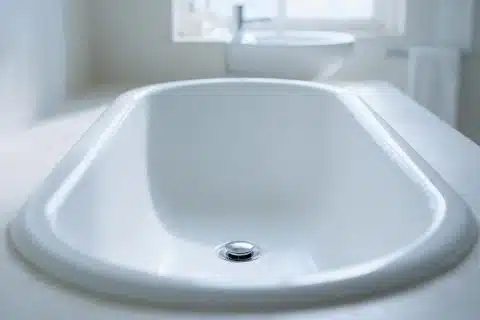
A tub or a basin is a pitfall trap you did not mean to set: springtails fall in from a damp joint above and cannot climb the glazed wall back out. The drain is almost never the way in.
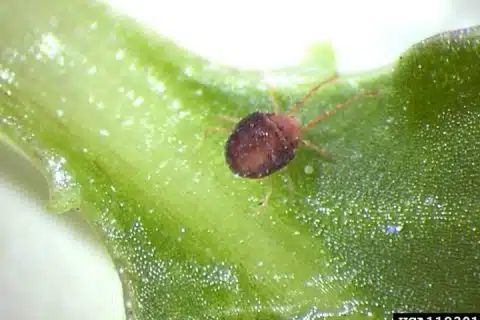
No. Clover mites are sap feeders whose stylets are scaled to puncture a single plant cell, so they have no way to break skin. The only real costs are the rust-red stain when you crush one, and the sheer number of them on a sunny wall.
Every identification page is checked against university extension entomology keys. No AI-generated insect imagery, ever.
Each removal method states how long it takes and how you verify it worked, instead of a vague "repeat as needed".
Claims about biology, life cycles and thresholds are cited inline. Disagree with one? The source is right there.