Short answer: best bug spray for house
There’s no single best option for every house bug, because most of what this site covers isn’t fixed by spraying at all. A spray is a supplement for a narrow set of situations, not the first move, and not a substitute for removing whatever is feeding, sheltering, or breeding the bug in the first place.
- Fix the source first: pull the food, fabric, or moisture that’s supporting the problem.
- If a spray still makes sense, match the category to the job: contact spray for what you can see right now, residual spray for cracks and edges you can’t watch all day, crack-and-crevice for gaps and voids.
- Read the label before you buy it. It tells you where the product is rated for use, how long to stay out of the room, and how often you’re allowed to reapply.
- Treat the spray as backup. Vacuuming, freezing, sealed storage, drain cleaning, and humidity control do the actual work for the pests this site covers.
Why this site doesn’t lead with sprays
The product comparisons hub on this site says plainly that nothing gets listed until it’s actually been used, and nothing has been tested yet. That same honesty applies to spraying as a method. Look at the pests this site covers and sprays are the tool used least often, because the underlying problem usually isn’t “bugs are present,” it’s “something in the house is feeding, sheltering, or watering them.”
Carpet beetles are almost always a storage and cleaning problem before they’re a spraying problem. A spray does nothing to a larva already inside a wool sweater. Our carpet beetle guide walks through why vacuuming, laundering, and sealed containers carry that fight, not a can. Gnats and drain flies are a plumbing and drain-cleaning issue in most kitchens and bathrooms; our gnat guide covers why cleaning the drain itself beats spraying the room around it. Silverfish respond to humidity control more reliably than to any spray, which is the focus of our silverfish guide.
None of that means a spray is useless. It means it has a job description, and the job is narrower than the label art usually suggests.
The real choice: spray type, not brand
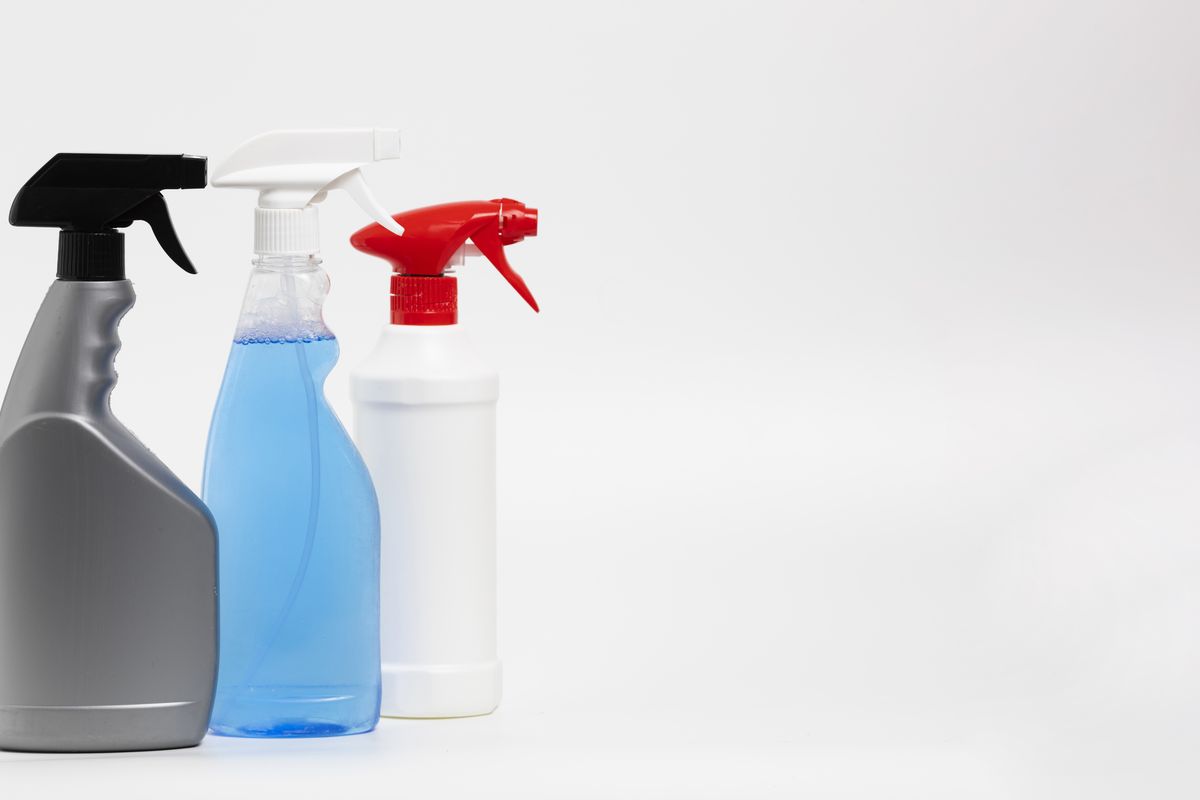
Once you’ve decided a spray is worth adding, the decision that actually matters is which category of spray fits the situation, not which name is on the can. A few terms cover almost everything on a hardware store shelf.
A contact spray kills what it touches at the moment it’s applied and leaves little or nothing behind once it dries. It’s a “right now” tool for a bug you can see. A residual spray is built to leave an active layer on the surface that keeps working for days or weeks after it dries, which matters for spots you can’t monitor constantly, like along a baseboard. Crack-and-crevice application refers to how a product is applied rather than what’s in it: a thin, targeted treatment pushed into gaps, voids, and seams rather than sprayed openly across a surface. A general surface spray covers broad, open areas and is the one most likely to be overused for problems it won’t fix — the three below are the ones worth comparing directly.
| Spray type | What it does | Best use case | Main limitation |
|---|---|---|---|
| Contact spray | Kills on direct contact, little lasting effect | A bug you can see right now, one-off encounter | Does nothing once it dries; no protection against what comes next |
| Residual spray | Leaves an active layer that keeps working after it dries | Baseboards, entry points, and spots you can’t watch constantly | Needs the right surface and reapplication schedule to keep working |
| Crack-and-crevice | Targeted placement into gaps, seams, and voids | Hidden harborage points behind trim, under appliances, in wall voids | Slow and precise; not built for open, visible surfaces |
Where a spray actually fits: use it after you’ve removed the food, fiber, or moisture source, not instead of removing it. A residual spray around a closet baseboard is a reasonable backup once the infested clothing has already been washed, dried on high heat, or frozen and sealed away. It’s not a fix for the clothing itself.
Safety comes before results: ventilate the room during and after application, keep people and pets out for the full interval the label specifies, and never mix two products together to make something “stronger.” Mixing sprays is one of the more common ways people turn a minor pest problem into a bigger household one.
Reading the label before you spray
The label is the actual authority here, not this article and not the marketing copy on the front of the box. What it says varies from product to product, which is exactly why nothing here recommends a specific one.
Check whether the product is labeled for indoor use, outdoor use, or both, and note the contact time: how long to leave the room before it’s safe to go back in. Check for any instruction about food-contact surfaces, cabinets, and countertops, since those areas usually carry separate handling rules from a baseboard or closet floor. And check the reapplication interval: spraying more often than the label allows doesn’t make it work better, it just adds product to a space that didn’t need it.
If any of that is unclear on the packaging, that’s a reason to put the product back, not a reason to guess.
FAQ
Is there one spray that works for every house bug?
No. The right choice depends on the pest and the spot, which is why this article compares spray categories instead of naming a single product. For most of the pests on this site, a spray is a secondary step after the source has been dealt with.
Will a spray get rid of carpet beetles or moths on its own?
Not reliably. Larvae hidden inside fabric or stored food are largely out of reach of a surface spray. Vacuuming, laundering or freezing infested items, and sealed storage are what actually breaks the cycle; a residual spray around the area can be a supplement afterward.
Should I use a spray for gnats or drain flies?
Usually not as a first step. Gnats and drain flies breed in the gunk lining a drain, and a spray in the room does little about that. Cleaning the drain itself is the more effective move; see the gnat guide for the specific method.
How long do I need to stay out of a room after spraying?
That’s set by the specific product’s label, not by a general rule, since contact times vary by formulation. Read the label and follow its stated interval before people or pets go back into the space.