Short answer
If you just spotted a moth near the pantry, here’s the fast version before the full walkthrough below.
- Toss every infested package, not just the one you spotted the moth near.
- Empty the cupboard and vacuum every corner, joint, and screw hole.
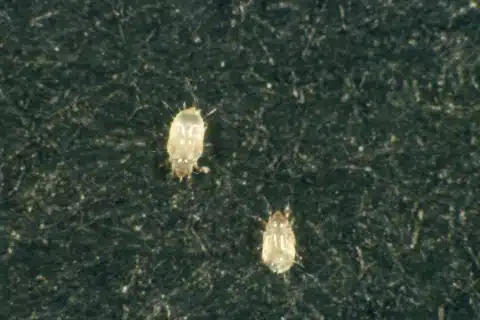
- Store what’s left in airtight containers and hang a pheromone trap to catch the rest. Which pantry bug you actually have is worth confirming first.
The full protocol

Find every infested package
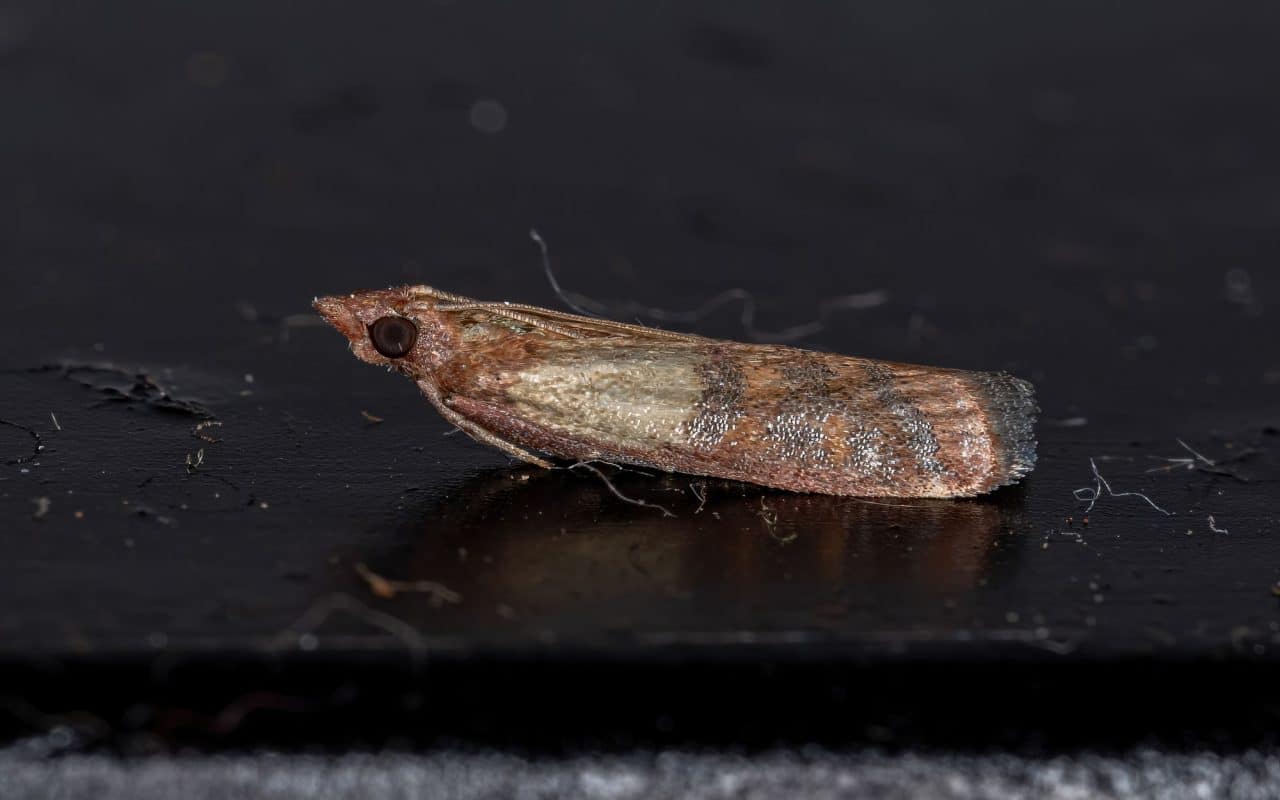
Don’t stop at the box you saw a moth crawl out of. Indian meal moth larvae wander, so check flour, cereal, rice, pasta, dried fruit, nuts, pet food, and birdseed, anything dry that’s been stored for more than a few weeks. Look for fine silk webbing clumping the contents together, small white or cream larvae, or pupae stuck near the top of the bag.
Bag and toss what’s infested
Seal each infested package in a plastic bag before it leaves the cupboard so larvae don’t drop out along the way. Carry it straight to the outdoor trash can. Don’t stage it in the kitchen trash can first; that just moves the problem a few feet.
Empty and deep-clean the cupboard
Pull everything out, including containers that looked fine. Vacuum the shelves, corners, and shelf joints thoroughly, paying attention to screw holes and hinge gaps, since larvae often pupate in these tight spots where they won’t be disturbed. Follow with a wipe-down using soap and water, then let it dry fully before restocking.
Freeze borderline goods before they go back in
For dry goods that checked out but were stored near the infestation, freeze them at 0°F (-18°C) for at least four days as a precaution against any eggs or larvae you might have missed; treat 96 hours as a floor rather than a guarantee, and lean toward a week, since home freezers often run warmer than 0°F. Let items return to room temperature before putting them back in the cupboard, or heat-treat instead at 140°F for 15 minutes if freezer space is tight.
Switch to airtight containers going forward
This is the step that actually keeps them out for good. Decant flour, cereal, rice, pasta, dried fruit, nuts, pet food, and birdseed into hard-sided containers with a real gasket seal, not just a folded bag clip. Moths can chew through thin plastic and cardboard, but they can’t get through a sealed container.
Hang a pheromone trap and check it weekly
Hang a pheromone trap for Indian meal moths near the pantry to catch any adults you missed and confirm the infestation is over. Check it once a week and swap the lure as directed on the package.
Don’t do this: Stopping at the one package you found moths in is the easiest way to end up back here in a few weeks. Larvae wander between containers, so skipping the rest of the cupboard undoes everything else you just did.
The shortcut: Skip the guesswork on which packages are contaminated. Look for fine silk webbing clumping the grains together or a few tiny holes in the packaging; that’s the real tell, not just a moth flying out when you open the door.
FAQ
Do pantry moths bite or spread disease?
No. Pantry moths don’t bite people or pets, and they aren’t known to carry disease. They’re a food-contamination nuisance, not a health hazard. The main cost is the dry goods you end up throwing out.
How did pantry moths get into my house?
Almost always in a package from the store. Flour, rice, pet food, birdseed, and dried fruit are common carriers. Eggs or larvae already inside the bag hatch out once they’re sitting in a warm kitchen.
How long does it take to fully get rid of pantry moths?
Plan on one focused day to inspect, toss, and clean, then a few weeks of trap-monitoring to confirm they’re gone. If every infested package was found the first time, trap catches typically drop off within two to three weeks.
Will pantry moths spread to other rooms?
They stay close to a food source, so they’re usually confined to the kitchen and pantry. If you’re still seeing moths in bedrooms or living areas weeks after cleaning out the pantry, check any stored birdseed, pet food, or dried flowers elsewhere in the house.
Sources
- University extension entomology and integrated pest management (IPM) fact sheets