Short answer
If you just want the fastest path to a clean house, do these three things first:
- Vacuum every carpet, rug edge, baseboard, and closet floor, then dump the bag outside immediately.
- Wash or dry-clean wool, fur, and feather items on a hot cycle; freeze anything that can’t be washed.
- Set out a few pheromone traps near windows and closets to confirm the larvae are actually gone.
The full protocol
Confirm the source
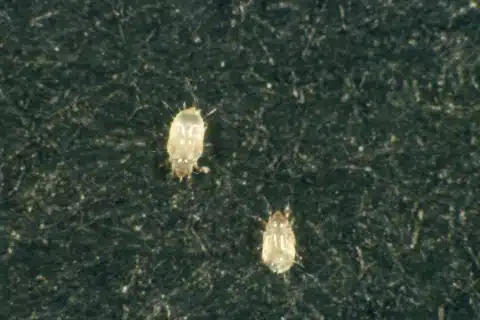
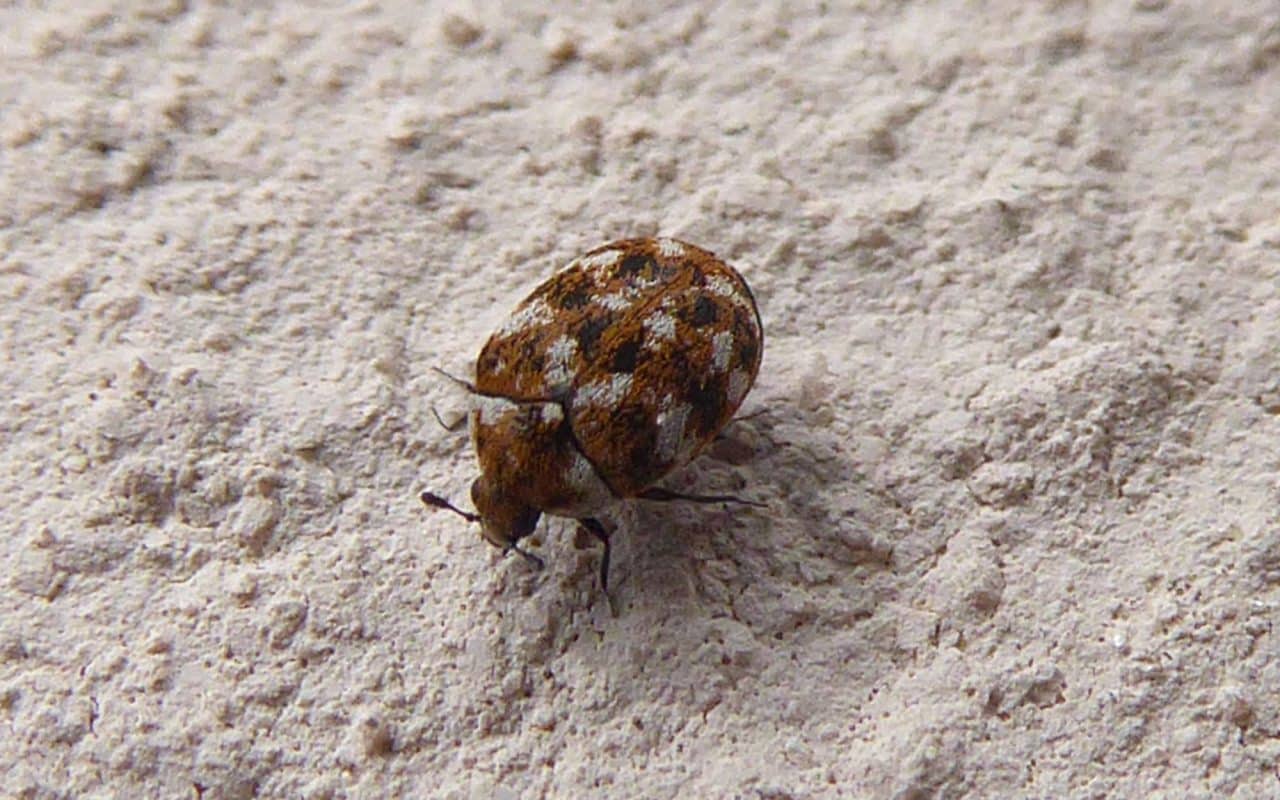
Start with a real inspection instead of guessing. Check closet floors and shelves, the underside of rugs and furniture, stored wool sweaters, fur trim, and any feather-filled items. Carpet beetle larvae are small, bristly, and tend to hide in dark, undisturbed spots. Check along baseboards, inside vents, and in seldom-used closets. Shed larval skins are actually a better clue than live larvae, since they pile up wherever the insects have been feeding.
Vacuum everything, aggressively
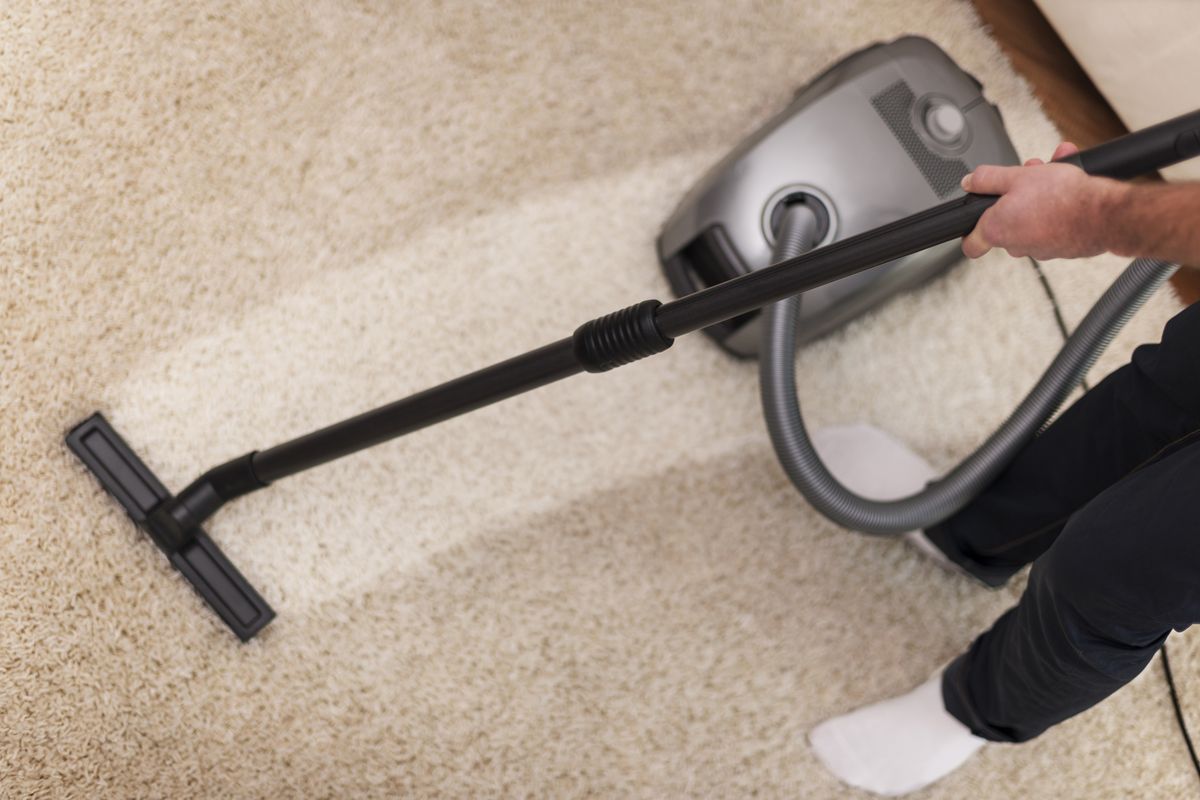
This is the step that removes the bulk of the population. Vacuum carpets edge to edge, get under furniture and rugs, run a crevice tool along baseboards and vents, and go over upholstery seams and folds where lint and hair collect. Don’t just skim the visible traffic areas. The larvae live in the debris along edges and in corners, not in the open middle of the room. As soon as you’re done, pull the bag or empty the canister into an outdoor trash can. Leaving it inside just gives any survivors a way back in.
Launder, dry-clean, or freeze at-risk textiles
Wool, fur, feathers, silk, and anything with natural fiber content are what carpet beetle larvae eat, so those items need direct treatment, not just proximity to a clean carpet. Machine-washable pieces should go through a hot cycle and a hot dryer. Items that can’t be washed do well dry-cleaned, or run through a dryer on high heat for about 30 minutes if the fabric can take it. Small items that can’t handle heat or cleaning, like a delicate hat or a stuffed animal, can be sealed in a bag and put in the freezer for at least three to four days, a full week is safer, to kill both larvae and eggs.
Discard what’s too far gone
Some items just aren’t worth saving: a sweater riddled with holes, a rug pad chewed through, damage deep in stored bedding. Bag these up and get them out of the house rather than leaving them in a hamper or donation pile, where they’ll keep feeding a population you’re otherwise clearing out.
Monitor with traps
Set out a few sticky pheromone-style traps near windows, closets, and wherever you found the heaviest activity. These won’t solve an infestation on their own, but they tell you whether your cleanup worked. Check them weekly. A trap that keeps catching beetles well into week three, or larvae that turn up again after you thought you were done, points to a source you missed, or an infestation heavy enough that it’s worth calling a licensed pest control professional instead of repeating the cycle yourself.
Prevent it from coming back
Caulk gaps around windows and baseboards where adults get in from outside, since they’re drawn to sunlit windowsills and often start there before ever reaching a closet. Cut down on clutter in storage areas, since dust, pet hair, and lint buildup is exactly what larvae feed on between meals. Store off-season wool items in sealed plastic bins rather than open shelving, and add a cedar block or sachet, which helps deter new activity in stored textiles.
Don’t do this: The most common reason carpet beetles come back is treating the living room carpet and skipping the closet. The larvae are usually feeding on stored wool sweaters, an old fur collar, or a forgotten feather pillow. Vacuum all you want; if those items never get washed or frozen, the source stays in place.
The shortcut: A stiff-bristle upholstery attachment gets larvae out of carpet pile and seams far better than a bare hose. Run it slowly, in overlapping passes, along baseboards and rug edges where beetles actually cluster.
FAQ
Do carpet beetles bite?
No. Carpet beetles don’t bite people or pets. They feed on natural fibers like wool, fur, feathers, and silk, not on skin. If you have itchy bumps you assumed were bites, see do carpet beetles bite? for what the reaction actually is and how it differs from bed bug bites.
How long does it take to get rid of carpet beetles?
The hands-on cleanup, inspecting, vacuuming, and treating textiles, usually takes a day or two. Confirming they’re actually gone takes longer: plan on two to three weeks of trap monitoring before you can call it resolved.
What attracts carpet beetles to a house?
Adults are drawn to sunlight and often show up on windowsills in spring, which is usually the first sign anyone notices. Once inside, they lay eggs near natural-fiber materials, wool rugs, fur, feathers, pet hair, and even dead insects in wall voids, which is what the larvae need to develop.
Do I need to throw away my carpet?
Usually not. Thorough vacuuming removes larvae and eggs from carpet fibers in most cases. The items actually at risk are natural-fiber textiles stored nearby; a synthetic-blend carpet itself isn’t a food source the way stored wool clothing is.
Sources
- University extension entomology and integrated pest management (IPM) fact sheets