How to Reduce Humidity in Your House
Damp-loving bugs need damp air. Drying the room out is the control that works, and below about 50% relative humidity is the target to hold.
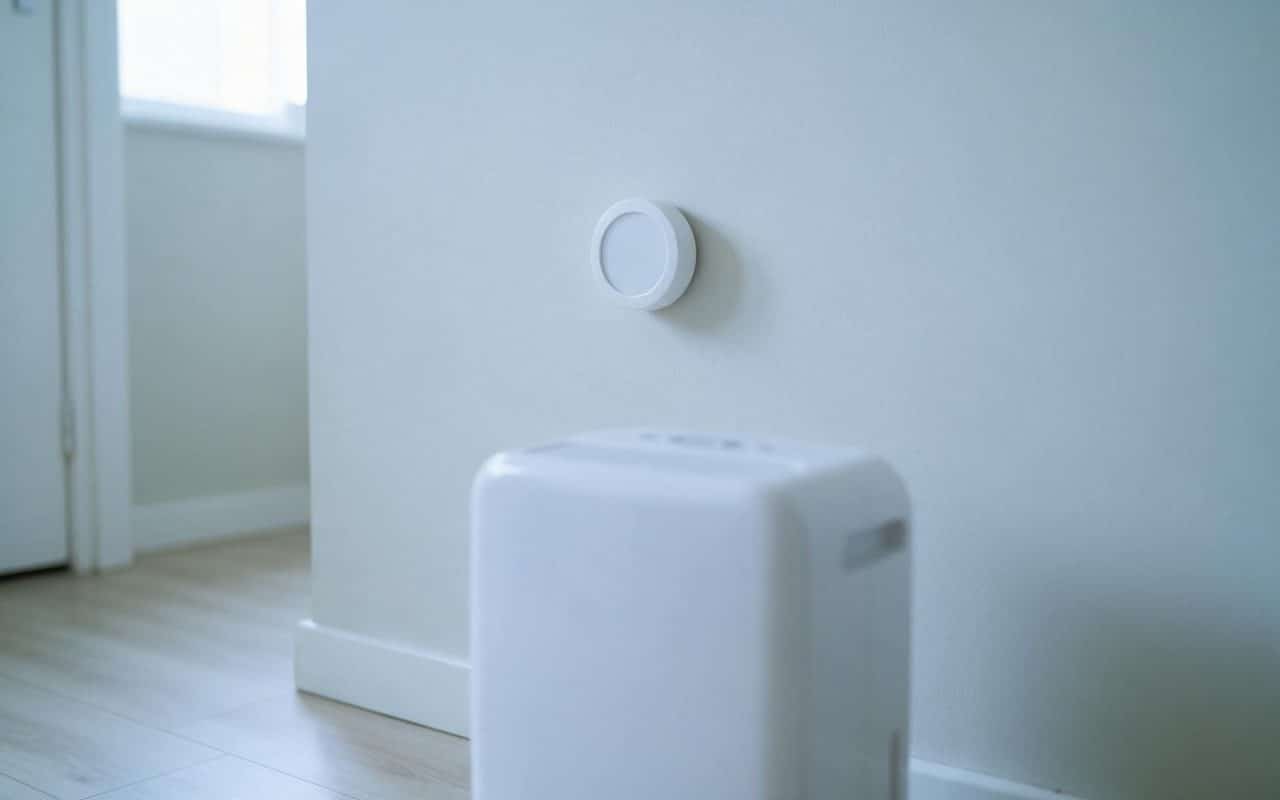
How to reduce humidity in house: the short answer
Ventilation first, the actual moisture source second, a dehumidifier last as backup. Bugs that depend on damp conditions, mold, and musty smells all trace back to the same cause: relative humidity staying too high for too long. Keeping a room consistently below about 50% relative humidity, the range public-health guidance recommends indoors anyway, makes it far less hospitable to them. No extension source names an exact humidity at which these insects stop breeding, so treat 50% as a target to aim at, not a switch that flips.
- Ventilate: run extractor fans, open windows when weather allows, and keep air moving through closed-off rooms.
- Fix the source: a slow leak, an unvented shower, an over-watered houseplant, or wet laundry drying indoors will out-produce any fan.
- Add a dehumidifier where structural fixes alone can’t get you there, and set it to a target humidity rather than a timer.
Why this matters for bugs, not just mold
Most humidity advice online is about comfort or mildew stains. For this site, the more useful angle is entomological. Three household insects specifically need sustained high relative humidity to survive and breed: silverfish, booklice, and springtails. None of them are chasing food scraps or clutter the way a pantry moth is. They’re chasing moisture. Take the moisture away and the population stalls whether or not you ever spray, trap, or vacuum anything.
Silverfish are the one already covered in depth on this site, with a full removal protocol at how to get rid of silverfish. Booklice and springtails behave almost identically: tiny, pale or gray, found in bathrooms, basements, and around houseplants, and functionally solved the same way, by lowering humidity rather than chasing individual insects around a room. Springtails have their own protocol, built around finding the wet spot rather than the animal. If you’re seeing any of the three, the humidity in that room is the actual problem to fix.
Where humidity actually builds up indoors
Humidity problems are almost always local, not whole-house. A few spots do most of the damage.
- A bathroom without a working extractor fan traps steam long after the shower ends. Run the fan for 15 to 20 minutes after you finish, not just while the water is running, and the room drops back to baseline humidity far faster.
- Basements sit low and cool, which means the air there holds moisture and shows it as damp concrete, condensation, or a musty smell even when the rest of the house feels dry. A basement dehumidifier set to a target humidity, not a countdown timer, keeps the space in range around the clock instead of drying it out once and letting it climb back up overnight.
- Kitchens with heavily watered plants, a kettle running constantly, or dishes air-drying on the counter push more moisture into the air than people expect. Move plants away from corners with poor airflow and crack a window or run an exhaust fan while cooking.
- Laundry rooms and drying racks are a major overlooked source. Drying clothes indoors with the door shut pushes a surprising amount of moisture into that one room’s air. Vent the space, crack a window, or run a fan while laundry dries instead of sealing the room and trapping the moisture in with it.
- Condensation on cold exterior walls, especially in older or poorly insulated homes, forms wherever warm indoor air hits a cold surface. Wiping it down treats the symptom; improving airflow around that wall and reducing the humidity feeding it treats the cause.
Buy this before a dehumidifier: a cheap hygrometer is the better first purchase. Most people guess at their humidity level and guess wrong in both directions, either buying a dehumidifier they didn’t need or underpowering one for a basement that actually needs it running most of the day. A five-dollar hygrometer tells you what you’re actually dealing with before you spend on equipment.
Common mistake: running a dehumidifier in a sealed room without fixing the leak or the vent problem causing the moisture. The unit fights a losing battle against a constant source, never catches up, and you end up assuming dehumidifiers don’t work when the real issue was never addressed. Find and fix the source first, then let the dehumidifier hold the line.
What humidity level actually stops these bugs from breeding?
There is no published figure for a humidity at which these three stop breeding, and anyone quoting one is inventing it. What the extension sources do say is that silverfish, booklice, and springtails all need consistently damp conditions, and that drying the space out is the control that works. Aim for a sustained reading below about 50%, which is the indoor target public-health guidance gives anyway, and hold it rather than hitting it briefly after running a fan.
Does a fan alone help, or do I need a dehumidifier?
A fan helps by moving air and speeding evaporation, which matters a lot in a bathroom or laundry room right after use. It won’t lower the baseline humidity of a damp basement or a room with a constant moisture source on its own. Use fans and ventilation as the first line, and add a dehumidifier where the space stays humid even with good airflow.