Short answer
If you just want the fastest path to fewer silverfish, here it is:
- Drop indoor humidity below 50% with a dehumidifier or exhaust fan.
- Vacuum, declutter, and swap cardboard storage for sealed plastic bins.
- Caulk entry points and confirm with sticky traps that numbers are dropping.
The full protocol
Find and fix the moisture source
Silverfish don’t show up because a house is dirty; they show up because somewhere it’s damp. Walk the house and check under sinks, around the water heater, behind the washing machine, along basement walls, and at window sills for condensation. Look at whether the bathroom fan actually vents outside or just blows into the attic. Fix what you find: patch the leak, re-caulk the tub surround, add a vent if there isn’t one. This is the step that matters most; the rest just cleans up what’s left.
Get relative humidity under 50%
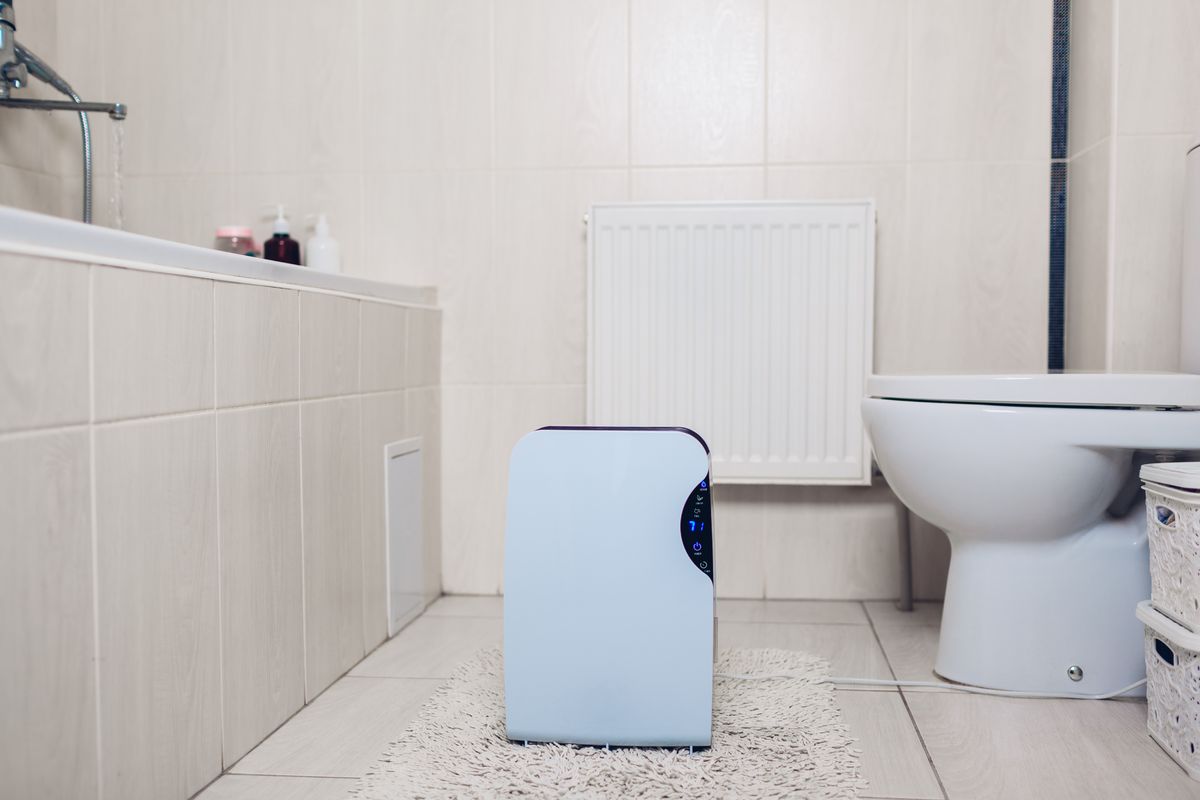
Buy a cheap hygrometer and put it in the room that’s been a problem: bathroom, basement, or closet. Run a dehumidifier there, or run the bathroom exhaust fan for a full 20 minutes after every shower instead of shutting it off right away. In a basement, a standalone dehumidifier set to hold the room below about 50% RH is usually enough on its own. Aim at that figure because it is the indoor target public-health guidance gives anyway, not because it flips a switch.
Declutter and vacuum the hiding spots
Vacuum baseboards, closet corners, under the sink cabinet, and any storage boxes that have been sitting untouched. Cardboard is a literal food source for silverfish, since the glue and cellulose in it are exactly what they eat, so move stored items into plastic bins with tight-fitting lids and clear the cardboard out of the basement or closet. Empty the vacuum outside when you’re done instead of leaving it in the house.
Seal the entry points
Run a bead of caulk around pipe penetrations under sinks, gaps at baseboards, and cracks around window and door frames. These are the same gaps that let humidity and outdoor moisture into wall voids in the first place, so sealing them does double duty.
Add diatomaceous earth as an optional mechanical backstop
Food-grade diatomaceous earth works by drying out the exoskeleton of insects that crawl through it; it’s a mechanical measure, not a chemical one. Puff a thin, barely visible layer into cracks, wall voids, and behind baseboards in the areas you flagged in step one. Keep it out of open living space and away from anywhere pets or kids put their hands, since a visible pile isn’t doing anything extra and is just something to inhale. Our full breakdown of dosing, placement, and why humidity undercuts it covers this step in more depth.
Monitor with sticky traps
Place a few glue or sticky traps flat against the baseboard in the bathroom, basement, or wherever activity was highest. Check them weekly and log the count. This is how you confirm the first five steps are working instead of just hoping they are.
Don’t do this: The most common reason silverfish “keep coming back” is treating the symptom and skipping the cause: people vacuum and seal cracks but never get the humidity down, or they run a dehumidifier for a week, see fewer bugs, and shut it off. Let the room drift damp again and the conditions that supported them are back, so hold the reading below about 50% instead of hitting it once.
The shortcut: A $10 to $15 hygrometer left in the suspect room for a few days is the fastest diagnostic you have. It tells you, in writing, whether you actually have a humidity problem before you spend money on a dehumidifier or start recaulking the whole bathroom.
FAQ
Do silverfish bite people?
No. Silverfish don’t bite, sting, or spread disease. They’re a nuisance and food-source pest, not a health threat; the main downside is finding them in books, cereal boxes, and bathroom drawers.
What attracts silverfish to a house?
Sustained damp air, plus food sources like starches, book glue, wallpaper paste, and cardboard. No extension source names a humidity at which silverfish stop breeding, so treat below about 50% as the indoor target to hold rather than a cutoff. Bathrooms, basements, attics, and closets with poor airflow are the most common spots.
How long does it take to get rid of silverfish?
Trap catches should start dropping within 2-3 weeks once you’ve cut humidity and cleared out food sources, based on the timeline in this protocol. A heavier infestation can take 4-6 weeks to fully clear.
Should I call an exterminator for silverfish?
If trap counts aren’t dropping after a month of humidity control, decluttering, and sealing, or if you’re seeing them in multiple rooms, it’s reasonable to call a licensed pest control professional rather than keep troubleshooting on your own. Here’s what that costs and what you’re actually paying for.
Sources
- University extension entomology and integrated pest management (IPM) fact sheets