Short answer
A silverfish exterminator is worth paying for when you’re seeing silverfish during the day, finding them in more than one room, or a full DIY cycle hasn’t reduced trap counts. For a single nighttime sighting in a damp bathroom, the cheaper DIY route is worth trying first.
- Daytime sightings are the clearest signal: silverfish are strictly nocturnal, so seeing one in daylight usually means the hidden population has outgrown its shelter.
- Try the full DIY protocol first. It costs little beyond your time and resolves most light-to-moderate cases within a few weeks.
- Professional treatment typically runs $150 to $700 per visit depending on severity, so confirm license, method, and guarantee before paying anyone.
Is This Actually an Infestation, or Did You Just See One Bug?
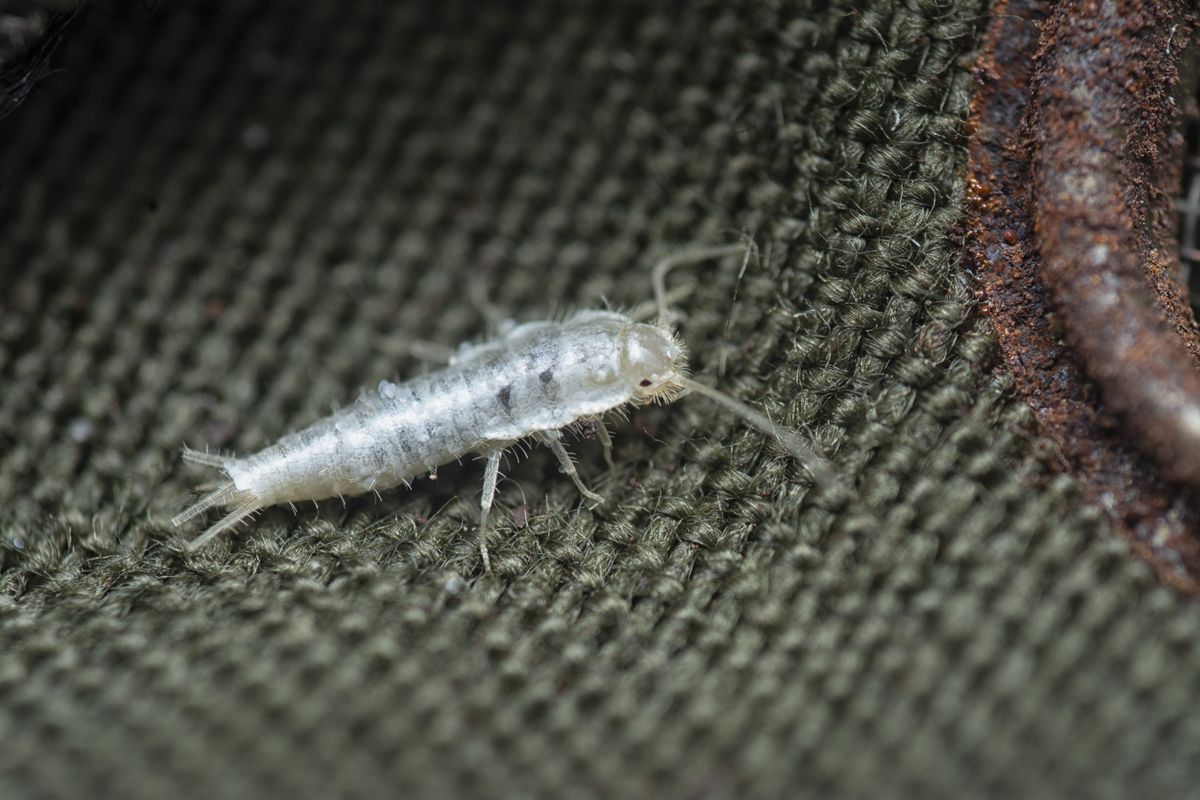
Most people who search for a silverfish exterminator have seen one insect, maybe two, and want to know whether that’s a sign of a bigger problem. It usually isn’t. Our silverfish species profile covers this in detail: these insects are strictly nocturnal, feed on starches and paper products, and prefer damp, dark spaces like bathrooms, basements, and closets. A single sighting at night in a humid room is normal pest pressure in most homes, not evidence of an infestation.
The nocturnal habit is actually useful here, because it turns “I think I might have a lot of silverfish” into something you can check. Silverfish avoid light and stay hidden during the day to escape predators and moisture loss. If you’re spotting them in daylight, not just at night when you flip on a bathroom light, that’s a concrete signal, not a guess. It typically means the population sheltering in that space has grown large enough that individuals are being pushed out to forage at times they’d normally avoid.
Two other signs matter more than a single sighting. The first is spread: silverfish turning up in the bathroom, a closet, and the basement points to a shared hidden source, not three unrelated damp spots. The second is time. Our step-by-step removal protocol, covering humidity control, decluttering, sealing entry points, and diatomaceous earth, typically needs a full 4 to 6 week cycle to show results in a heavier case, tracked with sticky monitoring traps. If you’ve run that full cycle and trap counts genuinely aren’t dropping, or they climb back up shortly after, that’s the point where paying for professional help starts to make sense.
Count before you call: Sticky traps cost a few dollars and turn a vague impression into an actual number. If you’re already running the DIY protocol’s 4-6 week cycle, log weekly trap counts in each room. That log tells you objectively whether the population is shrinking, and it’s useful information to hand a professional if you do end up calling one.
When a Silverfish Exterminator Isn’t Worth the Money
For most people who land on this page, the honest answer is: not yet. An occasional silverfish in a humid bathroom or under the kitchen sink is common in older homes and homes without great ventilation. Spending $200 or more on a service call for a problem a dehumidifier and some caulk would fix isn’t a good use of money.
Unless you’re seeing the specific signs above, daytime activity, multiple rooms, or no improvement after a complete DIY cycle, start with the DIY removal protocol. It addresses the same root causes a professional would target (moisture and food sources) at a fraction of the cost, and it works for the majority of light-to-moderate cases. Once the active population is under control, the prevention habits in how to repel silverfish are what keep it from coming back, and those cost nothing beyond a bit of ongoing maintenance.
Watch for pressure, not just price: A company pushing a same-day signing discount, quoting a fixed treatment schedule before it has inspected your home, or declining to name the product it plans to use is a reason to get a second quote, not a reason to decide faster. A real infestation doesn’t get meaningfully worse in the day or two it takes to compare estimates.
What a Professional Actually Does That DIY Can’t
When professional treatment is genuinely justified, it helps to know what you’re actually paying for, because it’s narrower than “spraying more insecticide.” The biggest advantage is physical access: silverfish sheltering in wall voids, subfloor areas, or attic insulation are simply out of reach for most homeowners. A licensed technician can open those voids and drill small access holes to get dust formulations exactly where the insects are hiding. That treatment isn’t instant, either. It can take one to two weeks to work, since the insects have to move through the void and physically contact the material before it does anything.
Diagnostic equipment is the second piece. Rather than guessing from how a room feels, a technician can check humidity behind a shower wall, under a slab, or inside a crawl space with a moisture meter, and confirm whether it’s sitting above roughly 50% relative humidity, the range silverfish favor rather than a fixed threshold they cross. That matters because a silverfish infestation is almost always a moisture problem first and an insect problem second. Treat the bugs without fixing the moisture, and they come right back.
The last piece is the product itself. Some insecticide formulations made for construction voids and heavy infestations are restricted-use: they aren’t sold over the counter, and only a licensed operator can legally apply them. Put those three things together, access, diagnostics, and product, and that’s genuinely what you’re paying for in an established infestation. For a single nighttime sighting, you’re not paying for any of it, because you don’t need it.
Typical Costs for Professional Silverfish Treatment
Pricing varies by region, home size, and how a company structures its service, but the figures below are typical ranges reported by home-services cost guides. Treat them as a ballpark for budgeting, not a quote for your specific home.
| Situation | What’s typically included | Typical cost range |
|---|---|---|
| First visit / inspection | Inspection plus an initial spot treatment | $150 – $400 |
| Standard treatment visit | Targeted spray or dust treatment for a moderate infestation | $200 – $700 |
| Recurring maintenance plan | Scheduled follow-up visits, often quarterly | $100 – $500 per visit |
| Severe, whole-structure case | Extensive wall-void treatment or fumigation | Up to $3,000 |
Most single-family homes with a moderate, localized infestation fall in the $200 to $400 range for an initial visit. Whole-home fumigation is rare for silverfish specifically and is usually reserved for severe, longstanding cases. Get a written, itemized estimate from at least two companies before agreeing to anything, and don’t accept a verbal number as final.
Questions to Ask Before You Hire Anyone
These questions won’t guarantee a good outcome, but they’re a fast way to separate a legitimate operator from a high-pressure sales visit. Ask them before you sign anything, and expect direct answers.
- Are you licensed to apply pesticides in this state, and can I see the license number?
- What product or method do you plan to use, and is it registered with the EPA for this application?
- Will treatment target wall voids and other hidden areas, or only visible surfaces?
- Is this a one-time treatment or a recurring contract, and what exactly does the guarantee cover?
- How many follow-up visits are included if the first treatment doesn’t fully resolve the problem?
A reputable operator will answer all five without hesitation and without steering you toward a bigger package than your inspection findings justify. This guide won’t point you to a specific company, but one that can’t answer these questions clearly isn’t worth hiring, regardless of price.
FAQ
Is it normal to see one silverfish every few weeks?
Yes. Occasional nighttime sightings in a bathroom, kitchen, or basement are common in homes with normal humidity fluctuations and don’t by themselves indicate an infestation. It becomes a bigger concern only if sightings become frequent, move to daylight hours, or spread to multiple rooms.
Will a professional exterminator get rid of silverfish in one visit?
Usually not completely. Treatments placed in wall voids and other hidden spaces can take one to two weeks to take effect, since silverfish have to move through the space and contact the material. Most professional plans include at least one follow-up visit to confirm the population has dropped.
Is DIY silverfish control as effective as hiring a professional?
For light-to-moderate cases, yes. DIY steps target the same root causes, moisture and food sources, that a professional would address. A professional becomes more valuable mainly when the population is sheltering in wall voids or other construction spaces a homeowner can’t reach.
Why do exterminator quotes for silverfish vary so much?
Price depends on the size of the treated area, how many rooms are affected, whether wall voids need to be opened, and whether the company is quoting a single visit or a recurring plan. Getting two or three written estimates is the most reliable way to see where a fair price falls for your situation.
Can I negotiate a lower price or decline a recurring contract?
Most companies will quote a single treatment without requiring a recurring plan, though the per-visit price is often higher than a bundled contract rate. It’s reasonable to ask for a one-time treatment first and revisit a maintenance plan only if the problem returns.
Sources
- Ohio State University Extension (Ohioline), Silverfish and Firebrats, Fact Sheet ENT-64.
- NC State Extension, Silverfish and Firebrats, Household Pests Publication Series.
- University of Nevada, Reno Extension, Questions to Ask Before Hiring a Pest Control Operator, Fact Sheet FS-10-07.