Short answer
Only Japanese cedar (Cryptomeria japonica) essential oil has documented repellent and insecticidal activity against silverfish in lab testing, and even that doesn’t translate directly to a cedar block sitting in a drawer. Mothballs, bay leaves, cloves, and citrus peel have little to no real evidence behind them.
- Cedar oil repelled 80% of silverfish at a measured lab dose and killed them within hours at a higher dose, but that happened inside a sealed chamber, not an open room.
- Mothballs only work in truly airtight containers; in an open closet or drawer, the fumes dissipate and do little.
- Bay leaves, cloves, and citrus have folk reputations but no controlled testing on silverfish, and none fix the humidity behind an infestation. See the full removal protocol for what actually works.
Search “repel silverfish naturally” and the same list comes up everywhere: cedar, mothballs, bay leaves, cloves, citrus peel. Most of it is folklore, not lab testing. One exception is Japanese cedar oil, actually studied against the silverfish species Lepisma saccharina. The honest answer sits between “it’s all nonsense” and “it all works”: the chemistry is often real, but the lab concentration and containment rarely exist in a bathroom cabinet or bookshelf. Here’s what the evidence actually shows for each repellent, and where it fits next to the protocol that resolves an infestation.
What Silverfish Actually Respond To
Silverfish are nocturnal insects that feed on starch and cellulose (book bindings, wallpaper paste, cardboard, cotton), not keratin, which is why people confuse them with clothes moths or carpet beetles. They gather where relative humidity climbs above 50-60%, typically bathrooms and basements, because their bodies lose water fast without it. That matters more than any scent on this page: a repellent can make one hiding spot smell unpleasant, but it can’t lower the humidity behind an infestation. Start with the guide to preventing silverfish in bathrooms before reaching for cedar chips or mothballs. Moisture control is what actually decides whether an infestation returns.
Japanese Cedar Oil: The One Repellent With Real Lab Data
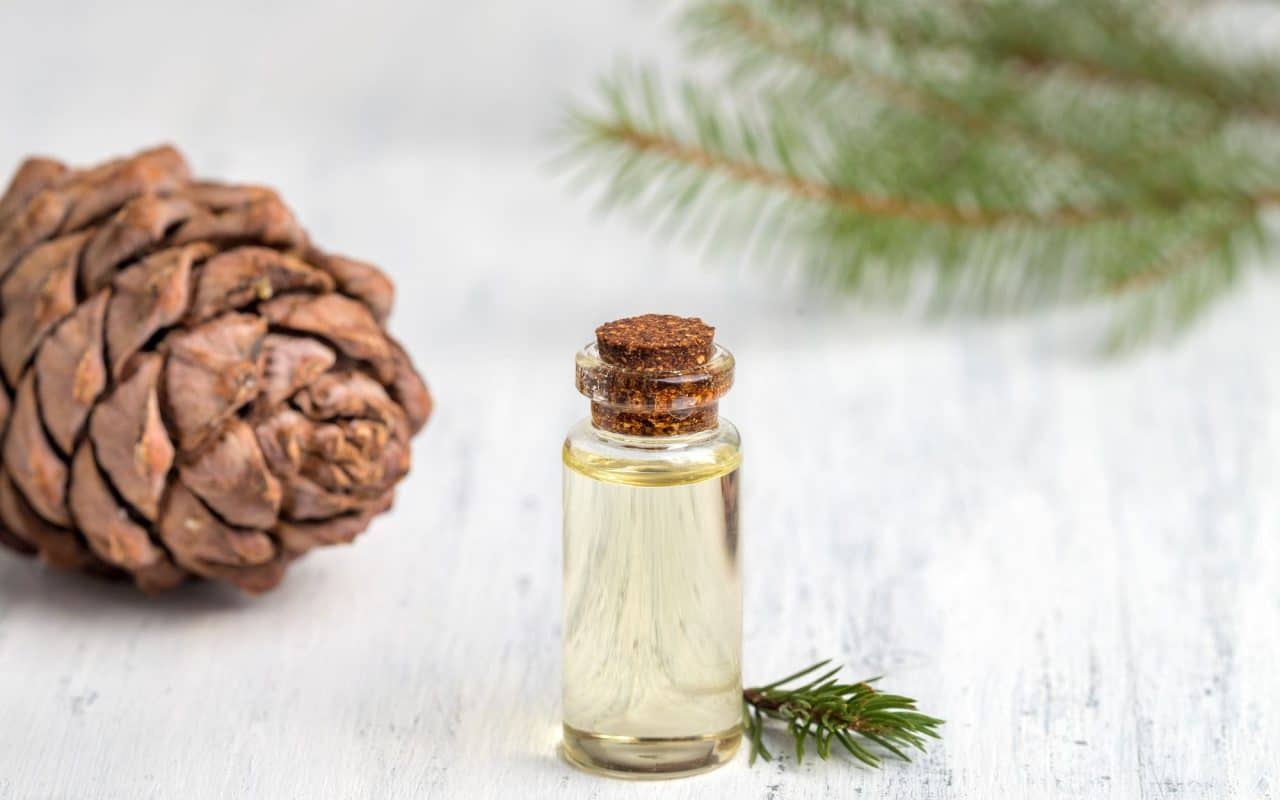
In 2006, researchers at National Taiwan University and National Chung-Hsing University published the first study testing a natural product as an anti-silverfish agent. They extracted essential oil from Japanese cedar (Cryptomeria japonica) and exposed Lepisma saccharina to it inside sealed test chambers. The results held up: the oil repelled 80% of silverfish at a dose of 0.01 mg per cubic centimeter of air, and at 0.16 mg/cm³, it killed exposed silverfish within 10 hours. Gas chromatography traced the active compounds to monoterpenes, including 3-carene, limonene, and 4-terpineol, plus heavier compounds like elemol that lingered on treated surfaces longer.
The catch: those doses were measured and held inside a sealed chamber built for the experiment. A cedar block sitting in an open drawer has no way to reach or hold that concentration in open air. The scent just diffuses and thins out. If cedar does anything in a real bathroom or closet, it’s likely a far weaker, shorter-range effect than the lab numbers suggest, and it says nothing about the humidity that sustains a silverfish population.
The study didn’t test cedar blocks, shavings, or commercial cedar sprays. It tested distilled leaf oil at a measured air concentration, full stop. Nobody has repeated the test with the diluted cedarwood oil sold for aromatherapy or the solid blocks sold for closets, so there’s no way to know how close a store product comes to the lab dose. Cedar has documented repellent chemistry, which is more than you can say for most items on this list, but nobody has shown that a household product delivers enough of it to matter.
Mothballs: The Same Sealed-Container Rule as Carpet Beetles
Mothballs work by slowly turning solid naphthalene into a gas. According to the National Pesticide Information Center (NPIC), a cooperative program between Oregon State University and the EPA, mothball labels direct users to place them inside a tightly closed container, which is what lets fumes build to a concentration strong enough to affect insects. In an open closet or drawer, the fumes simply dissipate, which is why NPIC lists non-airtight use as one of the most common mothball mistakes. Silverfish aren’t fabric pests, and mothballs aren’t labeled for them, so using mothballs against silverfish is off-label to start with. With any real airflow, they’re unlikely to do much beyond adding a smell — the same sealed-or-useless logic that applies to mothballs against carpet beetles.
Safety note: naphthalene vapor can cause headaches, nausea, and, in some people (particularly infants and those with a G6PD enzyme deficiency), hemolytic anemia. Mothballs aren’t a casual household fix. Using them outside their labeled container instructions is a safety problem, not just an effectiveness one.
Bay Leaves, Cloves, and Citrus Peel: Real Chemistry, No Silverfish Testing
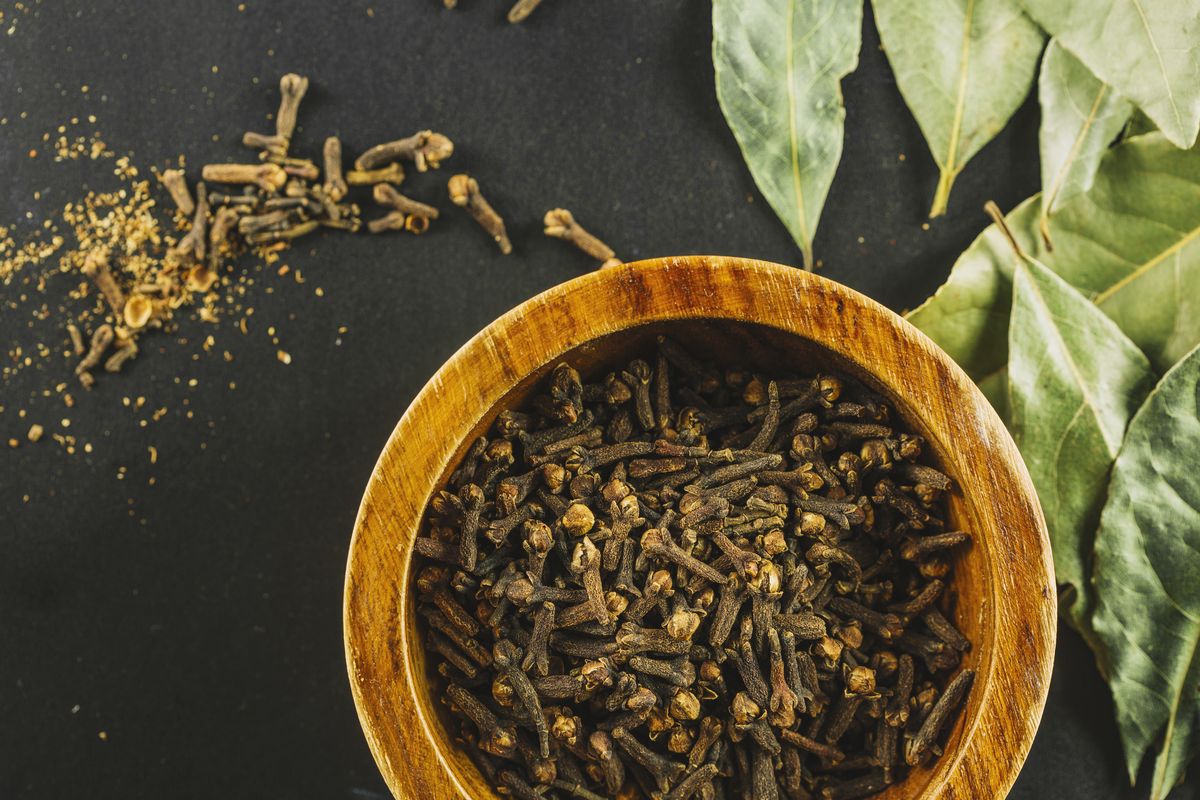
Cloves contain eugenol, a compound with real, peer-reviewed insecticidal and repellent activity against several stored-product pests, including flour beetles and grain weevils. Bay leaf (Laurus nobilis) essential oil has shown comparable effects against cigarette beetles in lab assays. Both are real findings, but neither has been tested against silverfish. No controlled study appears to test dried bay leaves or whole cloves, in drawer-sized quantities, against Lepisma saccharina. Going from “eugenol repels flour beetles in a lab” to “a bay leaf in a bookshelf repels silverfish” is a real leap, not a documented one.
Citrus peel has even less support. Gabrielle LaTora, an agricultural entomologist with University of Georgia Cooperative Extension, put it bluntly when asked whether citrus peels repel household pests: “There’s not much scientific evidence that they repel insect pests.” Citrus oils can repel some insects at high concentrations, but a fresh peel doesn’t contain nearly enough, and what little it releases evaporates within days. That wasn’t about silverfish specifically, but it applies just as well: a few orange peels in a cabinet aren’t pest control.
A more reliable alternative: for a physical barrier instead of a smell, diatomaceous earth works mechanically against silverfish. It damages the insect’s outer layer on contact, so it doesn’t need a sealed space or a measured air concentration to work.
What Repellents Cannot Do
Every repellent here treats the symptom, not the cause. Silverfish move toward moisture because their exoskeleton offers little protection against water loss, which is why bathrooms and basements are their favorite rooms. A cedar sachet, a sealed jar of mothballs, or a handful of bay leaves might make one drawer less inviting, but none of them changes a room’s humidity, seals a baseboard gap, or clears out the paper clutter silverfish feed on. Treating a repellent as the fix, instead of dealing with humidity first, is a common reason silverfish come back. The full silverfish removal protocol covers the moisture control, decluttering, and sealing steps that actually reduce a population. Scent repellents are, at best, a minor addition to that work, not a substitute for it.
FAQ
Does cedar actually repel silverfish?
Japanese cedar (Cryptomeria japonica) leaf oil repelled and killed silverfish in a 2006 lab study, so the chemistry is real. But the study used measured concentrations inside a sealed chamber, unlike a cedar block sitting in an open drawer. No published research shows household cedar products reach a similar concentration.
Do mothballs get rid of silverfish?
Only inside a truly airtight container, and even then they aren’t labeled for silverfish. In an open closet or room, naphthalene fumes dissipate instead of building up, so mothballs left out in the open mostly just add a strong smell and a health risk.
Do essential oils keep silverfish away?
Cedar leaf oil is the only one with documented repellent activity against silverfish specifically, and that evidence comes from lab conditions, not home use. Other essential oils marketed for silverfish haven’t been tested against this species in published research.
Are bay leaves or cloves effective against silverfish?
Both contain compounds — eugenol in cloves, related oils in bay leaf — with documented repellent activity against other stored-product insects, such as flour beetles. Neither has been tested against silverfish, so their use here is folklore rather than evidence.
What actually stops silverfish long-term?
Lowering indoor humidity, sealing entry points, decluttering paper and cardboard, and using diatomaceous earth or sticky traps as mechanical controls. Scent repellents can be a minor addition to that approach, but alone they don’t address why silverfish moved in.
Sources
- Wang, S.-Y., Lai, W.-C., Chu, F.-H., Lin, C.-T., Shen, S.-Y., and Chang, S.-T., Essential oil from the leaves of Cryptomeria japonica acts as a silverfish (Lepisma saccharina) repellent and insecticide, Journal of Wood Science, Vol. 52, No. 6, pp. 522-526 (2006), DOI: 10.1007/s10086-006-0806-3.
- National Pesticide Information Center (Oregon State University / U.S. EPA cooperative agreement), Regulation, Proper Uses, and Alternatives of Mothballs.
- University of Georgia Cooperative Extension, Gabrielle LaTora, as reported in Extension Agent Discusses Value of Citrus Peels as Natural Pest Repellants, UGA Today (2025).