
Short answer
Basement bugs are almost always a humidity problem, made worse by boxes that sit untouched for months at a time. Learning how to prevent bugs in basement storage starts with the moisture, not the boxes: get it under control, get storage off the floor, and check on things a few times a year, and most basement bug activity never gets started.
- Bring basement humidity down and hold it there: drying the space out is the control that works on silverfish, booklice, and springtails.
- Elevate stored boxes off the concrete floor, even with a basic shelf or pallet.
- Switch to sealed plastic bins for anything staying down there long-term.
- Walk through the storage area each season, and always after heavy rain.
Humidity is doing most of the damage
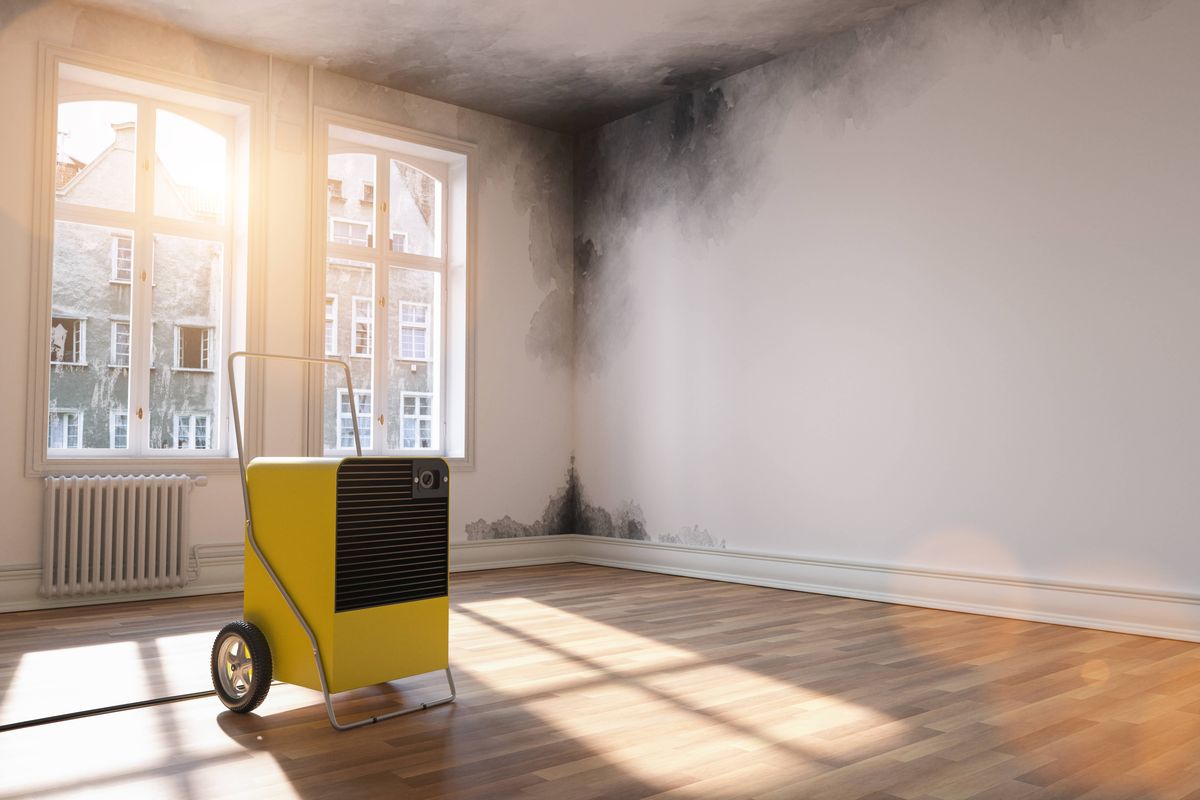
A basement has the same humidity problem as a bathroom, but it runs longer and quieter. A bathroom dries out between showers; a basement can stay damp for weeks after a rainy stretch, and nobody’s down there to notice. That steady moisture is exactly what silverfish, booklice, and springtails need, and concrete floors and block walls hold onto it more than most parts of the house do. If you haven’t dealt with basement moisture before, the moisture control guide covers the mechanics of bringing humidity down, and a dehumidifier sized correctly for the room is usually the fastest fix. This page picks up from there: what to do with the space once the air itself is under control.
Cheap fix: a basic hygrometer left on a shelf for a week tells you more than a walkthrough ever will. If it reads high most days, that’s the priority before storage habits matter much.
Storage habits that keep bugs out
Once the air is under control, what’s sitting on the floor matters just as much. Concrete wicks moisture up from the ground even when the room feels dry, so anything resting directly on it stays damper than the air around it. A simple shelf unit, or even a few pallets under the boxes, breaks that contact and makes a real difference. What the boxes are made of matters too: cardboard absorbs moisture, and for some pests the paper and glue are food, not just shelter. Sealed plastic bins solve both problems for anything you’re keeping longer than a season. It matters most for natural fiber items like wool sweaters, cotton linens, or old blankets, because a damp cardboard box does the same thing to them that a damp closet does, and it’s exactly the kind of undisturbed spot carpet beetles look for. For what that looks like once it’s already happened, see how to get rid of carpet beetles; the same conditions suit silverfish just as well, and how to get rid of silverfish covers that side of it.
Don’t skip the check: a box that hasn’t been opened in years is doing exactly what an untouched closet does, building a stable environment that bugs favor over anything you’re actively using.
A seasonal walk-through, especially after rain
Basements don’t announce problems the way kitchens do, so you have to go looking a few times a year. Walk the storage area after any heavy rain and check the boxes nearest the walls and floor for dampness, a musty smell, or a layer of dust that suggests nothing’s been touched in a long time. Moving boxes periodically, even just to inspect them, keeps them from becoming the kind of undisturbed environment pests prefer. If you keep finding the same spot damp after every rain, that’s worth paying attention to, but tracing where the water is actually getting in and fixing it is a bigger job than routine prevention covers. At that point you’re looking at an issue with the structure itself, not a storage habit, and it deserves to be treated as its own project rather than solved with a shelf or a bin.
FAQ
How often should I check basement storage for bugs?
A few times a year is enough for most homes, with one check right after any stretch of heavy rain. That’s when humidity spikes and when leaks are most likely to show up in boxes near the walls.
Do plastic bins really make that much difference over cardboard?
Yes, mainly because cardboard holds moisture and can be a food source itself, while a sealed bin keeps both moisture and pests out no matter how long it sits.
Is a damp spot in the basement always a bug problem?
Not on its own. Dampness is what invites bugs, but if the same spot keeps coming back damp after rain, the moisture source itself needs attention before storage changes will help much.