How to Get Rid of Bugs in House
Eight pillar protocols, timed and checkpointed: identify the species first, then follow the steps that actually work for it.
Short answer: how to get rid of bugs in house
There’s no single spray that clears every indoor bug, because they don’t share a weak point. How to get rid of bugs in house comes down to identifying the species first, then following the protocol built for it. Most run one to three weeks with a handful of checkpoints along the way, not a single treatment.
- Confirm the species first. Start here if you’re not sure yet, or go straight to pantry bugs if it came out of a kitchen cabinet.
- Work through that species’ protocol in order. Skipping the step where you track down the source is the most common reason it comes back.
- Finish with the prevention step. Removal without it isn’t really finished; it’s just a rerun waiting to happen.
Eight pillar protocols
Each one is timed and checkpointed, not a shopping list of products. All eight are live now.
Carpet beetles
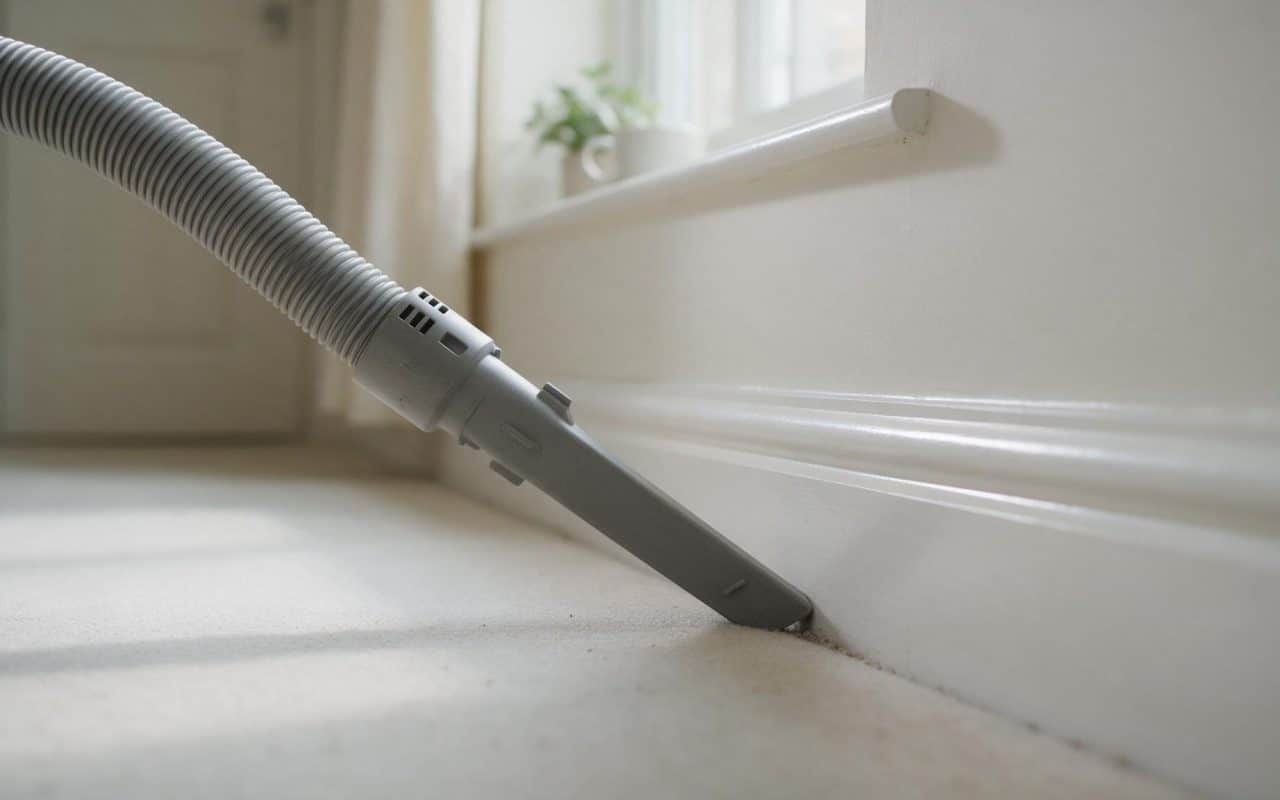
Larvae showing up in wool, rugs, and along the skirting boards. People often assume it’s a fabric problem before they realize it’s an insect one. Read the full protocol →
Silverfish
Damp bathrooms, old paper, book bindings, wallpaper paste. Silverfish turn up wherever starch and moisture meet. Read the full protocol →
Pantry moths
Webbing tangled through the flour or rice, and how much of the cupboard actually needs to go. Read the full protocol →
Clothes moths
Larvae feeding on wool and silk, and why a scented deterrent on the closet shelf won’t stop them. Read the full protocol →
Gnats & drain flies
Find the breeding site before you reach for anything else. The spray is the last step, not the first. Read the full protocol →
Flour weevils
What’s worth tossing, and what a few days in the freezer can actually save. Read the full protocol →
Fruit flies
The trap is a gauge, not a cure. Finding the fermenting residue the adults hatched in is the whole job. Read the full protocol →
Springtails
A moisture reading rather than an infestation. Find the wet spot, dry it out, and the numbers drop on their own. Read the full protocol →
Don’t skip identification: treating the wrong species is the single most common reason a problem comes back within a month. If you’re not sure what you’re looking at, confirm it first. It takes less time than a wasted treatment.
The pattern that actually works: every protocol on this site ends with a prevention step. Skip it and the population usually rebuilds within a season, not because the removal failed, but because it was never finished.
How long does a removal protocol usually take?
Most run one to three weeks from the first treatment to the final checkpoint. Cold-sensitive pests like carpet beetles and pantry moths tend to take longer, since freezing and laundering cycles need time to do their work.
Do I need to throw everything away?
Rarely all of it. Each protocol spells out what’s worth saving through freezing or laundering, and what isn’t. It comes down to the species and how far it’s already spread.