Short answer
Fruit flies are not visitors. They are breeding in something within a few feet of where you are standing, and the adults you swat today hatched a week ago in a spot you have not looked at. Finding it is the entire job.
- Separate where they eat from where they breed. A bowl of peaches is a feeding stop; the dried ring under the trash can lid is more often the nursery, and only one of the two ends it. The fast kitchen confirmation takes two minutes.
- Then run the inspection in order of probability rather than in order of what is easy to reach. Every stop has one thing that confirms it, and the table below has them.
- A vinegar trap is a gauge, not a cure. Use the cider vinegar trap to tell you whether adults are still emerging, and do not wait on it to end anything.
Where fruit flies come from, and why a clean kitchen gets them
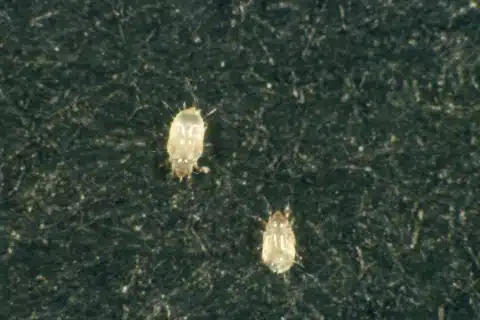
The insect people call a fruit fly is a vinegar fly, Drosophila spp., and the second name is the more useful one. Colorado State University’s fact sheet on small fruit flies describes the larvae feeding on yeasts in fermenting material, and that detail explains the rest of the article. An adult will eat anywhere sugar is exposed, but a female lays where fermentation has already started, because the maggots need the yeast rather than the fruit. The tan body of about 3 mm (1/8 in) and the red eyes most species carry are on the page that confirms it is a fruit fly and not a look-alike.
So there are two kinds of place in your kitchen, and telling them apart is the difference between fixing this once and fixing it three times. A feeding stop is any exposed sweet surface: a cut melon, a badly wiped spill, the rim of a juice glass. Flies land, feed and leave. A breeding site is older, wetter and usually out of sight, because it has to have been souring long enough for yeast to take hold. Which is why a spotless kitchen gets fruit flies. The counters are wiped and the fruit is fresh, but the residue in the disposal trap or the seam of the trash can lid has been fermenting for a week, and nobody wipes the underside of a lid. Throwing out the bananas removes the restaurant. It leaves the nursery.
The source hunt, in the order that finds it fastest
Purdue Extension’s small flies sheet points inspection at sugary residue in drains and disposals, and at unrinsed containers in the recycling. The stops below are ordered by how often they are the answer, so start at the top. The right-hand column matters more than the left: a fly resting somewhere proves nothing. Residue is the evidence.
| Where to look | What confirms it |
|---|---|
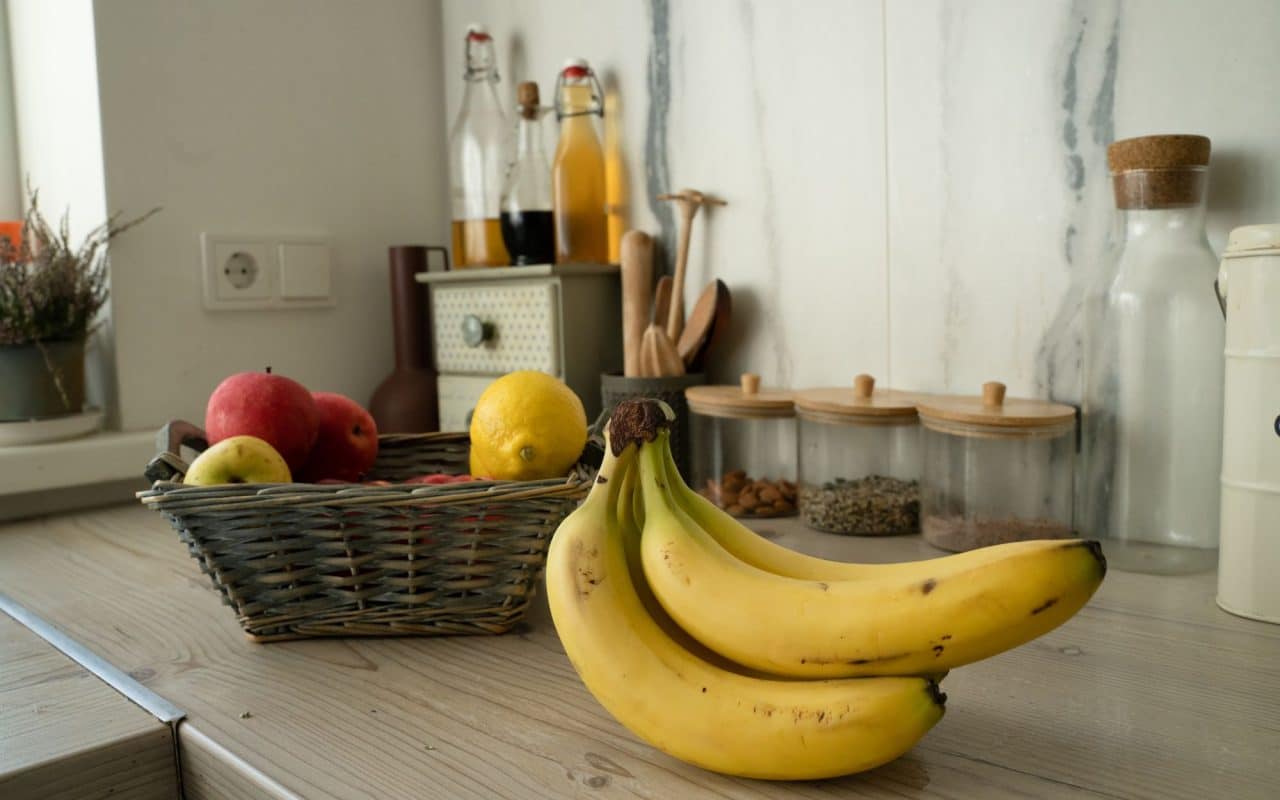
| Countertop fruit bowl | Split or bruised skin, or a piece stuck to the bowl with a wet patch under it. Lift each piece. |
| Underside of the trash can lid | A tacky brown film or dried ring in the rim seam. Raise the lid slowly and watch its inside face. |
| Recycling and unrinsed cans | A sugary film in the bottom of a tipped bottle or can, and a sour smell from the container, not the room. |
| Garbage disposal and the splash guard | Peel the rubber flaps back. Gray-brown paste on the hidden face is the classic find, invisible from above. |
| Sink drain and P-trap | Flies drifting up when you run water briefly and stop. Sugary buildup, not grease. |
| Mop head or dish towel left folded | A sour smell on unfolding, and a patch that never dried. |
| Saucer under a potted plant | Standing water with debris in it. Flies rising from the soil itself point elsewhere, and specks that hop off the wet rim are springtails. |
| Drip or spill under an appliance | A sticky floor under the refrigerator or behind the dishwasher toe kick. Slide a paper towel under it. |
Do the whole list once: two sites are common, and stopping at the first is why a kitchen goes quiet for three days and then starts again. The rest of that room is in the kitchen bug guide, and the dry-goods cabinet has its own shortlist in pantry bugs.
Is it actually the drain?
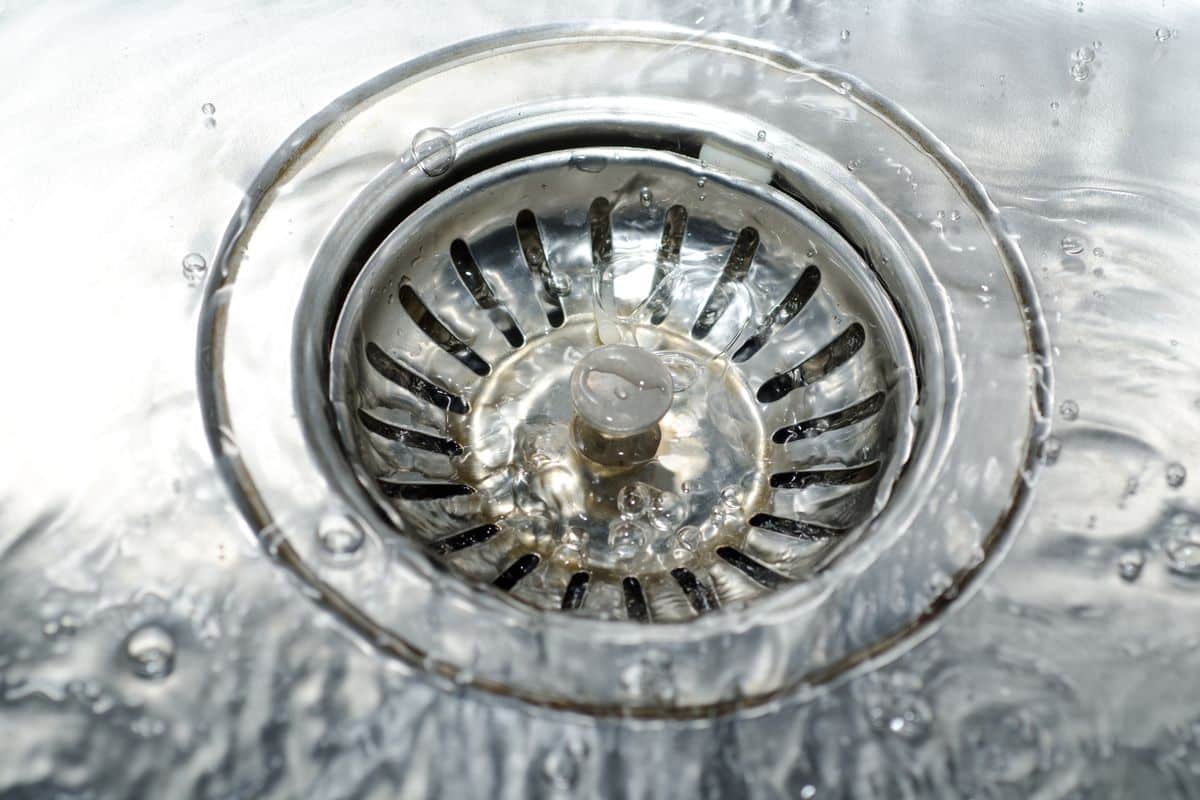
A fruit fly will use a drain, but only for the reason it uses anything else: sugar in the residue. A drain fly lives in the organic film coating the pipe whether or not anything sweet ever went down it, which is why UC IPM treats the two as separate problems. The test is what else is happening in the room: a drain that is one source among several belongs here, and a drain that is the only place flies appear does not. In that second case the job is mechanical, set out in scrubbing the film out of the pipe, with the fungus gnat and drain fly identification page to settle which insect you have.
Why the numbers explode in a week: the life cycle
From egg to adult, Drosophila melanogaster can finish a generation in 8 to 10 days at 85 °F (29 °C), by Colorado State’s account. Four stages pack into that window: egg, larva, pupa, adult. Only the last one flies. The first three sit in the residue, which is the whole reason the problem has a shape.
Read that as a calendar, not a fact, because it changes what the flies in front of you mean. The adults circling your fruit bowl tonight came out of something already fermenting a week ago. They report on last Tuesday. They say nothing about what you cleaned this morning, and that gap is where the frustration lives.
It also explains the word infestation, which sounds like an arrival and is really a compounding. Nothing marched in. One site has been running for a week or two, each generation laying back into the same material, so the visible population climbs while the material sits where it always was. Hence the relapse everyone describes: you throw out the fruit, the room goes quiet for a day, and on the third morning there are flies again. Nothing came back. The pupae already in the film under the lid finished on a clock you set before you started cleaning.
One caution: 8 to 10 days is a warm-conditions number, not a floor, and a cool kitchen stretches the cycle out. No extension sheet publishes a temperature-by-temperature table, so nothing here invents one. Judge by whether new adults keep appearing.
The order of operations
With residue found, the sequence matters more than the effort in any one step. Remove the source instead of tidying around it. Bag whatever was fermenting, close the bag, and put it in an outdoor trash can the same evening. Moving it to the can under the sink relocates the problem by four feet, since the eggs travel with it.
Then wash the surface it was fermenting on, the step people skip. The material leaves a film, and the film is habitable on its own. Hot soapy water and physical contact remove it, on the real surfaces: the underside of the lid, the inside walls of the can, both faces of the splash guard. Wiping the counter beside it is a different operation.
Set a trap now if you want one, and treat it as an instrument. Texas A&M AgriLife Extension states plainly in ENTO-050 that bait traps alone rarely provide adequate fly control, which is what makes one useful: it reads whether adults are still emerging. Building it is covered in the cider vinegar trap, and the drop of dish soap that decides whether it works.
Then wait. The adults already flying cannot be cleaned up, and swatting them changes your evening rather than the outcome. Recheck in a few days. Fresh numbers mean a second site, not a failed method, and usually the awkward one: behind the appliance, under the toe kick, in the garage recycling. The general removal guide for house bugs runs the same shape of protocol for other insects.
What “fast” actually gets you
The fast part is real, and worth being precise about. Finding the source, bagging it, scrubbing the surface and setting a trap is an hour of work, most of it on the splash guard. Do it tonight and production stops tonight.
What an hour cannot do is clear the air. Colorado State describes the end this way: once the breeding site is gone, numbers drop within days and the infestation finishes as the remaining adults die off over about two weeks. That is the only timing published for the tail end. Most other numbers on this subject are guesses dressed up, a habit the note on how sources are chosen here exists to avoid.
Two clocks. The fast one is yours and stops tonight; the slow one belongs to the flies already in the room.
Keeping them from coming back
Prevention is three habits, none of them about the flies. Rinse bottles, cans and takeout containers before they go into the recycling, because an unrinsed container is a fermentation chamber with a hole in the top. Take the trash out on a schedule instead of when it is full, so it leaves before the contents sour. And refrigerate fruit once it is ripe, which is the change that stops a counter restarting all of this in August. The house-wide prevention guide has the rest, and the seasonal prevention checklist is the version organized by month.
When it isn’t a fruit fly
Two things together rule it out: no red eyes, and it does not land on the fruit. An insect hovering low over potted soil, or sitting still on tile near a drain instead of converging on food, will not respond to the protocol above, because you would be clearing a site it never used. Gnat, fruit fly and drain fly, run side by side sorts all three at once, and the protocol for flies coming out of soil or a drain picks up from there. A beetle or a small moth out of a dry-goods cabinet is not a fly at all: pantry bugs sorts those six. If it matches none of the three, start from small black flying bugs that are not fruit flies or tiny brown flying bugs indoors.
FAQ
Why do fruit flies keep coming back after I threw out the fruit?
Because the fruit was where they ate, not where they hatched. Eggs and pupae sit in fermenting residue; the bowl is usually the cleanest thing in the sequence. Check the underside of the trash can lid and the hidden face of the splash guard first.
Where are they breeding if there is no fruit in the house at all?
Fruit is one option among many, and not the most common. Any sugary residue sitting long enough to ferment will do: film in a drain or disposal, an unrinsed bottle in the recycling, a spill under an appliance, a folded mop head. Purdue Extension points inspection at those for that reason.
How long does it take to get rid of fruit flies once the source is gone?
Colorado State puts it at about two weeks for the remaining adults to die off, with numbers dropping within days of the site being cleared. Nothing new hatches once the residue is gone, so you are watching a population run down, not a treatment take effect. Fresh numbers well past that mean a second site.
Do fruit flies come in from outside, or were they already here?
Both routes happen. Adults are small enough to pass a window screen and are pulled in by fermentation odors, and produce carried home can arrive with eggs on the skin. The distinction matters less than it looks: Colorado State and Purdue Extension both frame an indoor problem as starting from an indoor breeding site. Neither an open window nor a bag of plums becomes an infestation without somewhere to lay in.
Are fruit flies dangerous, or just annoying?
They do not bite and they do not sting. Colorado State notes that these flies move between decaying material and food and may carry bacteria onto it, which puts the problem in the sanitation column. That is where the published record stops, and so does this page.
Sources
- Colorado State University, Colorado Insect of Interest: Small Fruit Flies (Vinegar Flies).
- Purdue Extension, Department of Entomology, Stored Product Pests: Small Flies, publication E-233-W.
- Texas A&M AgriLife Extension Service, Indoor Flies and Their Control, publication ENTO-050.
- University of California Statewide Integrated Pest Management Program, Pest Notes: Moth or Drain Flies, UC ANR Publication 74167.