Best Pest Control Products for House Bugs
What actually works for which bug, and what we would not bother buying.
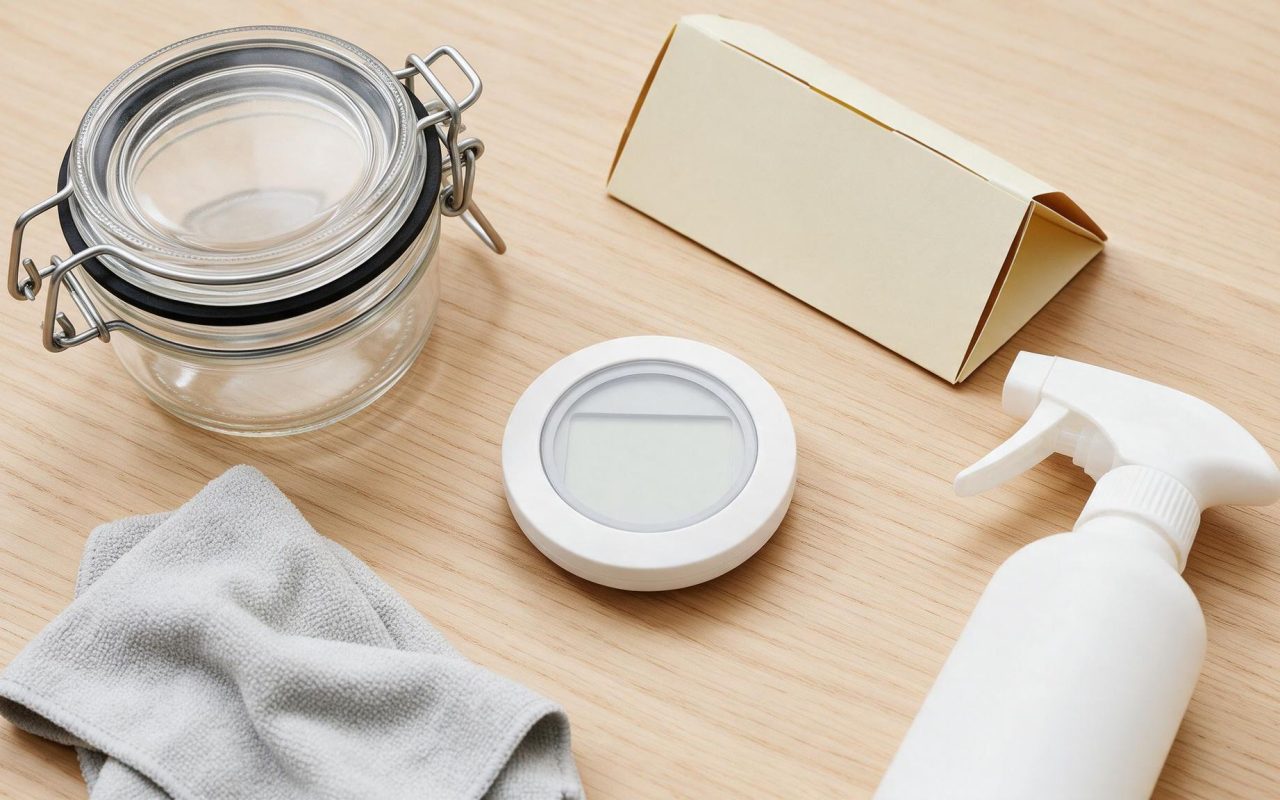
Short answer: best pest control products
There is no single best pest control product, because the right tool depends entirely on which bug you actually have. A pheromone trap catches male moths and does nothing for silverfish. A dehumidifier dries out a humidity-loving bug and does nothing for a moth already breeding in your closet. Buying a product before confirming the species is the most common way people waste money on this stuff.
- Confirm the species first at identify/ — everything below only makes sense once you know what you’re dealing with.
- Match the product category to the protocol for that species, not the other way around.
- Treat products as one part of a routine, not a standalone fix.
Why this page isn’t a top-5 list yet
Most “best pest control products” roundups are the same five items copy-pasted across a dozen sites, ranked with no testing behind them and no question asked about what bug you’re actually fighting. That’s backwards. A product only matters relative to the removal protocol for a specific species — a trap, a spray, a container, or a dehumidifier is a tool inside a plan, not a plan by itself. So instead of faking five reviews in one afternoon, we’re building this section out one category at a time, and being honest that it isn’t finished.
All five comparison pages are live now. Here’s what each one covers and which of the site’s existing protocols already leans on that category.
- Pheromone traps: these use a synthetic version of a female moth’s mating scent to catch males and break the breeding cycle. They only work on moths that respond to that specific pheromone, which is why they’re central to the pantry moth and clothes moth protocols and useless against anything that isn’t a moth. See how they work and which type to buy →
- Sprays and residuals: this is the category we lean on least across our own protocols, and we’d rather say that plainly than pad out a page pretending otherwise. The carpet beetle protocol, for example, relies on vacuuming and freezing infested items, not spraying them. See when a spray actually helps →
- Airtight storage: sealed containers stop pantry pests from spreading between packages and stop moths from laying eggs in stored fabric. It’s a load-bearing part of both the pantry moth and flour weevil protocols. Compare container types →
- Dehumidifiers: these matter for species that need moisture to survive, which is why the silverfish protocol treats humidity control as a core step rather than an optional extra. Compare compressor vs. desiccant →
- How we test: a methodology page laying out how we’ll compare products within a category head to head, under the same conditions, before any of them get ranked against each other. No paid placement, no product goes on a comparison page until it’s actually been used. Read the full policy →
What’s covered so far
All five categories above are live, starting with the ones tied to the species that get searched the most and ending with the testing methodology that governs all of them. Each page covers a single category in depth rather than trying to rank every product against every bug on one page, and none of them name a specific product yet, since none have gone through the testing process described on the methodology page.
Most common wasted purchase: buying a product before confirming the species. A trap, spray, or dehumidifier bought for the wrong bug does nothing except sit in a closet. Check identify/ first, every time.
Our take: for pantry and closet pests, an airtight container is usually the cheaper and more permanent fix than a repeat spray purchase. You buy it once, it keeps working for years, and it doesn’t rely on you remembering to reapply anything.
FAQ
Do pheromone traps actually work?
For moths, yes, but only as a monitoring and breeding-cycle tool, not a full fix on their own. They catch males and cut down reproduction, which helps a lot alongside cleaning out infested items and sealing food storage. They do nothing for beetles, silverfish, or gnats, since those species don’t respond to the pheromone the trap releases.
Is it worth buying a dehumidifier just for bugs?
If you have a species that depends on high humidity, like silverfish, and your home consistently sits above roughly 50% relative humidity, yes — it addresses the actual condition drawing them in rather than just killing what you can see. If your issue is a moth in a closet or beetles in stored wool, a dehumidifier won’t touch the problem.