Short answer: how to prevent pantry moths
Pantry moths and flour weevils both get into a kitchen through packaging that isn’t sealed. The fix isn’t a one-time cleanup, it’s a routine: seal dry goods on arrival, use older stock first, check new groceries before they go on the shelf, and inspect the whole pantry a few times a year.
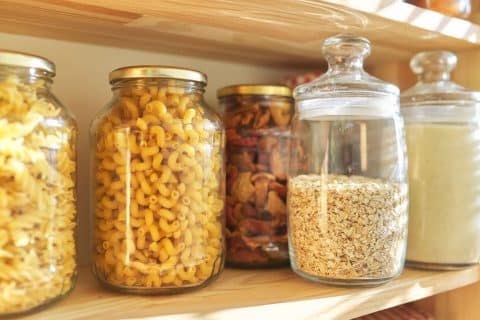
- Move flour, grain, pasta, dried fruit, nuts, and pet food or birdseed into a sealed container as soon as they come home from the store.
- Use the oldest bag or box on the shelf before opening a new one.
- Look over new packaging for webbing, small holes, or tiny moving specks before it goes into the pantry.
- Pull everything off the shelves roughly every three months to wipe them down and check corners and liners.
- Treat scent-based hanging strips as a signal worth noticing, not a solution: they don’t touch the food source.
Seal food the moment it comes home
The single habit that prevents most kitchen infestations is timing. Switching to a sealed container after noticing webbing, or a bag of flour that smells off, is too late for that batch. The point is to move flour, grain, pasta, dried fruit, nuts, and pet food or birdseed into something sealed the moment groceries are put away, before the bag sits open on a shelf for even a week. Which container actually holds a seal, and which ones look sealed but aren’t, is covered in the site’s own comparison of airtight containers for pantry bugs.
Use older stock before newer
First in, first out sounds like a warehouse term, but it works the same way in a kitchen cabinet. New bags go behind or under older ones, not in front. A container of flour pushed to the back for eight months is exactly the kind of stock that goes unnoticed long enough for a small problem to become a bigger one. Rotating stock isn’t about food safety so much as visibility: nothing sits still long enough to hide.
Check groceries before they hit the shelf
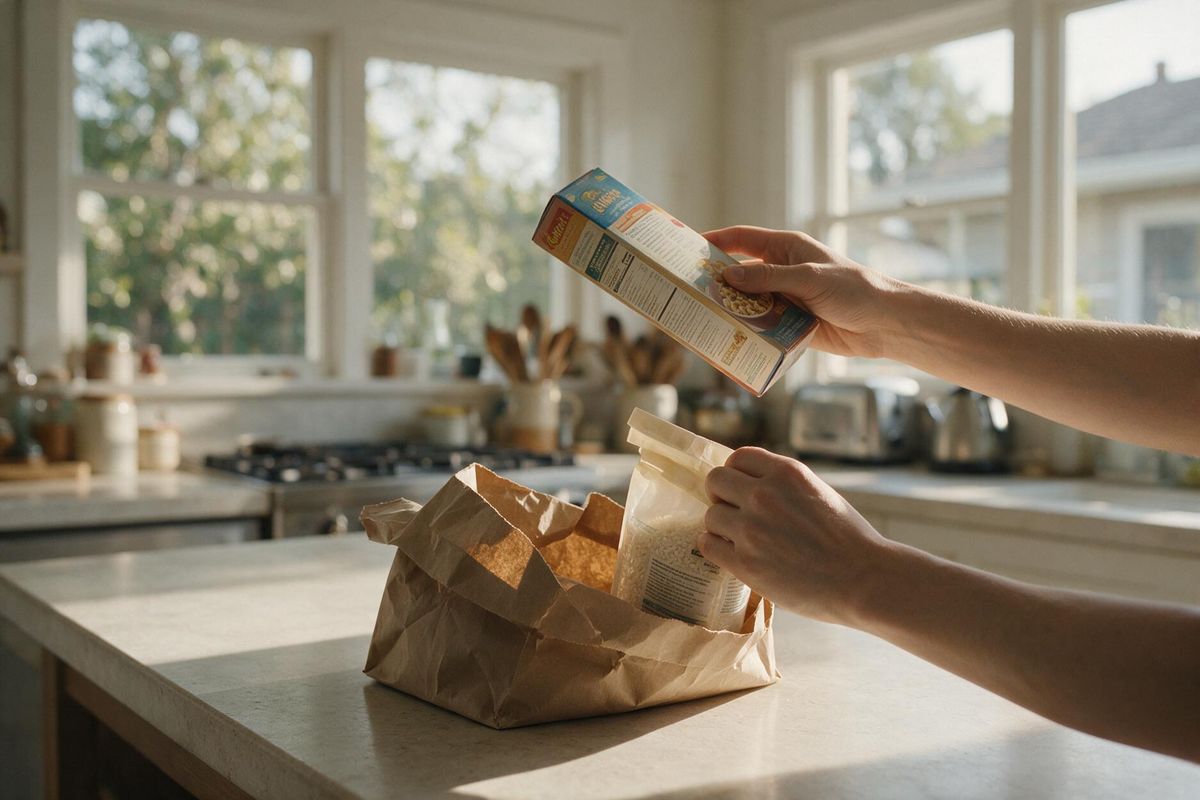
Before a new bag of flour or box of pasta goes into the pantry, it’s worth thirty seconds to look it over. Webbing across the top of a bag, small holes chewed through cardboard or plastic, or tiny specks moving inside the packaging are all reasons to set that item aside rather than shelve it next to everything else. Catching one bad bag at the door is far easier than dealing with it after it’s spent weeks sitting near the rest of the stock.
Seasonal check: once every three months or so, pull everything off the shelves, wipe them down, and check the back corners and under any shelf liners. This is where early activity tends to hide, in spots nobody looks at during a normal week of cooking.
Scent deterrents: cedar blocks, sachets, and similar products change what a pantry smells like. They don’t touch the flour, grain, or pet food sitting in a cabinet, which is where the actual problem lives. Treat them as an extra step at most, not the plan.
One set of habits, two pests
The six pantry bugs are worth a look before you start, because pantry moths and flour weevils end up in the same kitchens for the same reason: dry goods left in original packaging long enough for either one to get established. The habits above (sealed containers, rotation, a quick look at new groceries, and a periodic deep check) work against both, which is why this is a whole-room routine rather than a single-species fix. For dealing with an active problem in either case, see the separate guides on pantry moths and flour weevils.
FAQ
Do flour weevils need a different routine than pantry moths?
No. Both get into a kitchen through the same unsealed packaging, so the same habits, sealed storage, rotation, and a periodic deep check, work for either one.
How often should the whole pantry actually get checked?
Roughly every three months is enough for most households. A pantry shelf that’s rarely opened, like backup food storage, is worth checking a little more often since problems there go unnoticed longer.
Does buying in bulk make this harder to manage?
It makes the sealed-container step more important, not harder. Larger bags spend more time in a cabinet before they’re used up, so they need a secure container from the day they arrive rather than partway through.