Short answer
Ruling out fruit flies is actually the fastest way to answer this one. Fruit flies have bright red eyes and land directly on fruit or other food; if what you’re seeing doesn’t do either of those things, you’re almost certainly looking at a fungus gnat or a drain fly instead, the two insects most often lumped together under “gnats.”
- Check the eyes and the behavior together: most fruit flies have bright red eyes, and they land directly on fruit or food. If neither of those fits, a fruit fly is unlikely.
- Check where you’re finding it: weak, low flight near a houseplant points to a fungus gnat, while sitting still on tile near a sink or floor drain points to a drain fly.
- Read the full gnats in house: fungus gnats or drain flies guide for the rest of the details and the fix for each.
Which bug is it?
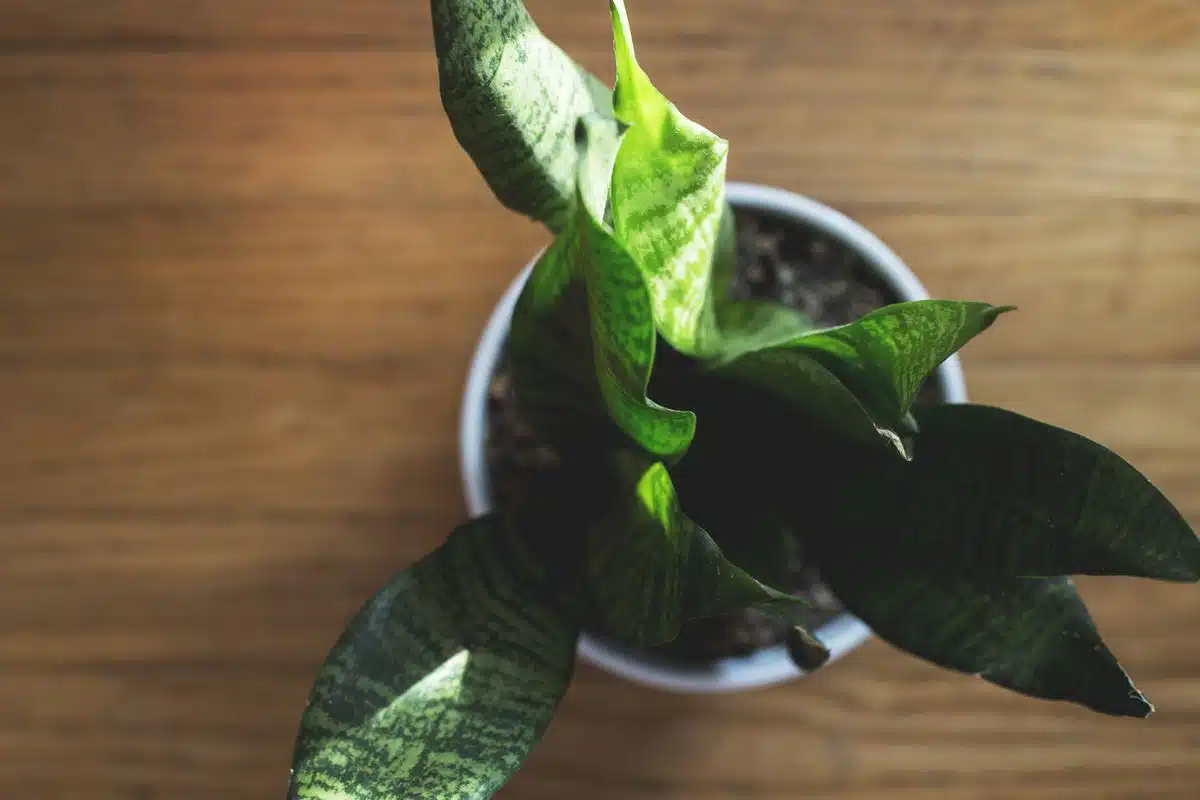
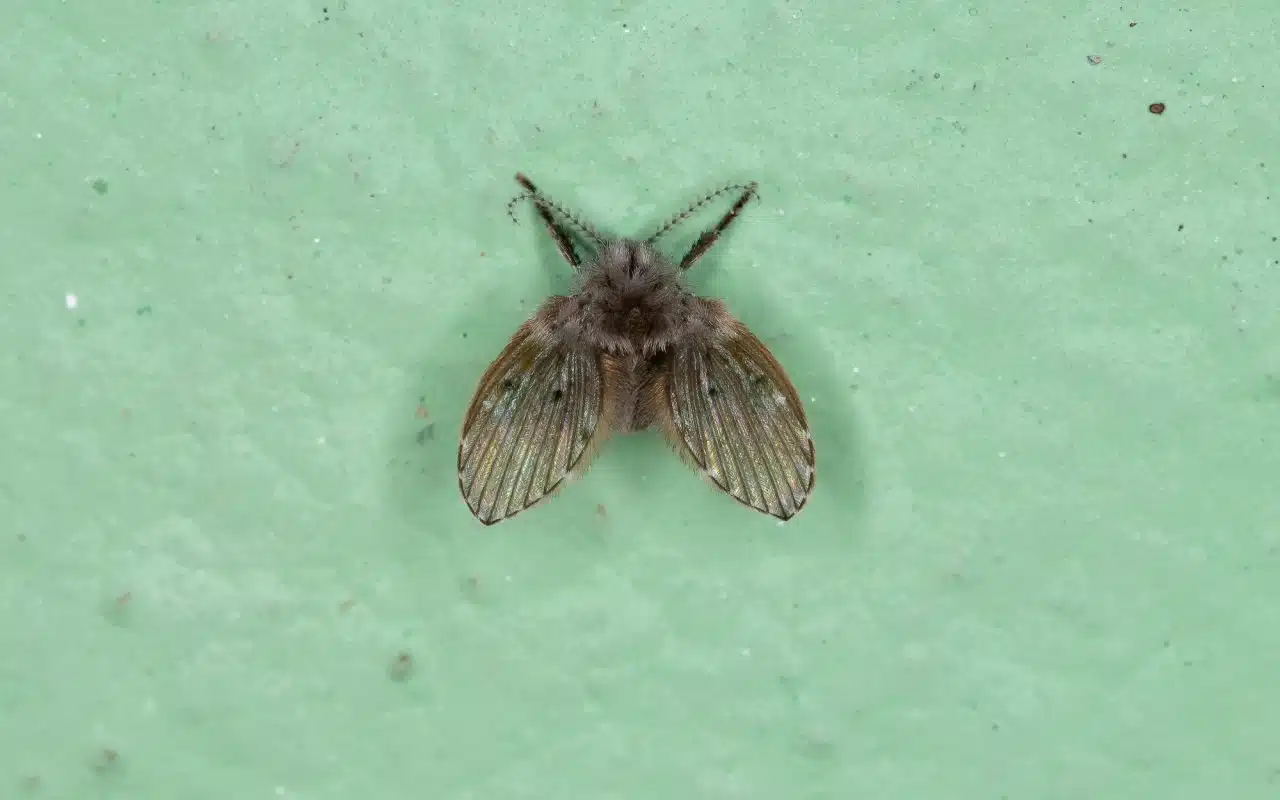
Once fruit flies are ruled out, small black flying bugs almost always come down to a fungus gnat or a drain fly. Fungus gnats are slim, dark, and mosquito-shaped, and they hover low near potted plants; drain flies are shorter and fuzzy and sit still on tile near a sink, tub, or floor drain. Telling a gnat, a fruit fly, and a drain fly apart runs all three side by side, including the red-eye check that rules the fruit fly in or out.
For the breeding site behind each one and how to clear it, the gnats in house: fungus gnats or drain flies guide covers both. If neither description matches, the identification hub sorts sightings by color, size, and room, and the fruit fly page is there too, in case those red eyes turn out to be easier to spot than you first thought. If they are, the fruit fly removal protocol picks up from there.
FAQ
How do I know if it’s a fungus gnat or a drain fly?
Location is the fastest way to sort them out. Fungus gnats show up near potted plants, hovering low and weakly. Drain flies show up near a sink, tub, or floor drain, usually sitting still on the tile rather than flying around the room. The full guide breaks down the rest of the differences and how to find the breeding site for each.
What if it isn’t near plants, drains, or fruit at all?
Then it’s worth double-checking the basics before assuming it’s one of these three. The identification hub sorts sightings by color, size, and the room where you’re seeing them, which usually narrows things down in under a minute.