Short answer
Diatomaceous earth kills silverfish by scratching and absorbing the waxy layer that keeps their exoskeleton watertight, so they die of dehydration over several days. It’s a physical action, not a poison, and it only works where the dust stays completely dry.
- Use food-grade diatomaceous earth only, in a thin layer inside cracks, wall voids, and behind baseboards, per our full silverfish removal protocol. Never use it on open floor or tile, and never use pool-grade material indoors.
- A barely visible dusting beats a thick pile: more product isn’t more kill, and a heavy layer can be slippery enough for an insect to avoid.
- Expect a gradual decline over days, not an instant kill, and reapply once the dust looks damp, caked, or clumped, which happens fast in bathrooms and basements.
Step five of our full silverfish removal protocol covers diatomaceous earth in two sentences: apply it thin, keep it dry, reapply when it clumps. That’s enough for one step in a longer sequence, but it skips why it works, why the grade you buy matters, and why the rooms silverfish love most are the rooms where it struggles hardest. This article fills in that detail.
How Diatomaceous Earth Actually Kills Silverfish
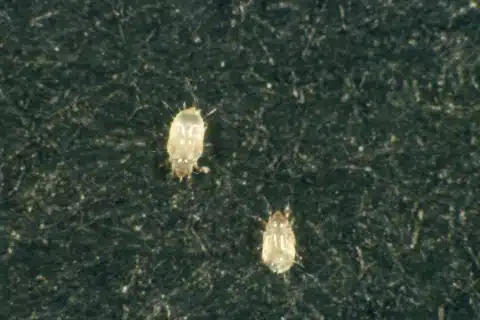
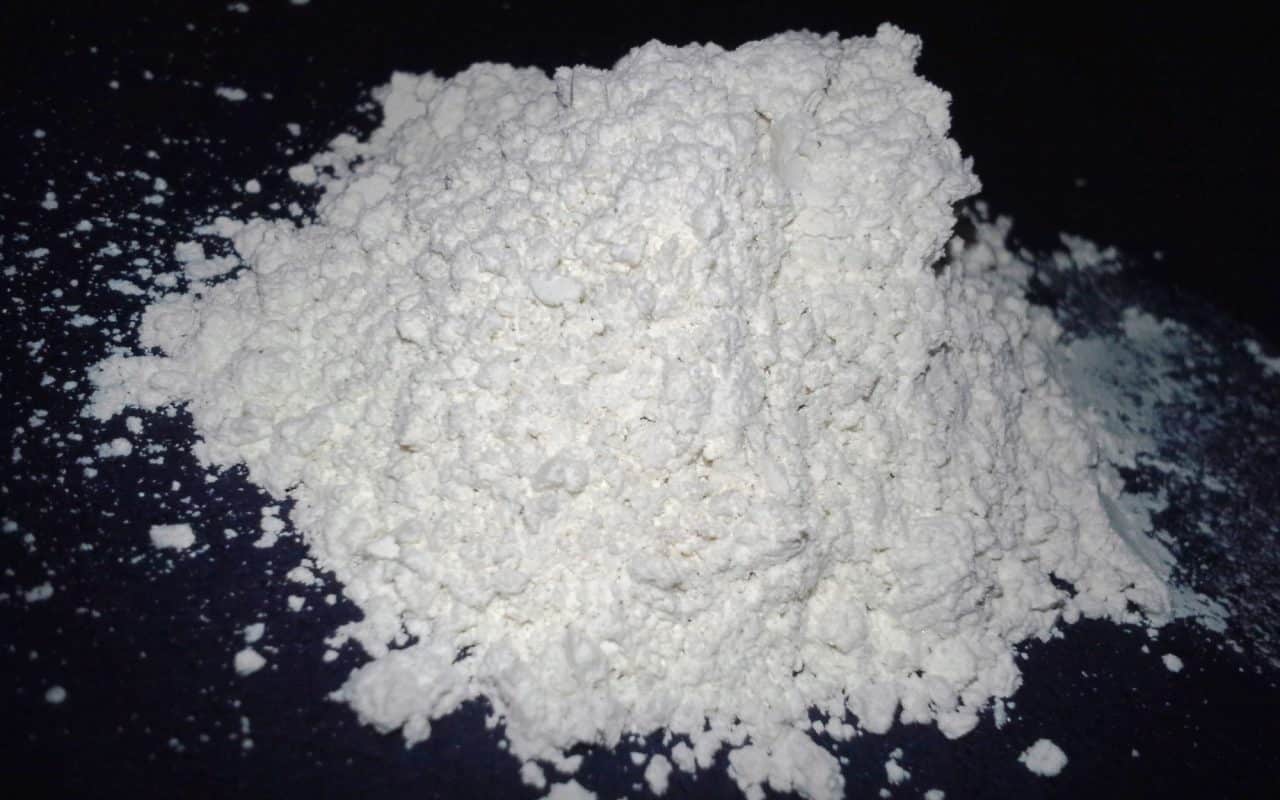
Diatomaceous earth is milled from fossilized diatom shells, tiny algae with skeletons made of silica. The particles are jagged and porous, more like ground glass than powder. That texture is the whole mechanism. Like most insects, silverfish are protected from drying out by a thin, waxy layer on their exoskeleton called the epicuticle. Crawling through the dust, a silverfish gets that layer abraded by sharp particles while the powder absorbs the oils and fats that make it up. Once the waterproofing fails, it loses water faster than it can replace it and dies of dehydration over the following days.
This is worth being precise about: diatomaceous earth is not a poison, and a silverfish does not need to eat it for the dust to work. That’s different from boric acid, another common household dust, which acts mainly as a stomach poison once ingested, typically while an insect grooms dust off its own body. Diatomaceous earth skips that step; contact alone is enough. A silverfish walking across a dusted crack picks up enough on its legs to start losing water, whether or not any reaches its mouth. That’s also why placement matters as much as the product itself.
Food-Grade vs. Pool-Grade: The Distinction That Actually Matters
“Diatomaceous earth” describes a raw material, not one product, and processing changes what’s safe to do with it. Food-grade diatomaceous earth is air-dried or lightly processed, leaving its silica mostly amorphous. Pool-grade diatomaceous earth, also sold as filter-grade, is calcined, heated to a high temperature so it filters pool water more efficiently. That heat converts a meaningful share of its silica into the crystalline form, a different hazard entirely: repeated inhalation is linked to silicosis, a serious and irreversible lung disease, and the crystalline silica calcining produces is treated as a carcinogen when airborne. None of that describes the amorphous silica in food-grade material at typical household exposure, which is why the two aren’t interchangeable.
| Diatomaceous earth grade | Food-grade | Pool-grade / filter-grade |
|---|---|---|
| Processing | Air-dried, minimal heat | Calcined at high heat for filtration |
| Silica form | Mostly amorphous | High crystalline content (cristobalite) |
| Inhalation risk | Can still irritate airways in quantity | Linked to silicosis with repeated exposure |
| Use indoors on silverfish? | Yes, in cracks and voids only | Never |
Never use pool-filter diatomaceous earth indoors: it’s made for swimming pool filtration, not pest control, and its crystalline silica content is a respiratory hazard if the dust becomes airborne. If a bag isn’t labeled for pest control or doesn’t say “food grade,” it doesn’t belong in your home.
Food-grade doesn’t mean risk-free to breathe. Even the amorphous form is a fine mineral dust that can irritate the nose, throat, and eyes in a cloud of it. Apply it low and slow rather than puffing a visible cloud, wear a dust mask and eye protection, and keep children and pets out of the room until the dust has settled.
The Humidity Paradox: Why the Best-Known Tool Fights Its Own Environment
Here’s the tension nobody puts on the label. Diatomaceous earth only works while it’s dry. Moisture makes the particles clump into a paste that can no longer abrade or absorb anything, so it stops working the moment it gets damp. Silverfish, meanwhile, are a humidity-loving species almost by definition, drawn to bathrooms, basements, and laundry rooms partly by the cellulose and starch they feed on and partly by the moisture itself. The tool most recommended for this insect is undercut by the exact rooms where it’s most likely to be a problem.
The honest resolution is narrowing what you expect the dust to do, not finding a workaround. It cannot treat a damp room; it can only work inside the driest micro-spots left inside one, a void or crack that never takes direct splash or condensation, even while the room around it runs humid. Our protocol targets relative humidity under 50%, and that number matters here too: the closer a room gets to it, the better diatomaceous earth performs in every gap inside it. If a bathroom or basement won’t hold a reading near 50%, the fix is mechanical dehumidification, not a heavier hand with the duster. See our guide to choosing a dehumidifier for a damp basement. Diatomaceous earth supplements humidity control; it doesn’t replace it.
Where to Apply It — and Where Not To
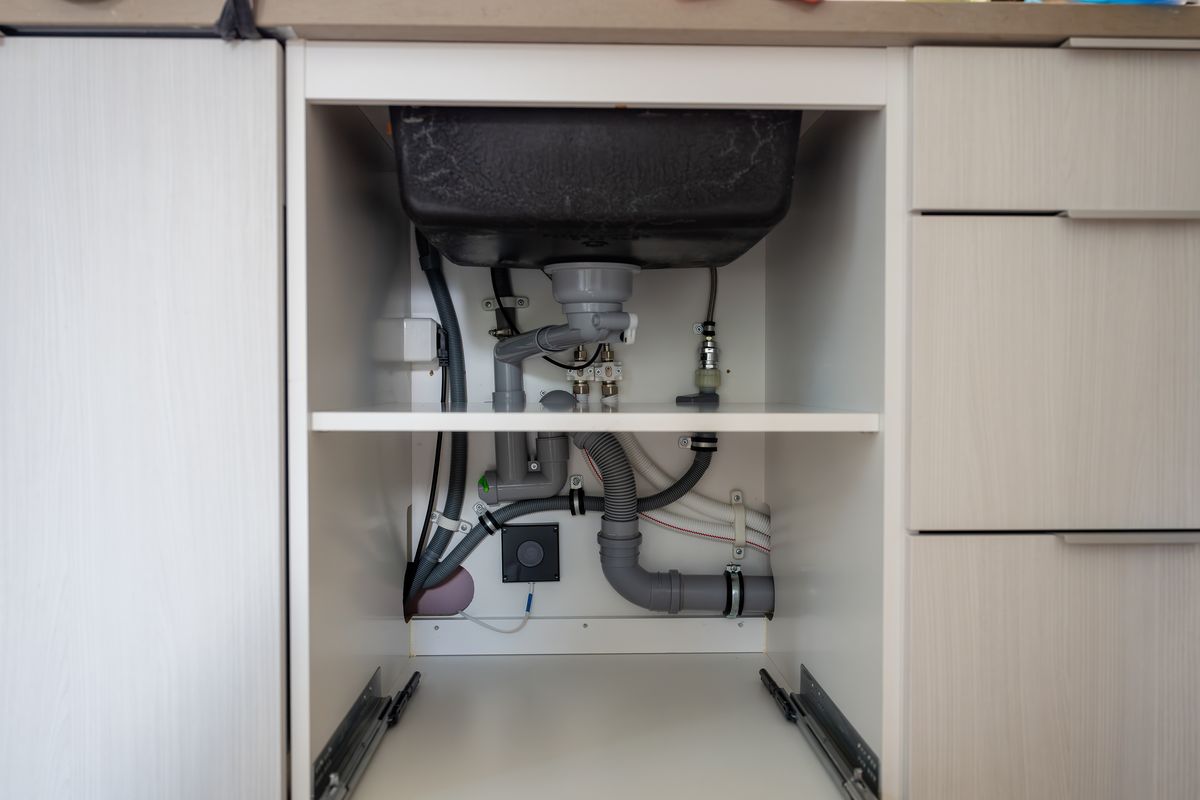
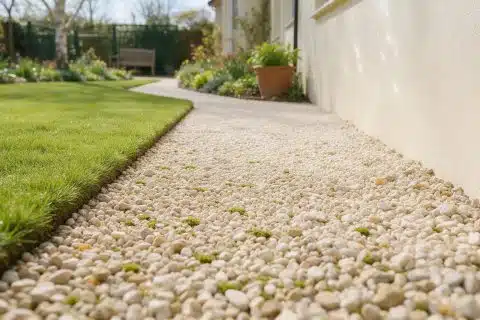
Diatomaceous earth is a crack-and-crevice tool, not a surface treatment. It needs an insect to walk directly through it, so it belongs in tight, out-of-sight spaces, not spread across any floor or counter where you, or a pet, would notice it.
| Good spots for a thin application | Avoid |
|---|---|
| Cracks behind baseboards | Open bathroom or basement floor tile |
| Wall voids and outlet gaps | Shower stalls, tub surrounds, sink splash zones |
| Under appliances and cabinets (dry, undisturbed) | Carpet or rugs, especially in damp rooms |
| Closet and storage-box corners that stay dry | Any surface pets or children put their hands on |
How Much to Use: Thin Beats Thick
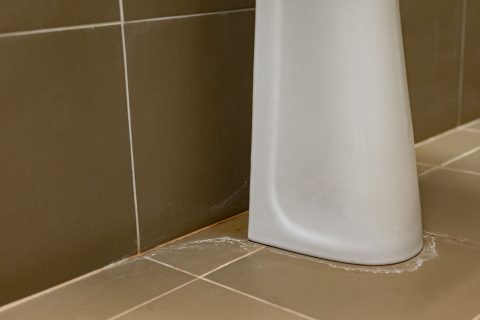
More diatomaceous earth is not more effective. Aim for a layer thin enough that you can still see the surface underneath it, closer to a film of flour dust than a snowdrift. A thick pile gets two things wrong: it can turn slippery enough that an insect walks around it rather than through it, and it wastes product without adding killing power once the layer is thicker than a single particle deep. The mechanism needs contact, not volume.
Use a bulb duster or a narrow-tipped squeeze bottle: puffing product straight from the bag or a wide-mouth container almost always overdoses the spot. Either tool gives you the control to lay down a barely visible dusting instead of a pile.
How Long It Takes to Work
Diatomaceous earth is not a knockdown product. A contact spray kills within minutes, delivering a fast-acting active ingredient to an insect’s nervous system; diatomaceous earth relies on gradual, cumulative water loss instead, so a silverfish that picks up dust today doesn’t drop dead today. Death follows over days, as the cuticle keeps leaking moisture it can no longer retain. That slower timeline is also why dry, undisturbed placement matters: the dust must survive days of exposure without being vacuumed, wiped away, or dampened, or it never accumulates enough contact time to work.
Where This Fits in a Broader Plan
Diatomaceous earth is one tool inside a larger sequence, not a stand-alone fix. It targets silverfish already inside your walls and traveling through specific cracks; it does nothing about the moisture, clutter, or food sources that drew them in, and nothing to stop new insects entering from outside. For the exclusion and sanitation side of the problem, see our guide on how to repel silverfish, the longer-term complement to the dust described here. If you’re weighing this against other products by category rather than by pest, our product notes cover the same ground for the other insects on this site.
FAQ
Does diatomaceous earth kill silverfish instantly?
No. It causes gradual dehydration over days, not an on-contact kill. For an immediate visible knockdown, a contact spray works faster; diatomaceous earth suits ongoing, low-maintenance control in cracks and voids instead.
Is food-grade diatomaceous earth safe to breathe?
Safer than pool-grade, but not risk-free. Fine mineral dust can irritate the nose, throat, and eyes in quantity, so wear a dust mask while applying it and let dust settle before re-entering the room.
Can I use pool-filter diatomaceous earth instead of food-grade?
No. Pool-grade diatomaceous earth is calcined during manufacturing, converting much of its silica into the crystalline form, which is linked to serious respiratory disease when inhaled repeatedly. Pool-grade products aren’t labeled or intended for indoor pest control.
Why did the diatomaceous earth in my bathroom stop working?
It almost certainly got damp. Moisture makes the particles clump together, which stops them from abrading or absorbing anything. Check dust in humid rooms more often than in a dry closet, and reapply as soon as it looks caked or damp.
Is diatomaceous earth better than boric acid for silverfish?
Neither is strictly better; they work differently. Diatomaceous earth acts on contact through physical abrasion and doesn’t need to be eaten; boric acid acts mainly as a stomach poison once ingested during grooming. Both are humidity-sensitive dusts meant for cracks and voids, not open surfaces.
Sources
- National Pesticide Information Center (Oregon State University / U.S. EPA cooperative agreement), Diatomaceous Earth Fact Sheet.
- Penn State Extension, Bristletails (Silverfish and Firebrats).
- University of California Statewide Integrated Pest Management Program, Pest Notes: Silverfish and Firebrats, UC ANR Publication 7475.
- Cornell University Integrated Pest Management Program, Desiccant Dusts for the Control of Bed Bugs.