Short answer
Cedar and mothballs are vapor products. A vapor only builds to a useful concentration inside a container that seals, and a cedar ball in an open closet never gets there. These aren’t myths; the condition they run on is never met.
- Cedar oil kills small clothes moth larvae but not large ones, and its vapor fades within about a year.
- Mothballs are EPA-registered pesticides whose label calls for a closed, airtight container. Open-closet use is off-label.
- No repellent rescues an infested sweater. They protect fabric that was clean going in.
The condition almost nobody meets
Cedar and mothballs are chemically unrelated but work alike: a solid gives off a vapor that has to build to a concentration high enough for an insect to care. Cedar reaches it only inside a tightly sealed container. Mothball labels say the same in stronger language, because a pesticide label is a legal document.
Open air defeats both. A closet has a door that opens, a gap underneath, and air moving through all day, so the vapor leaves about as fast as it forms. This is a narrower complaint than “cedar is a myth.” The chemistry is real. It just isn’t running.
Then there is the target. A repellent’s best hope is persuading an adult female not to lay eggs, but it is the larva that eats wool. The webbing clothes moth spends weeks in that stage, and a larva tunneling through a sweater will not be talked out of it.
Cedar: real chemistry, three limits that stack
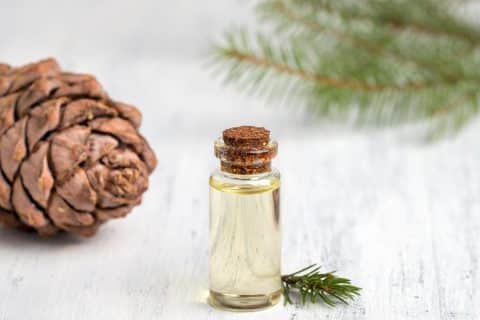
Cedar has better credentials than most people assume. Cedarwood oil has been a registered pesticide in the United States since 1960, specifically to repel moths from clothing, and the EPA calls its mode of action repellent rather than toxic. In 1993 the agency proposed exempting plain cedar products from pesticide regulation as low-risk.
So the mechanism exists. Here is where it stalls:
- The oil in aromatic eastern red cedar kills small larvae and does nothing to large ones. A larva a few weeks into feeding is past that size.
- The vapor fades. Emission drops below a useful level after roughly 10 to 12 months, and after several years the wood loses the property entirely.
- Even fresh, the concentration only builds inside a tightly sealed container. UC IPM adds that clutter should be kept down so the oils circulate.
Which is why this literature calls cedar chests and closets marginally effective against fabric pests, and only for fabrics free of pests going in. The most useful fact here is counterintuitive: a tightly constructed chest matters more in the long run than the wood it is made of. A plastic bin with a real gasket beats a handsome cedar chest that doesn’t close well. Our test of airtight containers for pantry pests found the same thing: the gasket was the product.
Mothballs: the label is the product
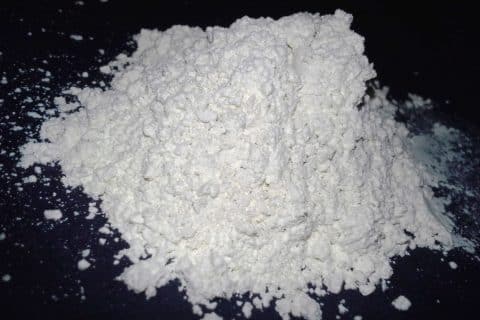
Mothballs sold in the United States contain naphthalene or paradichlorobenzene, and they are close to 100 percent active ingredient. No carrier, no filler. They are EPA-registered pesticides, so the label is not advice. It has the force of law.
That label describes a closed, airtight container, because vapor accumulating in a sealed space is what kills the moths. Used loose in a closet, an attic, or a crawlspace, the product is being used contrary to its labeling. Some labels warn “NOT FOR USE TO CONTROL SQUIRRELS, BATS AND BIRDS INSIDE THE HOME,” which tells you what people have been doing with them.
The vapor is the active ingredient: that is the point of the product, and also why exposure to large amounts has been associated with headache, nausea, vomiting, diarrhea, eye and nose irritation, and coughing. We give no dosing or health guidance. Read the label on your own package, and if someone has been exposed and feels unwell, contact a health professional or Poison Control (1-800-222-1222).
Lavender, rosemary, mint, and sachets

Extension sources group these with cedar as essential-oil repellents whose benefit lessens over time. Notice what that leaves out. Nobody credits lavender or mint with killing anything, and nothing reports an effect on larvae already feeding in a garment. An absent claim is not proof of an absent effect. It does mean nobody should be selling you one.
We reached a warmer conclusion about cedar oil for silverfish, and the difference is the animal, not the chemistry. A silverfish roams, so a baseboard can be made less appealing to something looking for a better spot. A clothes moth larva is not looking for anything. It lives inside its food.
What each product claims, and what it needs
| Product | Claimed mechanism | Extension literature | Required condition | Verdict |
|---|---|---|---|---|
| Aromatic red cedar: chests, blocks, balls | Vapor repels adults, kills larvae | Kills small larvae only; vapor useful about 10 to 12 months, the wood for a few years | Sealed container, low clutter | Marginal, and only for clean fabric |
| Cedar oil sprays and refresher oils | Restores the vapor | Cedarwood oil registered since 1960; repellent, not toxic mode of action | Same vapor, same container | A repellent, not a treatment |
| Mothballs: naphthalene, paradichlorobenzene | Trapped vapor kills the moths | Near 100 percent active ingredient; EPA-registered pesticide | Closed, airtight container, per the label | Works as labeled; almost never used as labeled |
| Lavender, rosemary, mint sachets | Scent repels moths | Grouped with cedar; benefit lessens over time; no reported effect on larvae | Enclosed space, low clutter | Thinnest evidence; pleasant, not protective |
| Sprays labeled for clothes moths | Kill larvae on the article | Fallback for what cannot be laundered, dry cleaned, or frozen; usually pyrethrins or permethrin | Label must list clothes moths | Situational, and last rather than first |
What actually protects clothes
Nothing above saves a sweater already being eaten. Repellents protect fabric that is sound to begin with, and the work that does the protecting is dull.
- Launder washable items thoroughly, 20 to 30 minutes in water of at least 120°F. That kills every stage.
- Dry clean what cannot be laundered, and freeze small non-washable items for two weeks.
- Hang woolens in the sun and brush along seams and folds. Brushing destroys eggs and exposes larvae, which drop off when they cannot find cover.
- Then store them clean, in something that seals.
The order is the point. Clean first, contain second. A sealed box with a fed larva inside it is an incubator with a lid on.
None of this argues for sealing the closet itself. Day to day a closet does better with air movement, seasonal inspection, and clean fabric, which is what our guide to keeping moths out of a closet is about. The sealed container is for the wool coat going away until November. Our testing method covers how we judge products.
FAQ
How do you get rid of clothes moths naturally?
By temperature, not scent. Laundering washable items 20 to 30 minutes at 120°F or above kills all stages. Two weeks in a freezer handles small items that cannot be washed.
Does a moth repellent spray work?
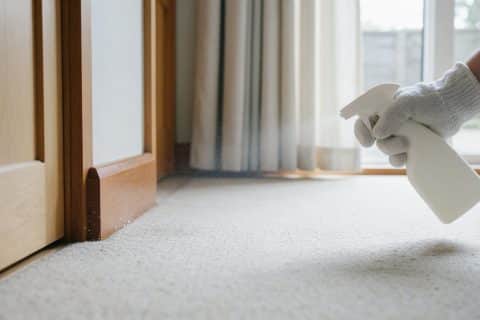
Depends which kind. A cedar or essential-oil spray inherits cedar’s problem: in open air the vapor disperses. An insecticide spray listing clothes moths on its label is a different product, treated in extension guidance as a fallback.
Do cedar balls work if I sand them or add cedar oil?
Refreshing the surface is common advice, but we could not find it addressed in extension guidance, so we won’t claim it restores anything. That guidance does say the container matters more than the wood.
Does lavender repel moths?
Extension sources treat lavender like rosemary and mint: an essential-oil repellent whose benefit lessens over time. They do not credit it with killing eggs or larvae. So it is not nothing, and it is not protection.
Is a cedar chest worth buying for storage?
Buy it for the joinery, not the aroma. A tight chest holds clean wool long after the cedar smell stops mattering. A clothes moth pheromone trap nearby tells you if adults are flying, but monitoring is not protection.
Sources
- University of California Statewide Integrated Pest Management Program, Pest Notes: Clothes Moths.
- Clemson Cooperative Extension, Home & Garden Information Center, Fabric Pest Control.
- National Pesticide Information Center (Oregon State University and U.S. EPA), Mothballs: Naphthalene and Paradichlorobenzene; Regulation, Proper Uses, and Alternatives of Mothballs.
- U.S. Environmental Protection Agency, R.E.D. Facts: Wood Oils and Gums (Cedarwood Oil), EPA-738-F-93-008.
- Penn State Extension, Clothes Moth.