Short answer
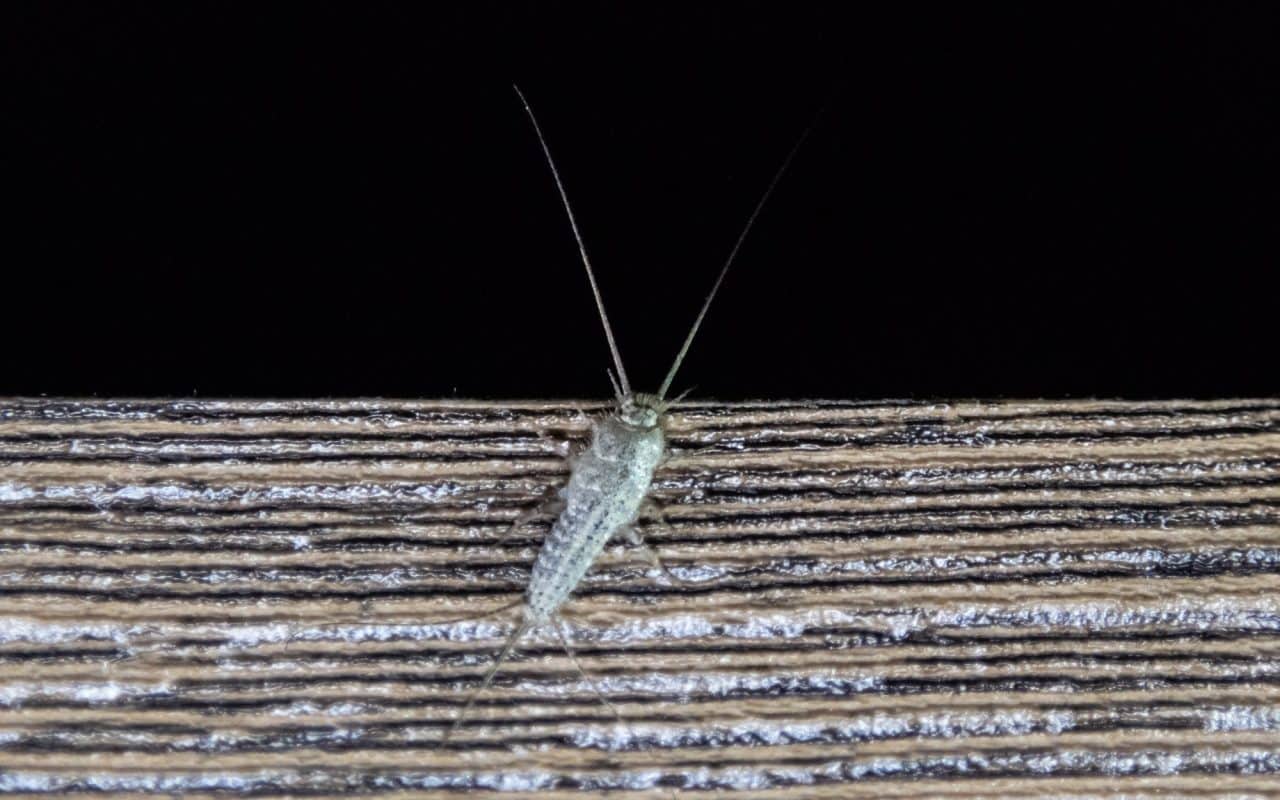
Those little silver bugs in the bathroom are almost certainly silverfish. The color, shape, and speed line up almost perfectly, and a bathroom is exactly the kind of spot they gravitate toward.
- Metallic silver-gray, shaped like a slim carrot, over half an inch long, no wings, and gone in a blink once the light hits it.
- See the full profile and photos on the silverfish species page.
- Ready to stop seeing them? Read how to prevent silverfish in the bathroom.
Which bug is it?
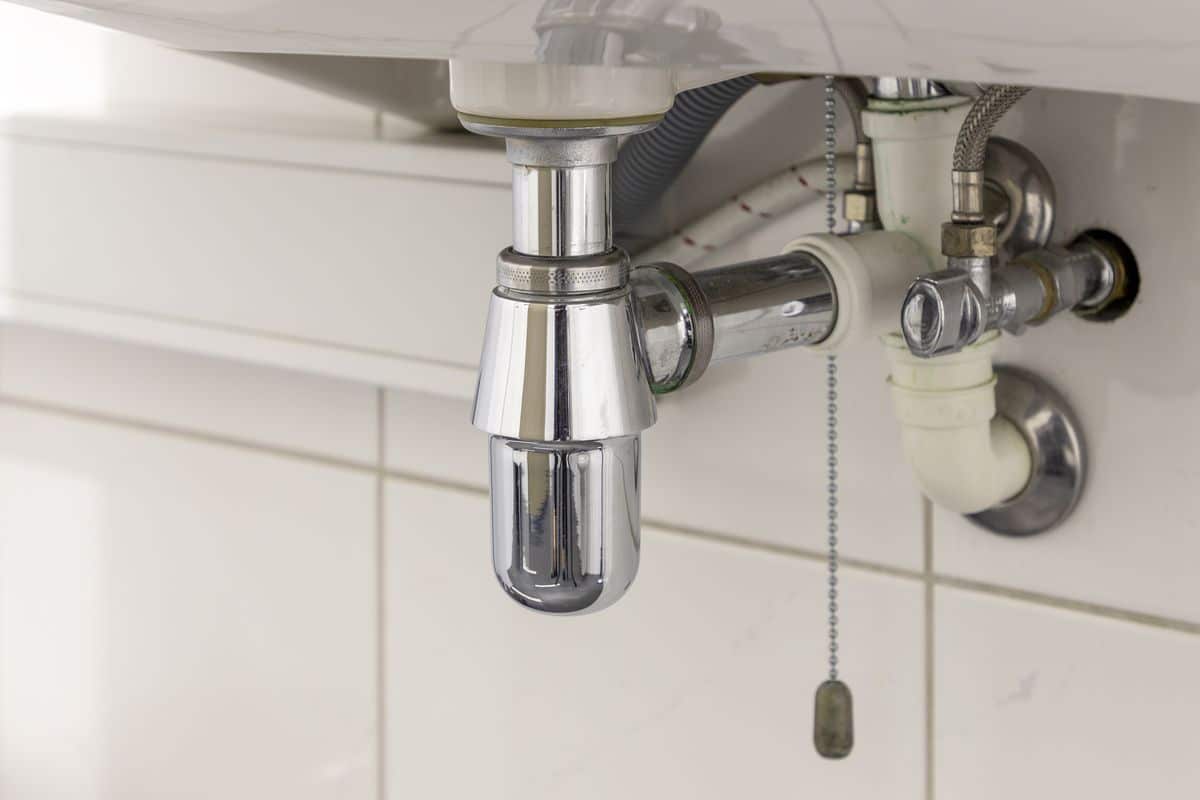
If what you’re spotting is silver or gunmetal gray, tapers to a point like a tiny carrot, and darts off the instant it senses movement, you’re looking at a silverfish. They’re wingless, usually somewhere between half an inch and three quarters of an inch long, and genuinely fast across tile or vinyl, which tends to be the detail people remember most. Bathrooms give them everything they want: steady moisture from showers, a dark gap under the sink, and sometimes a bit of paper or fabric to feed on.
For the full rundown, including close-up photos and behavior notes, check the silverfish species page before doing anything else. Once you’ve confirmed the identification, our bathroom-specific prevention guide walks through the moisture and clutter fixes that actually keep them from coming back. If the bug you found doesn’t quite match this description, start over at the identification hub instead.
FAQ
Are silverfish in the bathroom a sign of a bigger problem?
Not necessarily. A bit of everyday bathroom humidity is enough to attract one or two. Seeing them regularly is more often a sign that moisture is building up somewhere nearby, so it’s worth checking under the sink and around the tub.
Could it be a different bug instead of a silverfish?
It’s possible, though the combination of silver color, carrot shape, and quick movement is fairly distinctive. If yours looks slower, has visible wings, or is a different color, compare it against other species on the identification page.
Why do silverfish only seem to show up in the bathroom at night?
They’re not strictly nocturnal, but they avoid light and activity, so a bathroom that sits dark and quiet for hours is where they feel safe coming out. Flip the light on and they scatter for the nearest gap.