Short answer
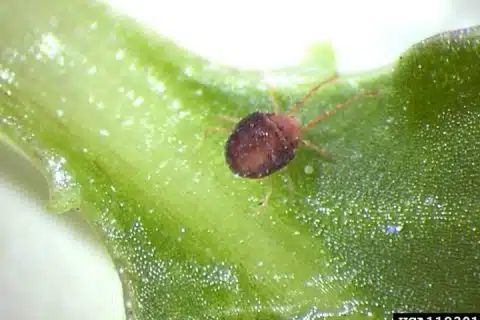
A tiny black bug crawling or hopping around a bathroom, with no wings anywhere in sight, is almost always one of two insects: a springtail or a booklouse. Neither one flies, both are small enough to vanish against grout, and both turn up in bathrooms for the same reason: the room holds moisture longer than the rest of the house. What actually separates them is simple: does it jump, or does it walk?
- Watch it for a couple of seconds. A sudden hop that lands somewhere random means springtail. A steady, unhurried crawl means booklouse.
- Check the room for damp spots: condensation on the mirror, a shower tray that never fully dries, grout that stays wet, or an exhaust fan that switches off too soon.
- Both insects disappear once the moisture does. The moisture control guide covers the fixes that work for either one.
Which bug is it?
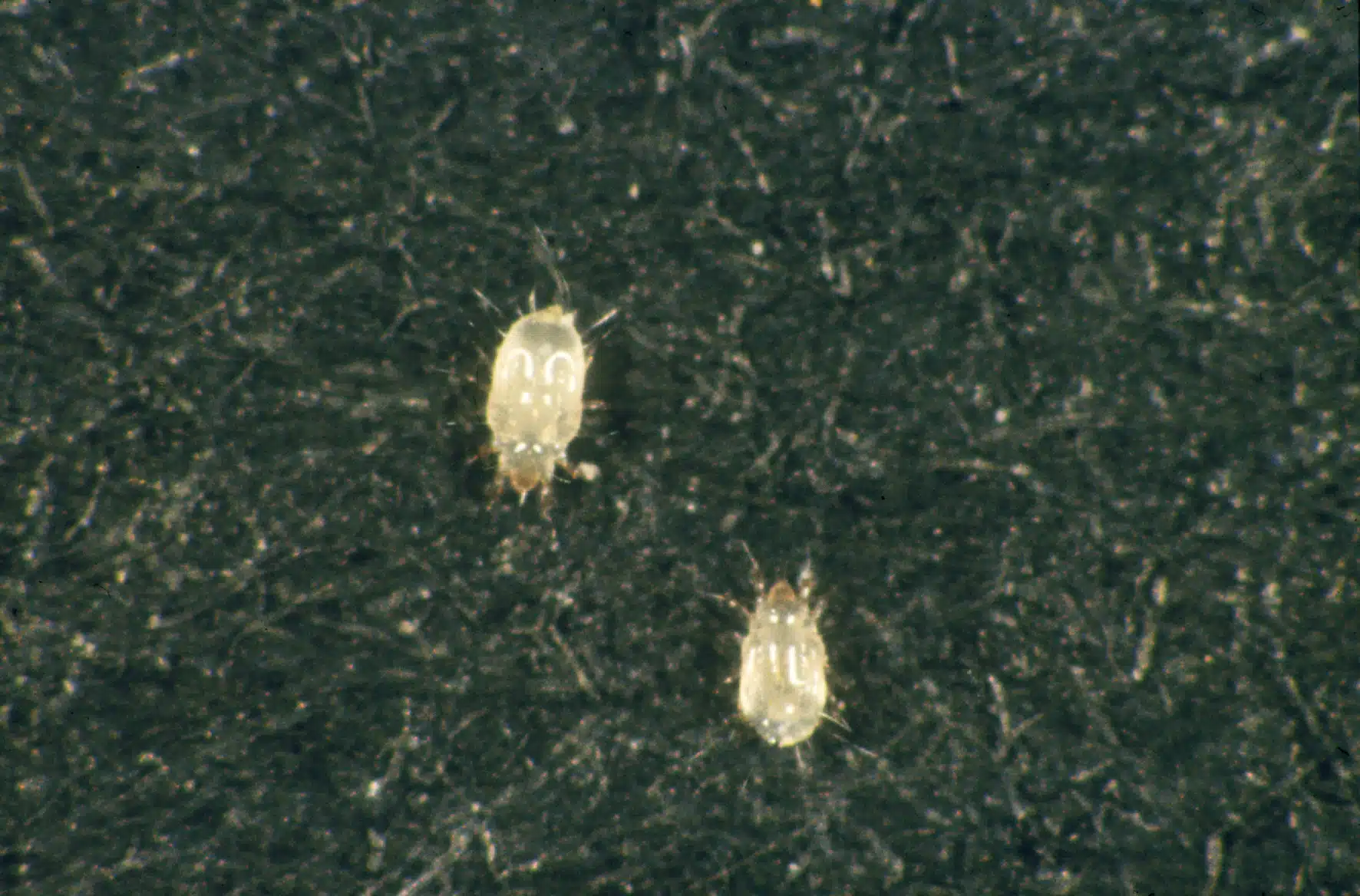
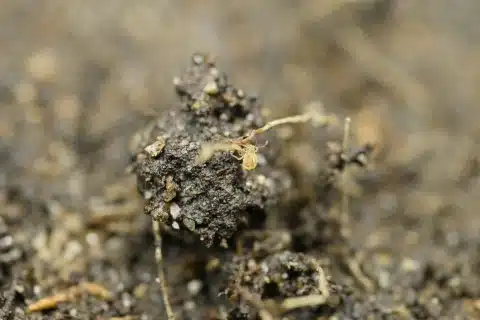
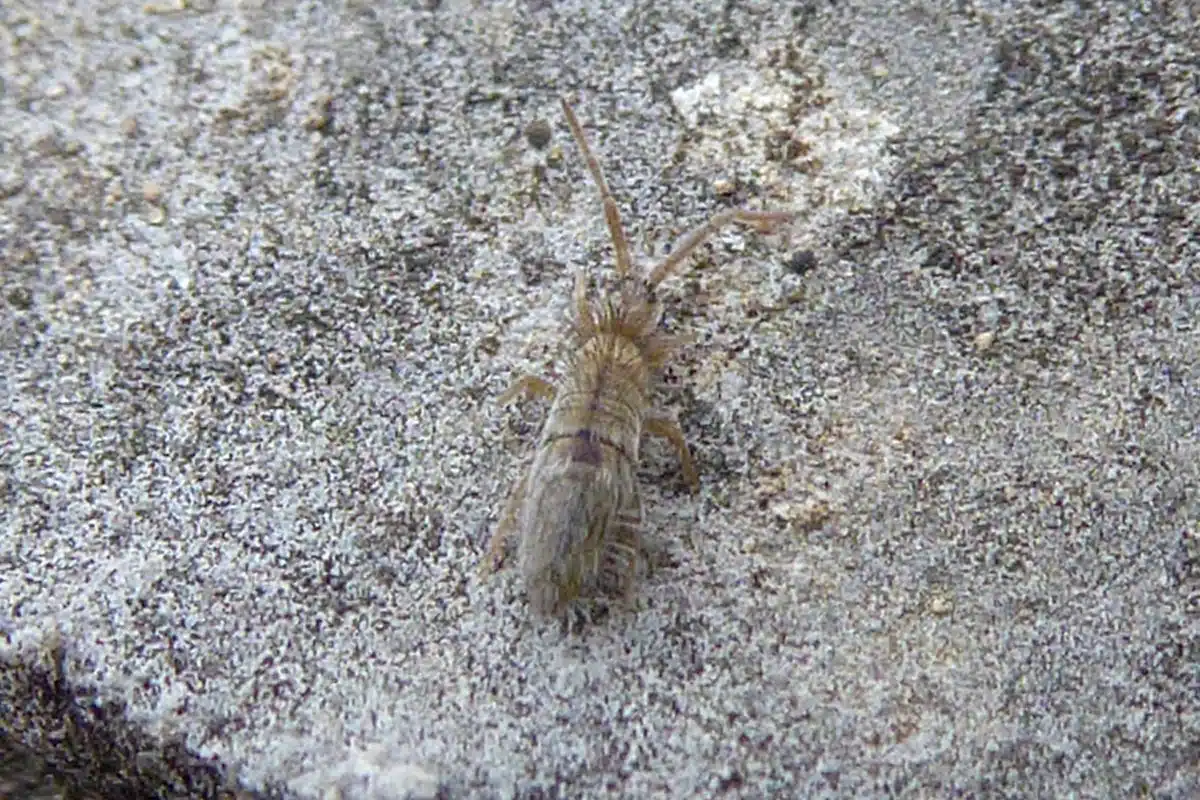
Neither springtail nor booklouse is actually black. A springtail’s real color runs gray, blue-gray, or a dark, sooty brown that reads as black under a dim bathroom light or against white tile. A booklouse is the opposite problem: pale tan to almost translucent, which sounds nothing like black until you spot one against a dark grout line or a shadowed corner, where it can look like a speck of dirt that happens to move. “Black” in a search like this one is usually shorthand for small, dark enough, and hard to see clearly, rather than a precise color, so it doesn’t rule either species out.
The reliable test is movement, not color. Springtails carry a small forked appendage folded under the abdomen that snaps open and flings them up to several inches through the air the moment they’re disturbed, so you’ll see one there for an instant and gone the next, landing somewhere unpredictable. Booklice have nothing of the sort. They walk, sometimes in short, jerky bursts, but always with their feet on the surface. Watch whichever bug you found for a few seconds before it ducks under the baseboard, and the movement alone answers the question. Our full profiles on the springtail and on booklice go through the rest of the identifying details, including size, look-alikes, and what draws each one indoors.
Wings don’t help narrow it down here, since neither insect that commonly shows up in a house bathroom has any. If the speck turns out to have small fuzzy wings and sits on the tile beside a drain, it’s a drain fly instead, and clearing the film inside that pipe is what actually ends it. What does help is exactly where you’re finding them. Springtails cluster right where water sits: under the sink cabinet, on a shower tray, along a windowsill with condensation. How to clear springtails out and keep them out starts with finding that water. Booklice lean toward anywhere paper, drywall backing, or plaster stays damp, which in a bathroom usually means behind a baseboard or around a water-stained patch of wall. Either way, the room is telling you the same thing: something in there isn’t drying out. For other small bugs that get mistaken for either one, the identification hub sorts the usual suspects by color, size, and room.
FAQ
Are these bugs dangerous?
No. Neither springtails nor booklice bite, sting, or carry disease, and neither one damages the structure of a home. They don’t target people, pets, food, or wood the way some household pests do. Finding them is unpleasant, not harmful.
How do I get rid of them?
Lower the humidity in the room and both insects lose their reason to be there. A dehumidifier, better airflow from the exhaust fan, and drying up any standing condensation usually bring the numbers down within a week or two, with no spray needed. The moisture control guide walks through the room-by-room fixes.
Why do they keep coming back?
Because the moisture problem hasn’t actually been fixed, just interrupted. A single cleaning or a few days with the fan running rarely lowers humidity enough to matter long-term. If the bugs return within a few weeks, look for a slow leak, a fan that vents into the attic instead of outside, or a shower that isn’t drying fully between uses.