Short answer
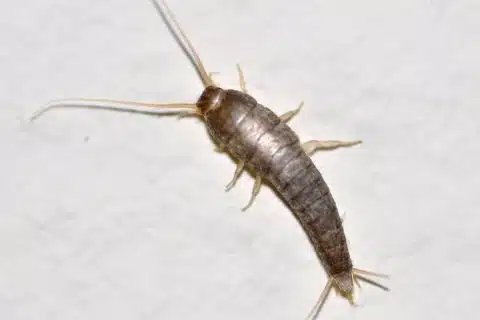
Nothing in our catalog matches a long, skinny black bug, and it’s more useful to say that plainly than to point you at the closest thing we’ve got. The house bugs profiled on this site are oval beetles, small round mites, tiny moths, or a stubby carrot-shaped silverfish. None of them are long and thin. If what crossed your kitchen floor was genuinely slender and elongated, you’re looking at something outside what we cover here, and a different kind of identification page will serve you better.
- Count the legs you can see, or at least guess whether it’s six or a lot more.
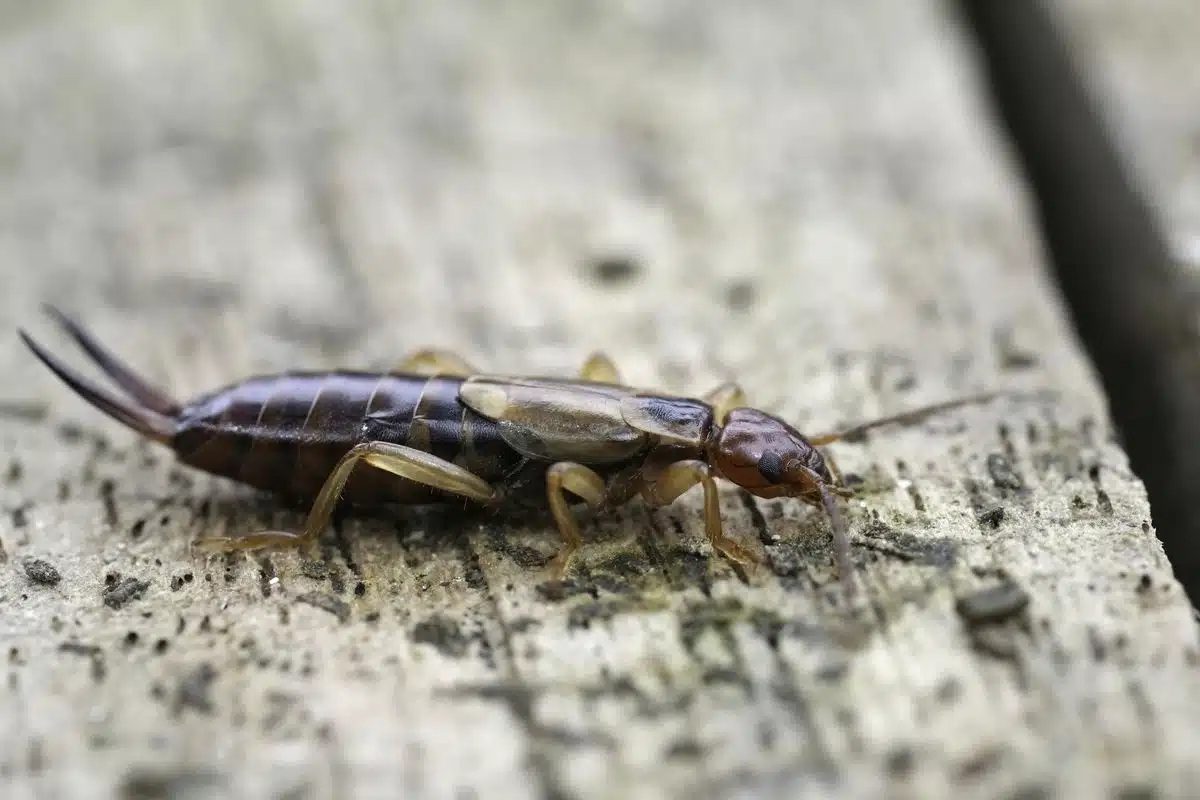
- Check the tail end for a pair of pincers.
- Compare the shape against our bug identification hub, where ruling things out works almost as well as finding a match.
Which bug is it?
We’ll be upfront about this: the species we’ve written up so far don’t include anything with a long, skinny body. Carpet beetles are oval and bristly. Silverfish are stubby and tapered, more like a small carrot than a thread. Pantry moths and clothes moths have the soft, triangular shape of a moth at rest, not a crawling bug at all. Gnats, drain flies, fruit flies, booklice, springtails and clover mites are all small and compact, closer to round than elongated. A drugstore or cigarette beetle is oval and slightly domed. None of that lines up with “long and skinny,” so forcing a match here would do you a disservice.
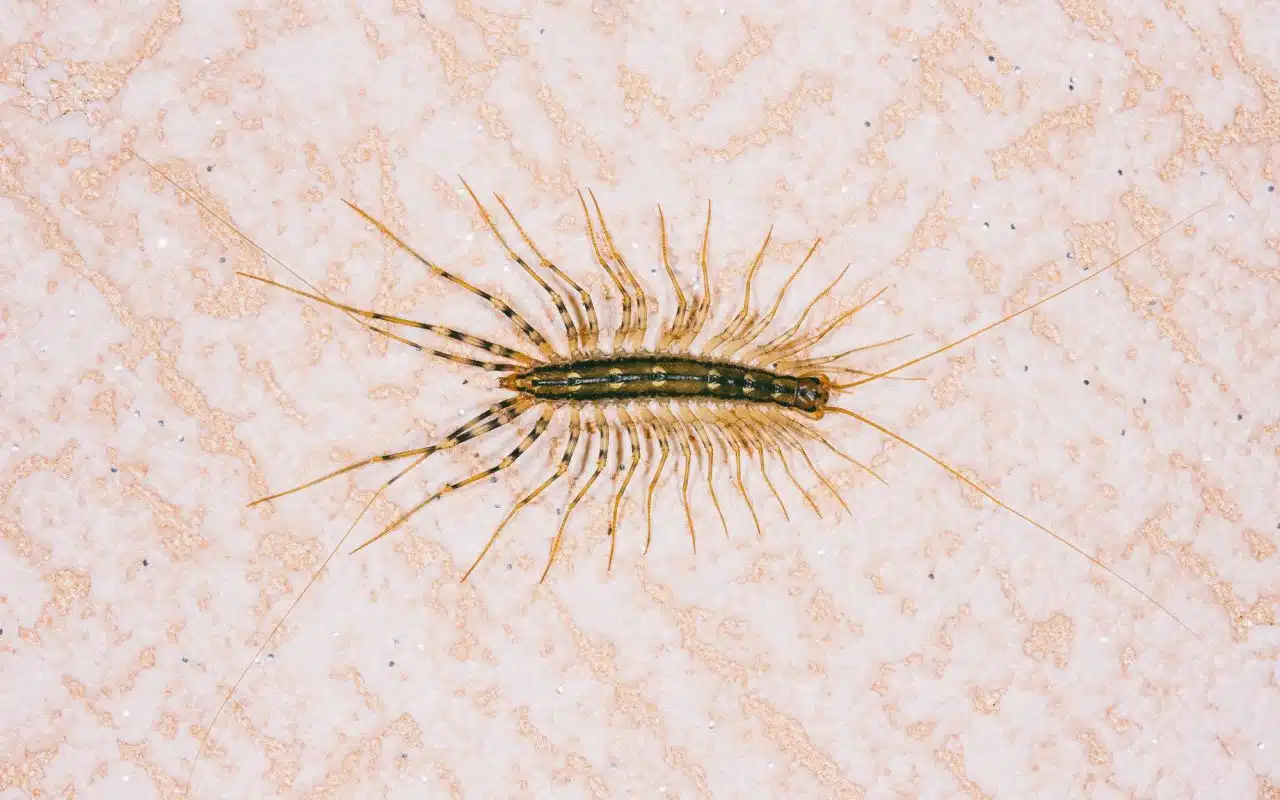
What we can offer instead is a way to narrow things down by shape alone, without guessing at a species we haven’t verified. If the body is long and made up of many visible segments, with more than six legs moving along its length, that general build usually points toward a myriapod, the broad family that includes centipedes and millipedes, rather than a six-legged insect. If instead you saw a slim body with a distinct pair of pincers at the back end, that’s a different kind of insect again, and also not one of the twelve we’ve profiled. Neither of those is something we can name with confidence from a description alone, and we’d rather send you looking in the right general direction than guess.
One thing worth keeping in perspective: most long, many-legged crawlers that show up once and disappear are outdoor wanderers that came in through a gap under a door or a damp spot in a basement, not a sign that something has moved in for good. A single sighting, especially of something that size and shape, is rarely worth losing sleep over. It’s a repeat pattern in the same room, or several sightings close together, that’s actually worth paying attention to.
Best next step: get a clear photo, ideally next to a coin for scale, and run it against the shapes on our identification hub. Seeing which of our profiles it clearly isn’t will get you closer to an answer than trying to match it to any one of them.
FAQ
Could a long skinny black bug in the house actually be one of your profiled beetles?
It’s unlikely. Every beetle we’ve written up, including the carpet beetle and the drugstore beetle, has an oval, slightly rounded body, not an elongated one. If the bug you saw was genuinely long and thin rather than oval, it falls outside what those profiles describe.
Should I be worried if I only saw one?
Generally no. A single sighting of a long-bodied, many-legged crawler is usually a one-off visitor rather than a sign of an ongoing problem. Repeated sightings in the same room over several days are the pattern worth tracking, not a lone appearance.
What should I check next if none of your profiles match?
Start with leg count and whether there are pincers at the tail end, since those two details separate the major groups quickly. Then browse our identify page to see the shapes we do cover, which can at least confirm what you’re not looking at.