Short answer
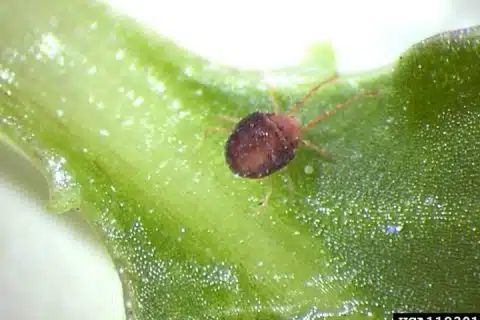
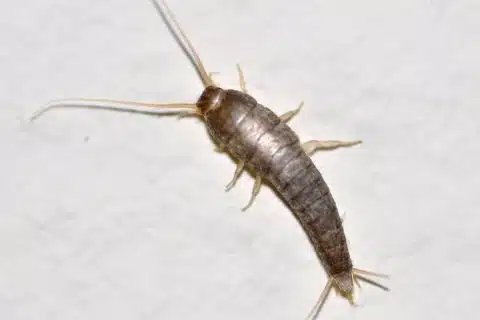
Tiny white bugs in the house almost always turn out to be one of two insects: booklice or springtails. Both are small enough to miss at first glance, both are unusually pale for a household bug, and both show up because a room somewhere is staying damp longer than it should. The detail that actually separates them is how the bug moves once you disturb it.
- Watch it under decent light for a few seconds. A bug that walks steadily away, feet on the surface the whole time, is a booklouse. One that vanishes in a sudden hop and lands somewhere random is a springtail.
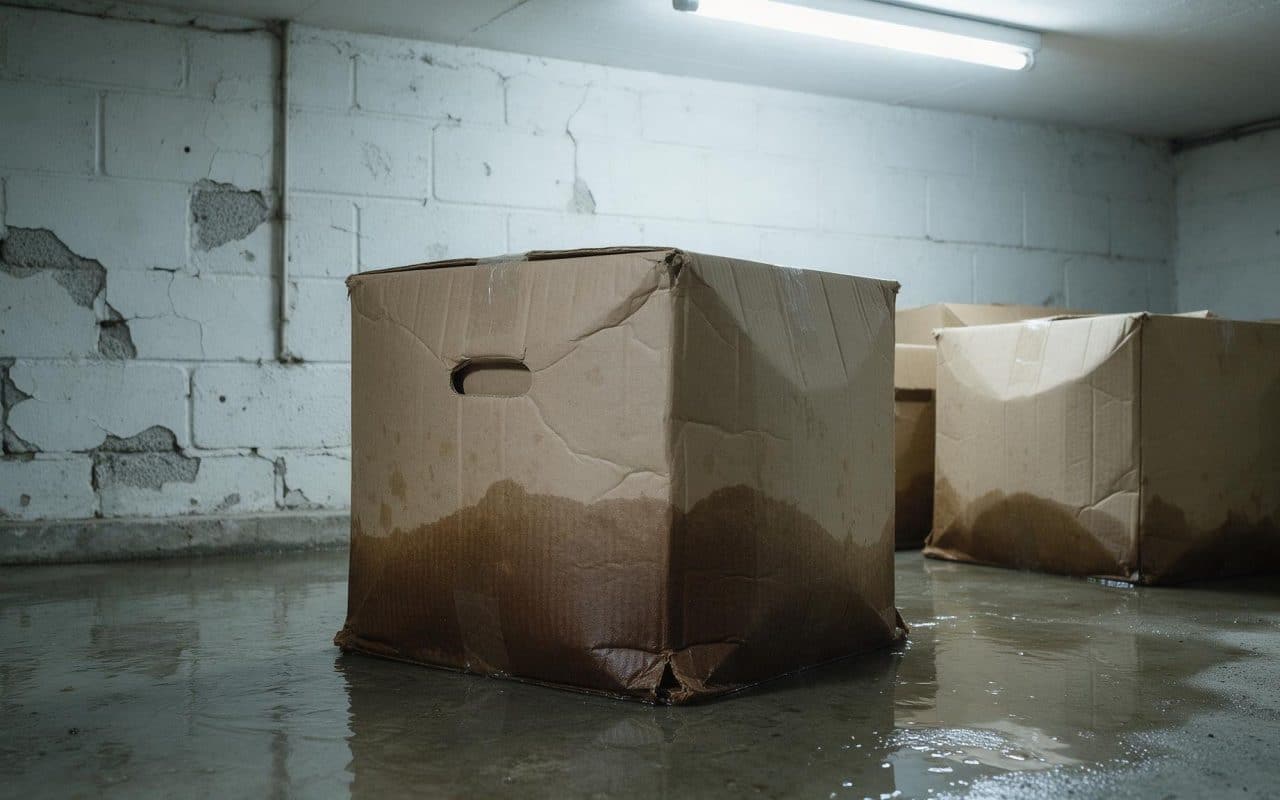
- Check whether the spot where you found it is ever damp: under a sink, behind a baseboard, near a window that fogs up, or inside a box that got wet once and never fully dried.
- If the room checks out as damp, the moisture control guide covers how to dry it out enough that neither insect sticks around.
Which bug is it?
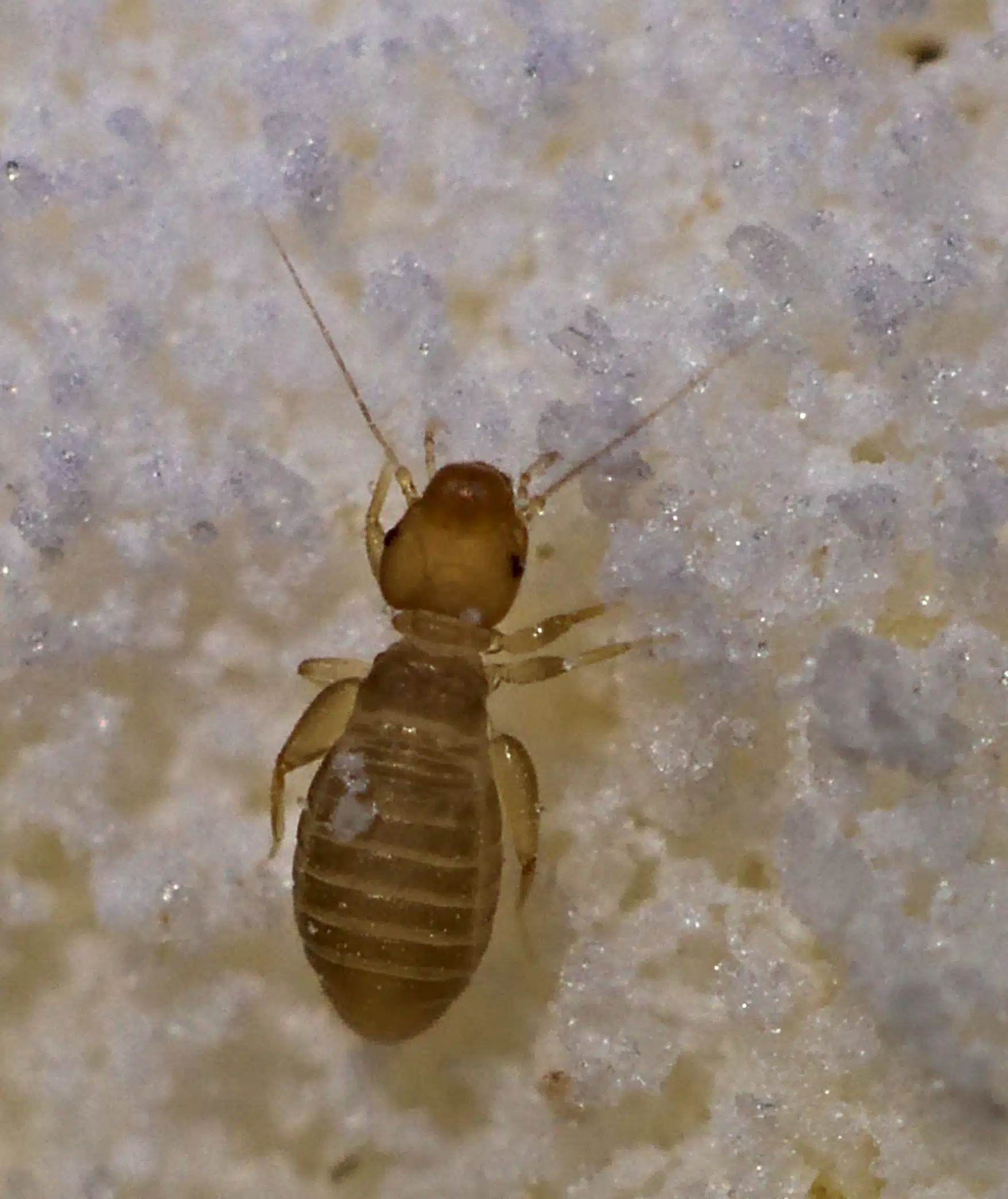
Booklice are the paler of the two candidates, often described as translucent or a washed-out cream color, which is about as close to true white as anything in our catalog gets. They measure only 1 to 2 millimeters, move by walking rather than jumping, and tend to turn up on damp paper, cardboard, wallpaper paste, or drywall that’s holding more moisture than it should. A bathroom, a basement box that never fully dried, or a closet with a slow leak are all typical spots. The full booklice profile covers size, look-alikes, and what draws them indoors.
Springtails run a shade or two darker, usually gray or a gray-white that can still pass for “white” against dark tile or soil, and they’re a bit larger at 1 to 3 millimeters depending on the species. The giveaway is a small forked structure tucked under the abdomen that snaps open and flings the insect a short distance the instant it’s disturbed, so it seems to disappear and reappear somewhere else rather than crawl away. They gather wherever water actually sits: potted plant soil, a window track with condensation, the damp ground under a leaky pipe. The springtail profile has the rest of the details, and getting rid of springtails starts by finding the water.
Both insects trace back to the same root cause. Neither one eats fabric, wood, or food the way most household pests do; what draws them in is dampness itself, whether that’s water-softened paper for booklice or standing moisture for springtails. Dry out the spot where you’re finding them and the numbers usually thin out on their own within a week or two, no matter which of the two it turns out to be. For other pale or light-colored bugs that could be mistaken for either one, the identification hub sorts the usual suspects by color, size, and room.
FAQ
Are these bugs dangerous?
No. Booklice and springtails don’t bite, sting, or carry disease, and neither damages the wood or structure of a home. Finding a cluster of them is unpleasant, not harmful.
How do I get rid of them?
Fix the moisture rather than chasing the bugs directly. Both species lose their reason to be there once the damp spot they’re living in dries out and stays dry, which usually means a dehumidifier, better airflow, or repairing whatever is letting water sit. The moisture control guide walks through the room-by-room fixes.
Why are they white instead of some other color?
It’s closer to translucent than truly white. Booklice have thin, lightly pigmented exoskeletons, especially as juveniles, so the pale body underneath shows through. Springtails aren’t white either, just light gray, and the color can look washed out under bathroom lighting or against a dark surface. Neither is a sign of anything unusual about the insect.