Short answer
Carpet beetles are not caused by damp, and not by a dirty house. The adults fly in from flowers outside, mostly in spring. A population only takes hold if there is keratin indoors to feed larvae: wool, fur, feathers, dead insects, or the mat of hair and lint under furniture nobody moves. Seeing a beetle and having an infestation are two separate findings.
- Note where you found it. A beetle on a sunny sill in April is usually passing through. A beetle in an interior room is not.
- Look for larvae or hollow shed skins along carpet edges and under heavy furniture. That is the finding that means a population.
- If you find them, work the source rather than the surface: the full removal protocol starts with the inspection.
Two questions hide inside “what causes carpet beetles”
The phrase covers two problems, and mixing them up costs a weekend. One is how a beetle got into the room you are standing in. The other is what has been feeding larvae in your house for months. The first has four common answers. The second has one.
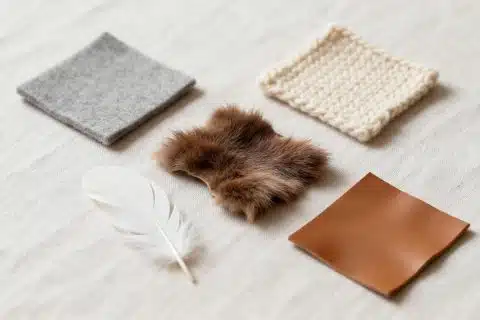
That one is keratin: the protein in hair, wool, silk, fur and feathers. Almost nothing in an insect’s world can digest it. Carpet beetle larvae can, and that single ability decides everywhere they live. Adults eat none of it. They feed on pollen and nectar, outdoors. So the beetle on your sill is not the cause of anything: it is the end of a cycle that ran indoors, or a visitor from the yard. The stage you see is the harmless one.
Route one: adults fly in from flowers, mostly in spring
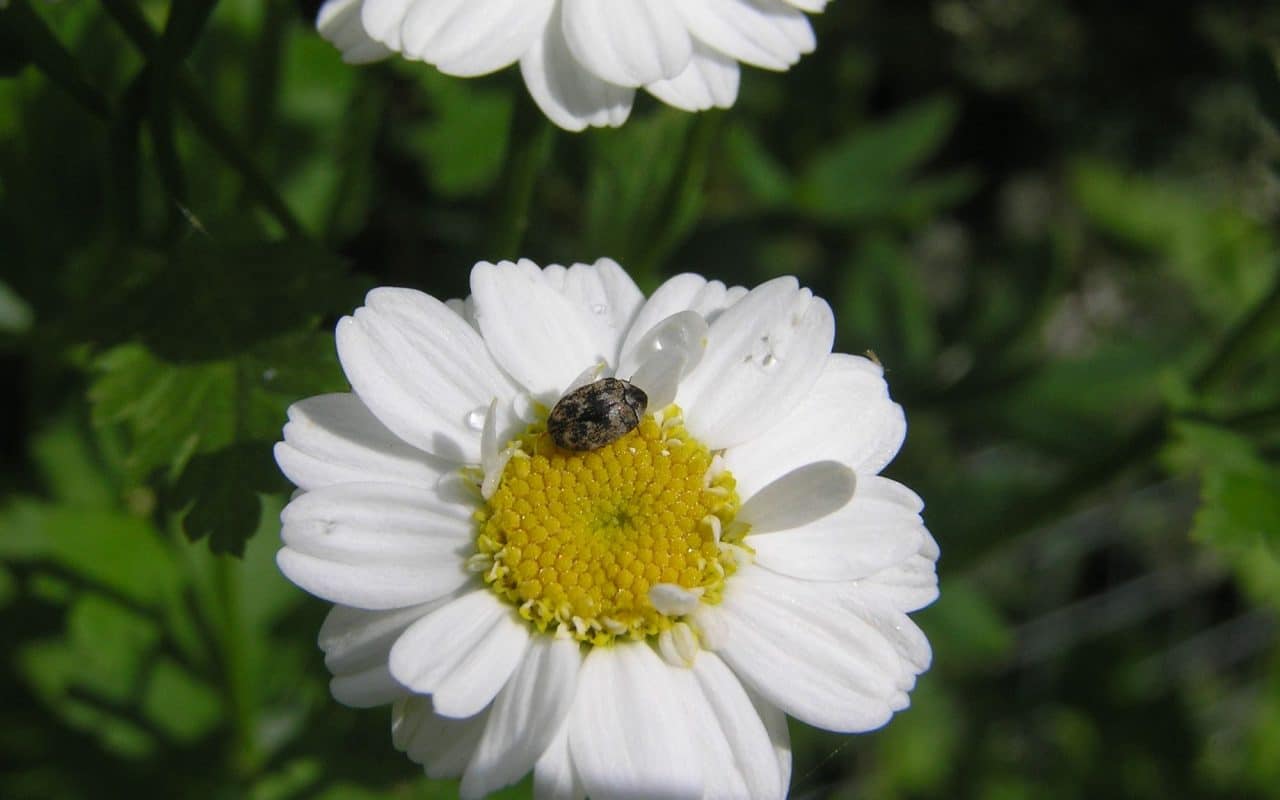
Adult carpet beetles live on flowering plants; crape myrtle, spiraea and buckwheat are all on the UC IPM list of favorites. They fly well, and they fly toward light. When adults emerge in spring, the brightest thing in a dim yard after sunset is a lit window, which is how a house ends up with several small beetles on one sill across a few weeks.
An intact insect screen is finer than a varied carpet beetle at 2 to 3 millimeters, or a black carpet beetle at 3 to 5. What lets them through is the gap, not the mesh: a screen torn at the corner, a frame that no longer seats, a gable vent with nothing behind it. Cut flowers do it too. The house-wide prevention checklist closes the same gaps.
On its own, this route starts nothing. An adult that dies on the sill has laid nothing your house can feed, unless it found keratin first. The count at the window matters less than what is under the sofa.
Route two: the nest overhead you have never inspected
A bird nest in a soffit, a vent hood or a disused chimney is a pile of feathers, down and dried droppings, held at a stable temperature and left alone for years. An abandoned wasp nest is the same thing with dead brood in it. Both are keratin reservoirs, and one of those is the usual reason a house keeps producing beetles after the closet has been washed twice.
The indoor version is smaller and just as reliable: dead flies in the bottom of a ceiling fixture, dried insects in a window channel, old spider webs with the catch still in them. Nobody vacuums a light fixture. Larvae found nowhere near a closet often trace back to one.
The shortcut: if beetles keep appearing in one upstairs room and nowhere else, look up before you look down. The soffit vent, the attic hatch, then the ceiling fixture.
Route three: what you carried in
Wool, fur, feathers and silk that had a previous life can carry a previous population. A thrifted coat, an inherited rug that spent five years rolled up in a relative’s attic, a feather pillow, a taxidermy mount. Eggs are about half a millimeter and pale, and larvae sit in a seam or a rolled edge. Looking the item over at the shop tells you nothing.
A second import route runs through the kitchen instead. Black carpet beetle larvae also eat dry plant material: cereal, flour, spices, birdseed, dry pet food. A sack of birdseed left in a garage can seed a house on its own.
The answer here is quarantine, not inspection, and it is dull. Anything secondhand carrying keratin gets a hot wash and a hot dryer cycle, or several days sealed in a freezer if it cannot take heat. Either one reaches the eggs and pupae, which is exactly what looking the item over does not.
Route four: the mat of hair and lint under the furniture
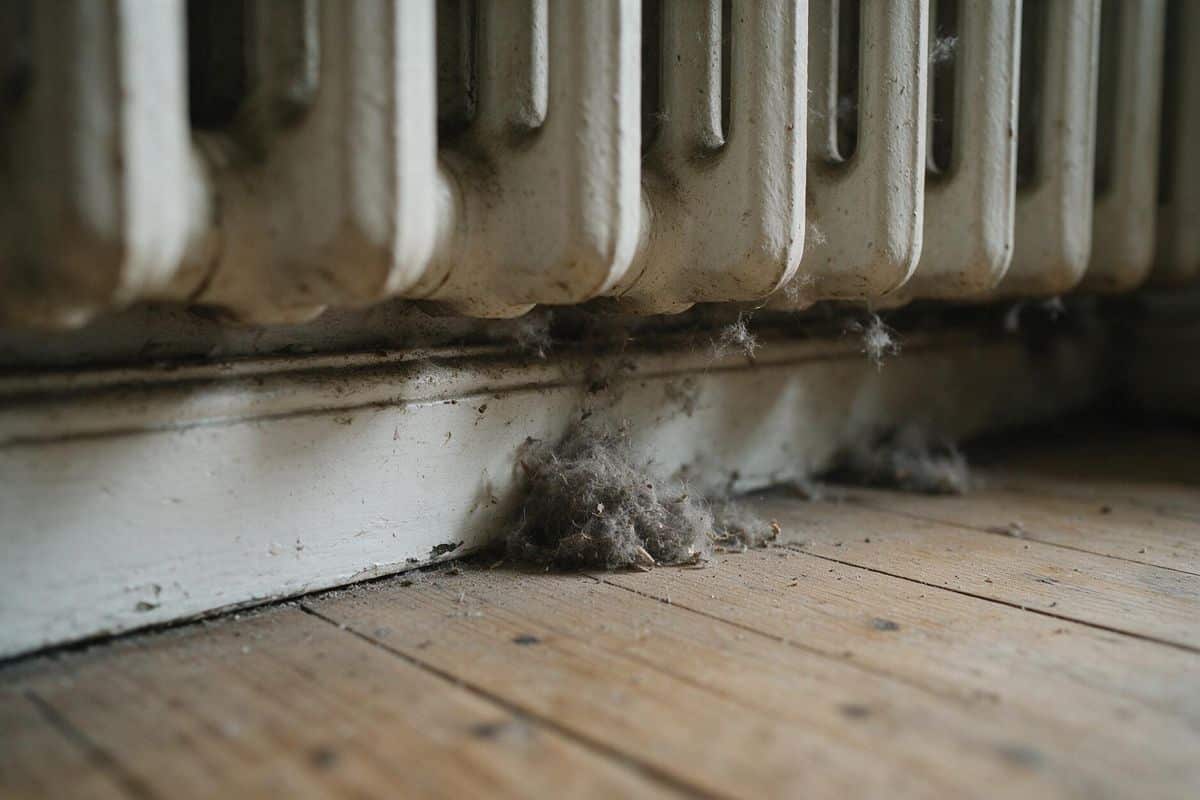
This is the route that explains the houses that make no sense: no wool, no fur, no antiques, and carpet beetles anyway. Human hair is keratin. Pet hair is keratin. Dander is keratin. Cotton and synthetic lint is not food, but it binds the hair into a mat that holds together, holds still and blocks the light.
That mat forms wherever the floor is never touched. Under a sofa that has not moved in three years, behind the dresser, in the channel where carpet meets the tack strip, inside a floor register, in a return grille. A larva that would starve on an open floor completes its whole development in a mat like that, and that development runs for months rather than weeks. What the larvae look like and where they hide covers the search itself.
It also answers the usual objection. “I vacuum every week” nearly always means the open middle of the room, which is exactly where larvae are not. They run from light, and they live in the inch or two of floor against the baseboard. It explains the order people describe, too: the population starts in the lint, and the sweater is what it expands into.
What does not cause carpet beetles
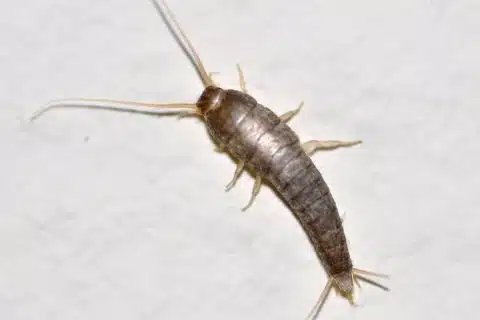
- Damp. These are not a moisture pest. Silverfish and springtails track indoor humidity; carpet beetles do not, and drying a bathroom will not move the count.
- A dirty house, in the way people mean it. Undisturbed is the operative word, not unclean. A spotless room with a sofa that never moves has the same mat under it.
- Crumbs on the kitchen floor. Bread and sugar are not keratin. The one exception is the black carpet beetle in stored grain, birdseed and pet food.
- Something you brought back from a hotel. That is the bed bug story, and it does not transfer here.
- Cedar blocks and mothballs, in either direction. Neither is why beetles arrived, and neither reaches the lint mat where the larvae actually are.
Spraying the baseboards is not a cause fix: it treats the surface you can see and leaves the reservoir untouched, whether that is a nest in a soffit or the mat under the sofa. The beetles return on the schedule they left on.
One beetle, or an infestation? Which finding you have
| What you are seeing | What it usually means | Where to look next |
|---|---|---|
| One or two beetles on a sunny sill in spring | An adult passing through, in or out | The window itself. Watch the sill two weeks. |
| Beetles at several windows over a few weeks | Something indoors finished developing | Floor edges and under furniture nearby |
| A beetle in an interior room with no window | It emerged inside the house | That room: closet floor, vents, under the bed |
| Bristly larvae, or hollow shed skins | An active population, already months old | The lint mat under the nearest heavy furniture |
| Irregular holes in wool, no silk webbing | Larvae have reached the closet | Closet floor, shelf undersides, folded seams |
| Larvae in cereal, birdseed or dry pet food | Black carpet beetle rather than varied | The pantry, and the bag it arrived in |
The distinction decides your next hour. A beetle at the glass earns a screen repair and two weeks of watching. Larvae or shed skins earn a real inspection. If you are unsure which stage you are holding, the adult and the larva side by side settles it, and what they actually do to a house puts the damage in proportion.
One note on timing. The larval stage runs for months, so finding no larvae in October proves nothing: you were never going to see them in October. The honest test is the next emergence, and beetles at your windows next spring mean the cause is still in the building.
FAQ
I only saw one carpet beetle. Do I have an infestation?
Probably not, on that evidence alone. One beetle on a sunny sill in spring is as likely to have flown in from a flowering shrub as to have grown up in your house. What changes the answer is a second finding: beetles at several windows, a beetle in an interior room, or larvae and shed skins along a floor edge.
Do carpet beetles come from outside or from inside the house?
Both, and which one you have decides your next hour. The adults come from outside: they feed on pollen and live on flowering plants. The larvae that do the damage come from inside, from whatever keratin has sat undisturbed. A nest in a soffit, a stored wool item, dead insects in a light fixture.
Does humidity cause carpet beetles?
No. This is a keratin problem, not a moisture problem. Silverfish and springtails follow indoor humidity closely, which is why those protocols are about drying a room out. Carpet beetles do not, and a dehumidifier will not change the count.
Why do I get carpet beetles when there is no wool in the house?
Because hair is keratin too. Human hair, pet hair and dander collect with lint into a mat under furniture that never moves, and that mat will feed a larva through its whole development. Houses with no wool, fur or feathers still produce carpet beetles out of it.
Sources
- University of California Statewide IPM Program (UC IPM), Pest Notes: Carpet Beetles.