Short answer
Not to your health, in any serious way. Carpet beetles don’t bite, sting, or spread disease. To a wool sweater or an heirloom rug, they’re a real and ongoing threat.
- The health risk is limited to a contact reaction some people get from the larvae’s shed bristles, covered in full on carpet beetle rash.
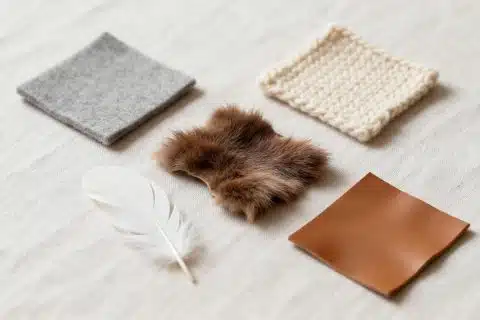
- The real damage is to keratin: wool, silk, fur, feathers, leather, anything an insect built to shred fiber can reach.
- Most of what makes them sound dangerous doesn’t hold up under a closer look. They’re a fabric problem wearing a scarier reputation than they’ve earned.
The myth: that they’re dangerous
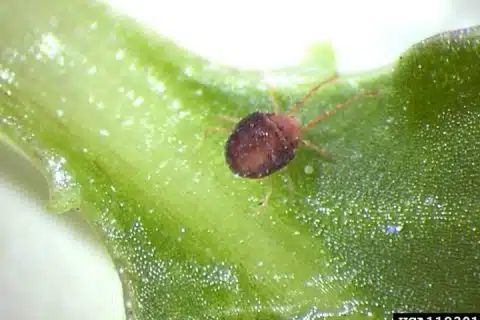
Search “are carpet beetles harmful” and the real question underneath is usually “should I be scared.” The entomology says no. Adult carpet beetles have mouthparts built for pollen and nectar, and the larvae chew keratin, not skin. Neither stage has venom, a stinger, or any structure capable of piercing a person, and neither one transmits disease the way a mosquito or tick does. Extension entomology sources that track urban pest species treat carpet beetles as a fabric and stored-product problem, not a medical one.
Some of that fear transfers over from other pests. Ticks carry disease. Wasps sting. Bed bugs feed on you all night. Lump a carpet beetle into that category by mistake and the instinct to panic makes sense, it’s just aimed at the wrong insect. Carpet beetles are unassuming for a reason: they’re not built to interact with a person at all, only with what’s hanging in a closet.
The real harm: fabric, not you

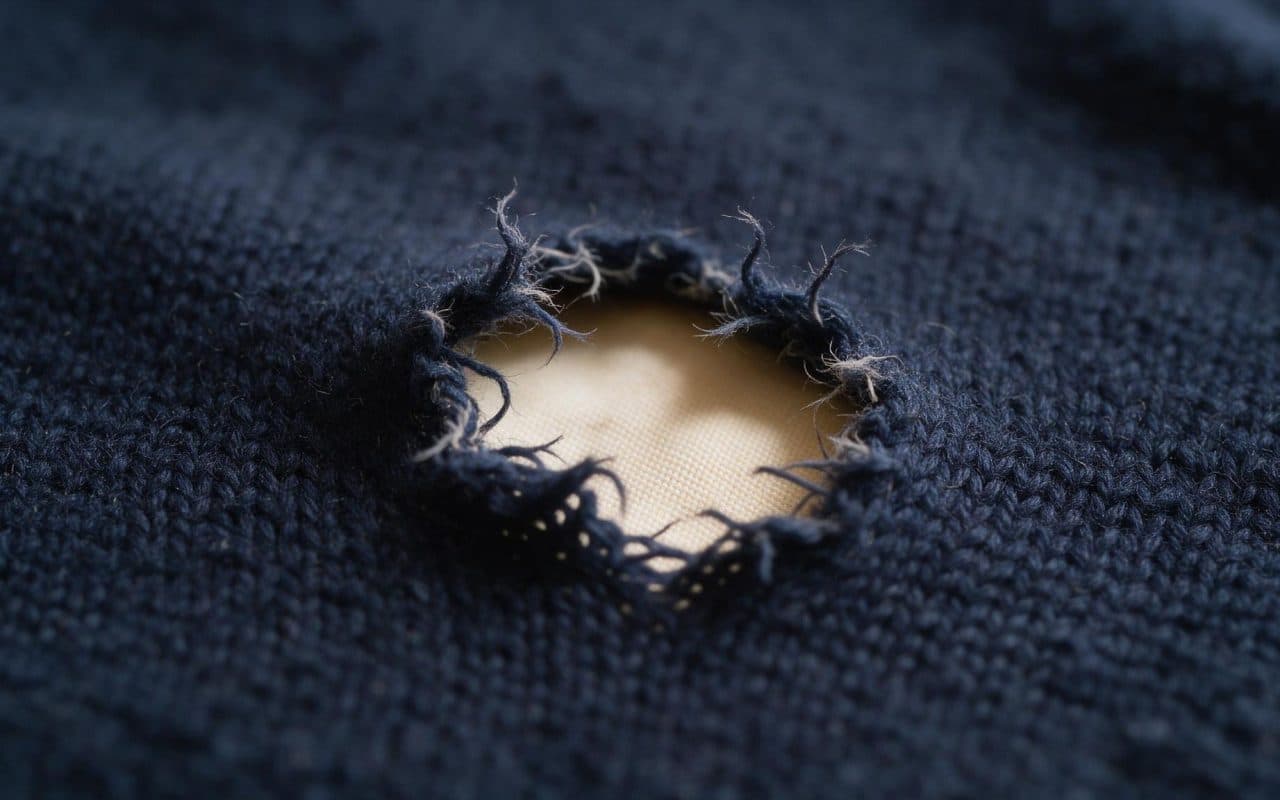
This is where the concern is earned. Carpet beetle larvae eat keratin: wool, silk, fur, feathers, leather, and dried animal material of almost any kind, plus the drift of pet hair and lint that collects under furniture. Left alone, a population works through a wool rug or a stored sweater steadily, and the damage tends to show up as scattered, irregular holes rather than one obvious one, which is part of why it’s often noticed only once it’s extensive.
Larvae avoid light, which is part of what lets the damage sneak up on people. They feed in the folds of a stored coat, the underside of a rug nobody’s flipped over in years, the back corner of a closet shelf, not out in the open where it would get noticed early. By the time a hole shows up somewhere visible, the population has usually been established for a while. It’s a serious enough problem that museums and textile collections treat carpet beetles as a primary threat to keep out, not a nuisance to tolerate, for exactly the same keratin-based materials a home is full of, just with a much higher price tag attached.
The skin reaction, in proportion
Some people do react to the larvae’s shed bristles and molted skins with an itchy, bumpy rash, often mistaken for bed bug bites. It’s a contact reaction, not a bite and not a sign of disease, and it doesn’t happen to everyone exposed to the same source. Carpet beetle rash covers the mechanism in full and what actually resolves it. On the “are they harmful” question specifically, it’s worth being precise: this is the one health effect with any real evidence behind it, and even that is a minority reaction, not something everyone in an infested house should expect.
What about pets?
The same logic applies to cats and dogs as to people. Carpet beetle larvae aren’t parasites. They don’t live on an animal’s body or feed on blood the way fleas do, and there’s no documented venom or toxin involved. A pet that eats one occasionally isn’t swallowing something built to harm it. That said, this site covers insects, not veterinary medicine, and if a pet is showing skin irritation, scratching, or any symptom that’s actually concerning, that question belongs to a vet.
How many is actually a problem?
A beetle or two on a windowsill in spring isn’t an infestation. Adults are on their way outdoors toward light and pollen, and finding one is closer to normal than alarming. What’s worth acting on is the larvae: several bristly larvae in one area, a scatter of hollow shed skins, or damage spreading across more than one item. That combination is the real signal, more than any specific count. The removal protocol walks through inspection and next steps once you’re past the “was that normal” stage.
This page covers the insect, not your health. We can tell you what carpet beetles do and don’t do to fabric, pets, and skin, based on entomology. We can’t diagnose a rash, a pet’s symptoms, or anything else happening on a body. If that’s what you’re trying to work out, a doctor or vet is the right call, not a pest site. Here’s why we draw the line there.
FAQ
Do carpet beetles carry disease?
No documented disease transmission to humans or pets. They’re treated in entomology as a fabric and stored-product pest, not a medical one, which puts them in a different category from insects like mosquitoes or ticks.
Can carpet beetles hurt my pets?
There’s no known venom or toxin, and larvae don’t live on an animal’s body the way fleas do. A pet eating one occasionally isn’t cause for alarm. Ongoing skin irritation or scratching in a pet is a question for a vet, not something to diagnose from a pest site.
Are carpet beetles harmful to humans?
Not in the way the word usually implies. No bite, no venom, no disease. The one real health effect is a contact rash some people get from the larvae’s shed bristles, and even that’s a minority reaction. Carpet beetle rash covers it in full.
Are carpet beetles hard to get rid of?
Not particularly, but it takes more than one cleaning pass, since eggs and pupae are protected from most treatment while they develop. The removal protocol walks through inspection, laundering, and monitoring in order.
How many carpet beetles counts as an infestation?
There’s no fixed number. A stray adult near a window in spring is normal. Multiple larvae, shed skins, and spreading fabric damage are the actual signal that it’s time to act.
Sources
- University of California Statewide IPM Program, Pest Notes: Carpet Beetles.
- University of Kentucky Entomology, Carpet Beetles, ENTFACT-601.
- Penn State Extension, Varied Carpet Beetle fact sheet.