Short answer
No, it isn’t a bite. What gets called a carpet beetle rash is a contact reaction to bristles the larvae shed as they grow, and to the hollow skins left behind at every molt.
- The trigger is physical contact with hastisetae, barbed larval bristles, not a puncture from feeding.
- Only some people react. It’s a hypersensitivity response, so a partner sharing the same bed can stay completely clear.
- Fixing it means removing the source, not treating the skin. Start with the removal protocol if you haven’t found it yet.
What’s actually touching your skin
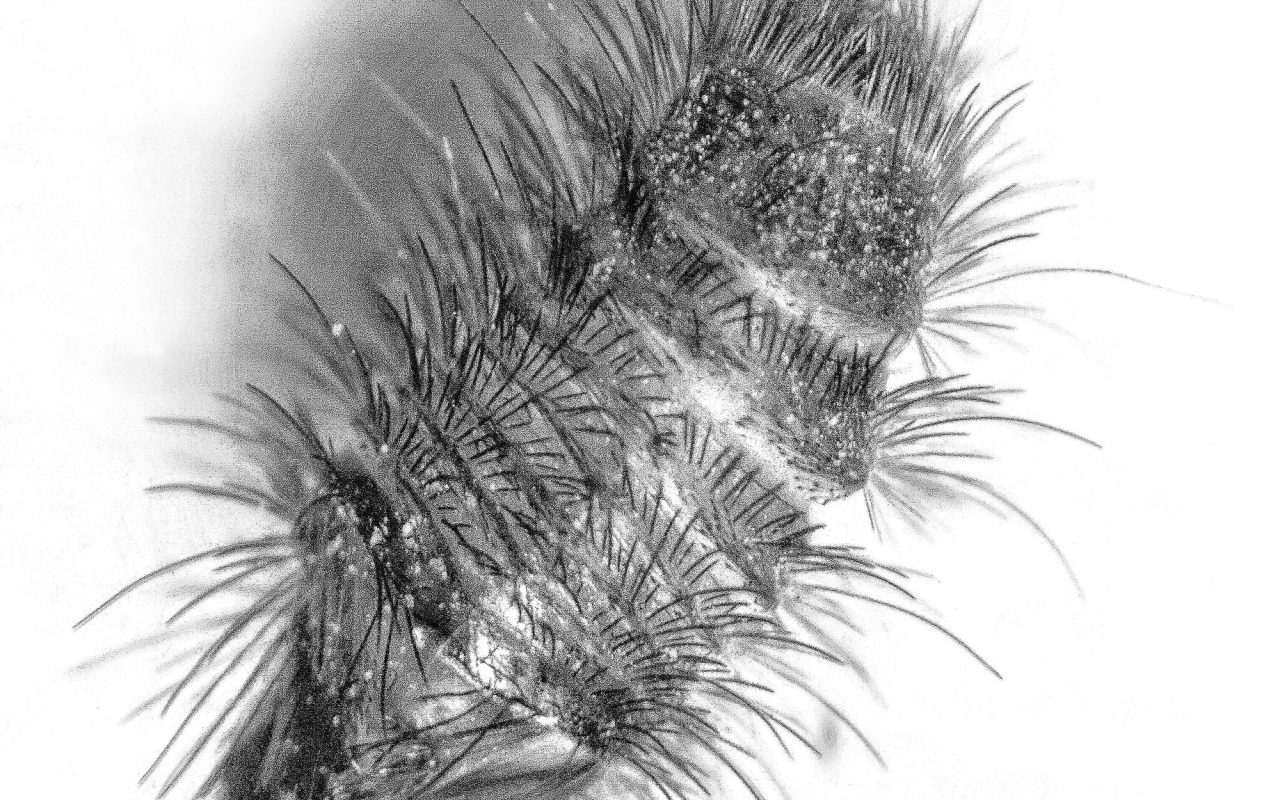
Carpet beetle larvae are covered in bristles called hastisetae: short, stiff hairs tipped with a barbed, spear-shaped head, built to detach easily. That’s not incidental. A bristle that pulls free in a predator’s mouth is a small defense, and the same looseness is what leaves them behind on carpet, bedding, and eventually skin. They’re made mostly of chitin, the same material as the rest of the insect’s exoskeleton, which is a well-documented skin and airway irritant on its own.
The molts add to the pile. A larva sheds its skin somewhere between five and eleven times before it becomes a beetle, and each molt leaves a hollow, bristle-covered husk behind. In a room with an established population, those shed skins outnumber the live insects by a wide margin, and they don’t stay put. They dry out, break apart, and the fragments settle into carpet pile, mattress seams, and the dust along a baseboard, exactly where skin brushes against fabric.
What follows is a hypersensitivity reaction, the same broad category as a reaction to nickel or poison ivy, not an infection and not a response to venom. Dermatology literature on the subject describes itchy, raised, sometimes fluid-filled bumps wherever the bristles made contact, and the condition shows up under names like carpet beetle dermatitis or Dermestidae dermatitis. In rare cases, enough airborne fragments reaching the nose or eyes have been linked to sneezing, congestion, or asthma-like symptoms in people already sensitized, though skin contact is by far the more common route.
What’s usually in contact when it happens
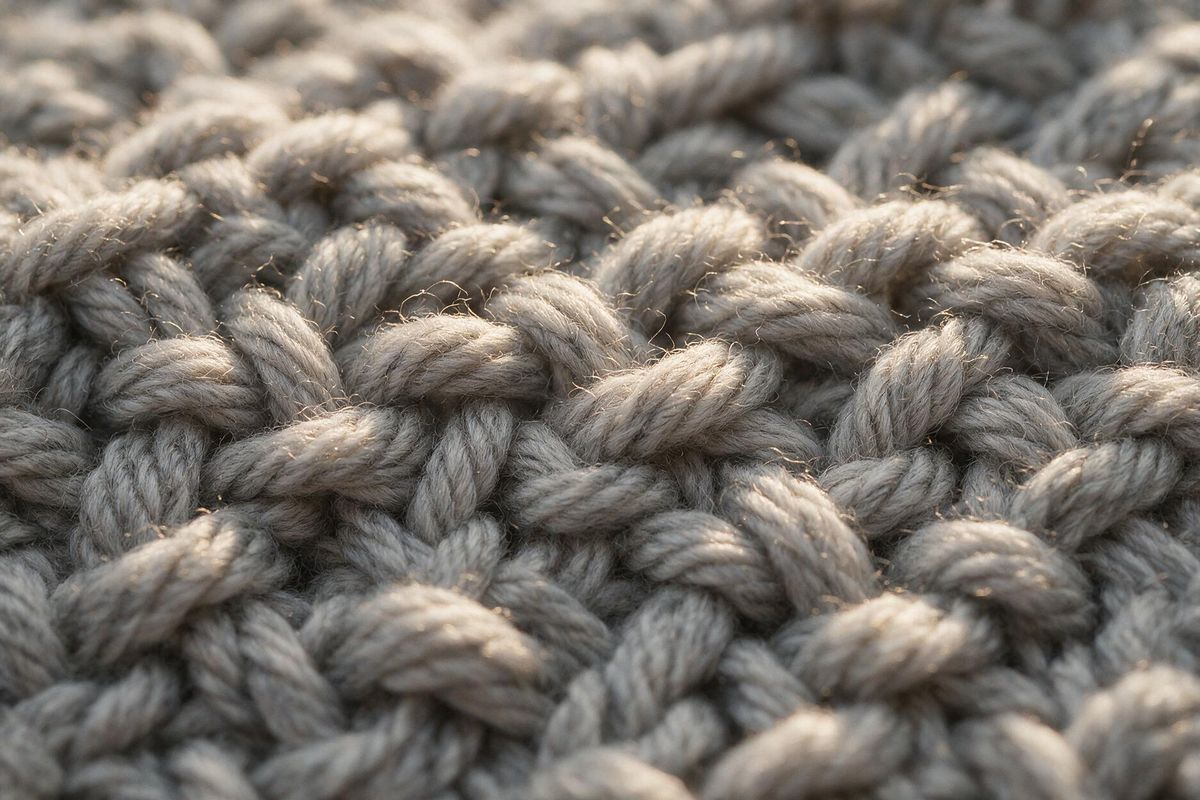
The reaction needs contact, so it shows up where skin meets contaminated fabric rather than at random. A wool sweater against bare forearms. A sheepskin rug underfoot. A stored blanket pulled out of a closet for one cold night. An upholstered chair carrying more lint and pet hair than anyone’s noticed. None of that is unusual. It’s just fabric that’s been sitting undisturbed long enough for a population to settle in, which is also why the reaction is so easy to blame on something new, like a hotel stay or a secondhand mattress, when the actual source has often been in the house for a while.
Why it’s so easy to mistake for a bite
Four things separate this reaction from an actual bite, and all four show up in the pattern rather than in what any single bump looks like.
- No puncture. A biting insect leaves a feeding point. A hastisetae reaction is a barbed tip lodging in the outer layer of skin, not a hole made to draw blood, so there’s nothing at the center of the bump to find.
- It’s scattered, not lined up. Bed bugs feed in a row or small cluster as they probe for a blood vessel. Contact reactions appear wherever skin pressed against contaminated fabric, so they turn up at random instead.
- It can take weeks to show up. A hypersensitivity reaction needs repeated contact before the immune system responds, so the rash can start well after the beetles moved in, with no specific day to blame.
- It often hits one person and not another. Sensitization is individual. Two people sharing a bed can end up with completely different skin, which is one of the strongest signs this isn’t something biting either of them.
This is exactly the confusion do carpet beetles bite? exists to untangle, with a full table of what to check on your body and in the room. If you want to compare the insects themselves rather than the marks they leave, carpet beetle vs bed bug covers five differences you can see without a microscope.
This page describes what’s causing the reaction, not what to do about your skin. We can tell you what a hastisetae bristle is and how it ends up on a pillowcase. We can’t look at a rash and tell you what it is or how to treat it, and we’re not going to pretend otherwise. If something doesn’t fit the pattern above, or doesn’t clear up once the exposure is gone, that’s a question for a doctor. Here’s why we draw the line there.
What actually makes it stop
The rash isn’t the problem to solve. The exposure is. Everything below is about the fabric, not the skin.
- Wash and dry on high heat anything that’s been in contact: bedding, clothing, a favorite blanket. Heat kills every stage, hastisetae included.
- Vacuum where the debris actually collects: carpet edges, baseboards, under the bed, upholstery seams, not the open middle of a room. Empty the canister outside afterward.
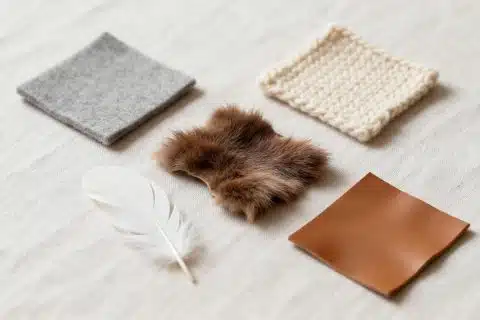
- Find the keratin source. Wool, fur, feathers, and old pet hair are what the larvae are there for, and new bristles keep arriving until it’s gone. The full removal protocol walks through where to look, room by room.
- Give it time. The rash tends to fade on its own schedule once contact stops, not overnight, and that timeline isn’t something a pest guide can predict.
What’s missing from that list is any mention of creams, antihistamines, or anything else applied to skin. That’s deliberate, not an oversight.
FAQ
Is carpet beetle rash contagious?
No. The trigger is physical contact with shed bristles, not a pathogen or something living on your skin. A reaction on one person can’t spread to someone else. What can happen is two people in the same house getting exposed to the same source and reacting differently, or not at all.
How long does carpet beetle rash last?
There’s no fixed number to give here. It’s tied to exposure, not a countdown, so it tends to fade gradually once contact with the bristles stops. If it’s lingering well after you’ve dealt with the source, or you’re not sure it’s fading at all, that’s worth a doctor’s opinion rather than more waiting.
Why does it only affect one person in the house?
Because it’s a sensitization reaction, not a bite. Some people’s skin responds to hastisetae contact and others exposed to the exact same bedding never react at all. That one-sided pattern is one of the clearest signs you’re not dealing with something that feeds on people.
Is this the same as a bed bug bite?
No, and it’s worth telling them apart, since they call for completely different responses. Bed bug bites come from an insect feeding on you overnight, usually in a line or small cluster on exposed skin. This reaction comes from contact with shed bristles and tends to scatter wherever fabric touched skin. Do carpet beetles bite? goes through the full comparison.
Do I need to see a doctor about it?
If you’re not sure what’s causing a rash, or it isn’t improving once you’ve removed the fabric source, yes. This page can explain what a carpet beetle larva leaves behind. It can’t examine your skin, and we don’t try.
Sources
- Cutis (Dermatology), What’s Eating You? Carpet Beetles (Dermestidae).
- University of Kentucky Entomology, Carpet Beetles, ENTFACT-601.
- Penn State Extension, Varied Carpet Beetle fact sheet.