Short answer
Something chewed a hole in your sweater and there is a small moth in the closet. The moth you can see is not the one that did it. Adult clothes moths do not feed at all, and only a couple of species go after fabric indoors.
- Killing the adult stops nothing. It never ate a fiber in its life. The eating is done by larvae, somewhere you have not looked.
- Two species matter indoors: the webbing clothes moth and the casemaking clothes moth. The moth at your porch light is no threat to your wardrobe.
- Larvae eat keratin, an animal protein. Wool, silk, fur and feathers are food. Clean cotton and polyester usually are not.
Short question, longer answer. Moths mostly do not eat clothes. The few that do only eat during one stage of life. And they are not eating cloth so much as what the cloth is made of.
The moth in your closet has never eaten a sweater
Start with the part that surprises people. The University of Kentucky fact sheet on clothes moths says it in one line: adults do not feed, so they cause no injury to fabrics. Their whole job is mating and laying eggs.
So the moth you cornered against the closet door was not the culprit. It was the notification. University of Minnesota Extension frames it the same way: the adult is harmless in itself, but its presence means a larval infestation nearby.
The larvae are not out in the open where the adult is flying. They feed in dark, undisturbed spots: folds and seams, under a collar, along the edge of a rug, inside a floor vent full of lint. Michigan State University puts the larval period at five weeks to two and a half years, so if an adult is out, something has been eating a while. Go look. Our guide to clothes moth larvae covers the damage and the inspection.
Do all moths eat clothes? Almost none of them do
Moths are an enormous group and nearly all of it has no interest in your closet. Two species are the common indoor fabric pests in North America: the webbing clothes moth (Tineola bisselliella) and the casemaking clothes moth (Tinea pellionella). Kentucky names those two and stops. That is the whole list, and the answer to which moths eat clothes.
Neither is drawn to light, which is the fastest way to rule things out. Michigan State describes clothes moths as weak flyers that avoid lights and hide when disturbed, which is why the damage usually turns up before the insect does. The moth at your porch bulb is something else, and so is the one circling the kitchen at dusk. The clothes moth species page has the identification, and pantry moth vs clothes moth handles the kitchen case.
So what do moths eat, then?
Widen the question and the answer changes shape. For most species the eating happens in the caterpillar stage, on a host plant the female picked when she laid her eggs. Leaves, mostly. Adults of many species drink nectar, and Penn State Extension credits moths with a real share of the pollination work after dark.
Then there are the adults that do not eat at all. The clothes moth is one, which is what makes the misconception so upside down: the insect people blame is the stage that does no eating at all.
It is not the fabric they want, it is the keratin
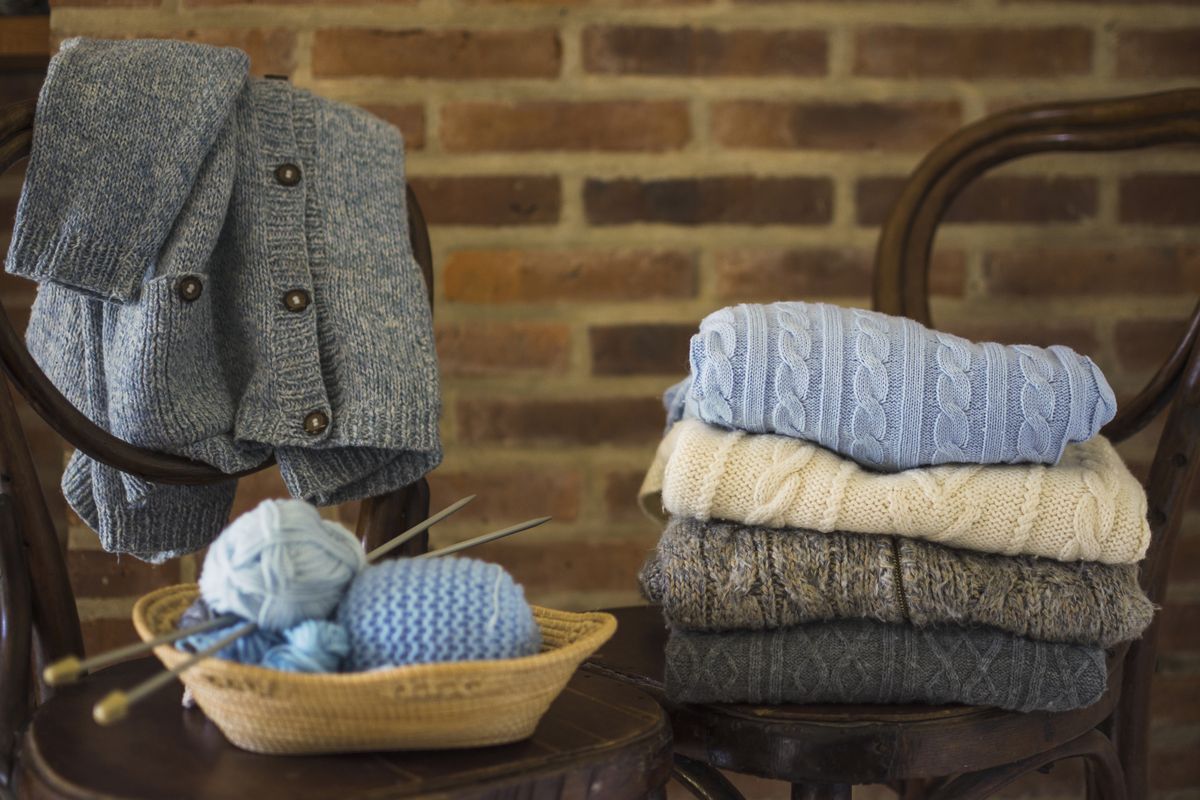
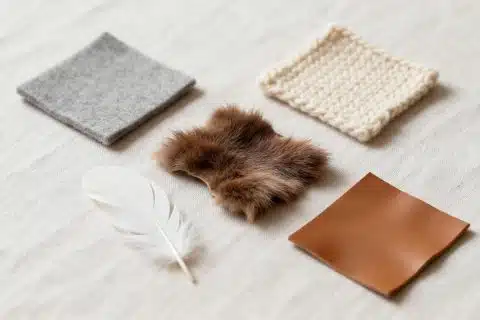
Kentucky is specific about the diet. Clothes moth larvae feed on animal fibers, especially wool, fur, silk, feathers, felt and leather. What those share is keratin, a fibrous protein these larvae are adapted to digest.
Which explains the odd list of things that get chewed: wool felts inside a piano, bristles in an old brush, a taxidermy mount. In nature, Kentucky notes, the larvae feed on the nesting material and carcasses of birds and mammals. A closet full of wool is a very good bird nest.
The webbing clothes moth is no purist, though. It takes keratin and it takes debris, which is why lint and pet hair in a floor vent will feed a population with no clothing involved. Carpet beetle larvae digest keratin too, and Kentucky flags them by name: damage blamed on clothes moths is often theirs. Our page on carpet beetle larvae covers the difference.
Do moths eat cotton?
Not on its own. Cotton is a plant fiber with no keratin in it, and Kentucky’s wording is that cotton and synthetics such as polyester and rayon are rarely attacked. Then come the two exceptions, which matter more than the rule.
The first is blending. Michigan State says cotton and synthetics are fed on when they are blended with wool, so a wool blend is food for whatever share of it is wool. Larvae will also use cotton fibers to build their pupal cases, so cotton can turn up in an infestation without ever being a meal.
The second is soil, and this is the one to remember. Michigan State lists fabrics stained by food, perspiration or urine as more subject to damage, and Texas A&M says the same about fabrics of plant origin and synthetics soiled with oils. Kentucky adds that cleaning a garment removes the perspiration odor that draws these pests.
Turn that around and you have a rule. A clean cotton shirt is not food. The same shirt, worn once and folded into a drawer for six months, is. The fiber did not change; what was on it did. Kentucky notes that garments in regular use are seldom infested. The losses happen in storage.
| Material | Eaten? | Why |
|---|---|---|
| Wool | Yes | Keratin, the main target |
| Silk | Yes | An animal protein fiber |
| Cashmere, mohair, alpaca | Yes | Animal hair, same protein as wool |
| Fur and feathers | Yes | Keratin, and their food in a bird nest |
| Wool felt | Yes | Wool, compressed. Piano felts are a known case |
| Leather | Yes | Among the animal materials they feed on |
| Clean cotton | Rarely | Plant fiber, no keratin |
| Soiled cotton (sweat, body oils, food) | Yes | The stain is the meal, not the fiber |
| Clean polyester, nylon, rayon | Rarely | No animal protein |
| Wool and synthetic blend | Yes, the wool part | Larvae feed on the animal fiber in it |
Put it away clean: dry cleaning or hot laundering does two jobs. It kills eggs and larvae already on the item and strips the perspiration and food residue that made it worth eating. Worn once, then stored, is the risky combination. More in our guide to keeping moths out of a closet.
Where that leaves you
An adult moth is an instruction to go and look, and then to get rid of what you find, not a problem you solved by killing it. The habit with the best return is the dull one: things go into storage clean.
FAQ
Do all moths eat clothes?
No, and almost none do. Two species are the common indoor fabric pests in North America. The rest feed on plants as caterpillars, and many adults drink nectar.
Which moths eat clothes, exactly?
The webbing clothes moth (Tineola bisselliella) and the casemaking clothes moth (Tinea pellionella). Those are the two types of clothes moth you meet indoors. Both avoid light and stay close to whatever the larvae are eating.
Do pantry moths eat clothes?
No. Pantry moths are stored food pests and their larvae develop in grain, flour, cereal and pet food. A full-grown larva will crawl a long way from the food to pupate, sometimes onto a bedroom wall, which is where the confusion starts.
Does killing the adult moth stop the damage?
Not by itself. The adult never fed on the fabric. Killing it removes one insect that may still have had eggs to lay, but the larvae that already hatched keep going. Treat the sighting as a reason to inspect.
Are clothes moths dangerous to people or pets?
They damage property, not people. The Texas A&M field guide describes both clothes moth species as medically harmless. The thing at risk is the wool.
Sources
- University of Kentucky Department of Entomology, Clothes Moths, ENTFACT-609.
- Michigan State University Plant & Pest Diagnostics, Clothes moths.
- Texas A&M AgriLife Extension, Casemaking Clothes Moth, Field Guide to Common Texas Insects.
- University of Minnesota Extension, Webbing clothes moth, What Insect Is This?
- Penn State Extension, Moths: The Forgotten Pollinators.