Short answer
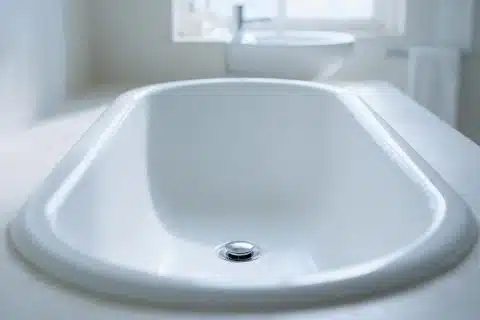
A silverfish in the bathtub or sink did not come up the drain. It fell in from a nearby hiding spot and cannot climb back out, because its claws have nothing to grip on glazed porcelain. The fixture is not where it lives; it is a trap reporting a population hiding somewhere close by.
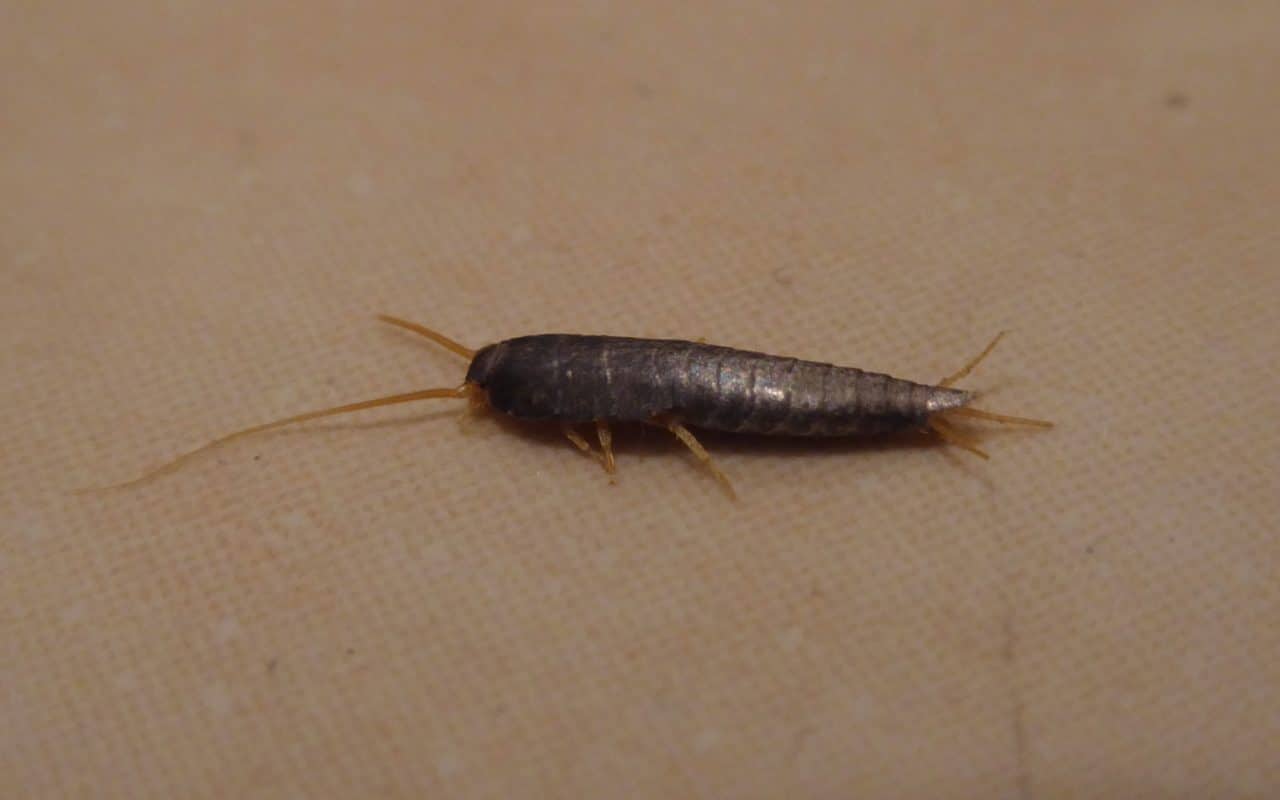
- Confirm the insect first: a silverfish runs steadily on six legs and never jumps. What one actually looks like.
- Stop checking the drain. Silverfish are not aquatic and cannot cross the water seal in the trap.
- Look nearby instead, in the dark, paper-filled spots a few feet from the fixture. The three conditions that let a population take hold.
Why glazed porcelain is a trap, not a habitat
A silverfish crosses rough plaster, unfinished wood, cardboard and grout without any trouble at all. What stops it is a smooth, glazed surface: UC IPM notes plainly that silverfish and the related firebrat end up stuck in a bathtub or sink because they cannot climb up the slippery sides to get back out. There is nothing for the claws at the end of each leg to catch, so a silverfish that reaches the wall of the basin slides straight back down it.
That single fact explains the whole scene. A silverfish does not travel to a bathtub to feed or breed; porcelain offers it nothing. It wanders in at night while it is out looking for water and food, drops over the rim or in from the overflow, and then cannot leave. Every animal you find in the morning fell in sometime after the last time the basin was used.
Why bathrooms produce more of them than any other room
Silverfish take most of their water from the air rather than from drinking, which makes them unusually dependent on relative humidity. UC IPM puts the species’ preferred range at roughly 75 to 95 percent relative humidity, at temperatures between about 71°F and 90°F (22 to 32°C). A bathroom clears that bar for an hour or more after every shower, which is longer than almost any other room in the house holds that kind of air.
The whole-house average is not the number that matters: a hallway hygrometer can read a comfortable 45 percent while the air inside a closed vanity cabinet sits well above it for hours. Measure near the cabinet, not in the middle of the room, if you want a reading that means anything here.
Where they are actually coming from
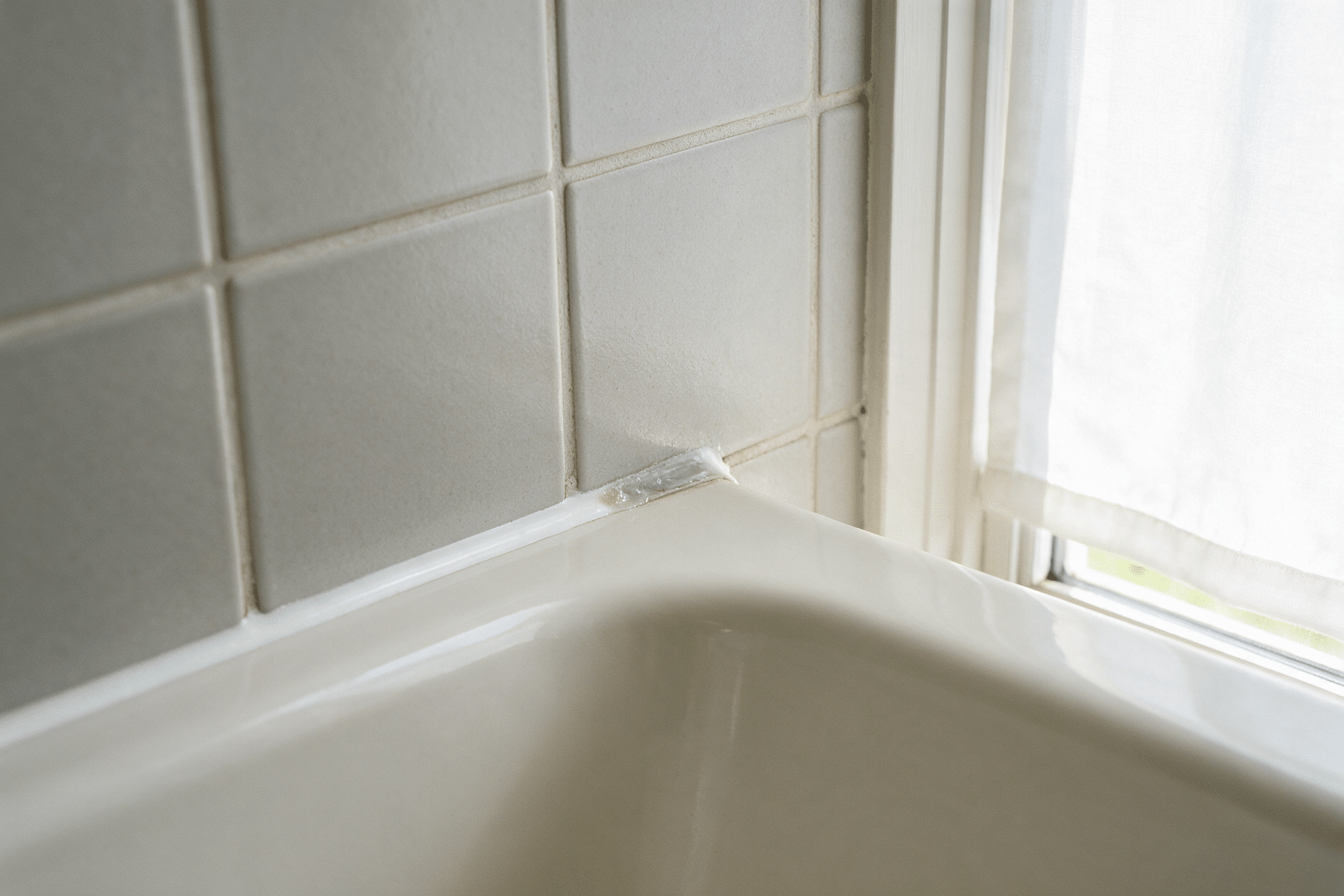
A resident silverfish population needs three things in the same few inches: air that stays damp, starch or cellulose to eat, and a dark gap nobody disturbs. A bathroom supplies the first condition better than almost any other room, and it often supplies the second one too, in places people do not think to check, because bathrooms store an unusual amount of paper.
| Where to check | What makes it attractive |
|---|---|
| Vanity cabinet, back corner, behind stored rolls | Spare toilet paper and tissue boxes are almost pure cellulose, sitting in the room’s dampest cabinet |
| Caulk line above the tub or around a drop-in sink | A bead pulled away from the tile leaves a dark gap that stays wet between showers |
| Baseboard and toe kick along the tub wall | Paint blistering or caulk lifting usually means the wall cavity behind it is damp too |
| A linen closet or shelf built into the bathroom wall | Towels and boxed tissues stacked tight stay undisturbed for weeks at a time |
| Window sill or frame over the tub | Overnight condensation keeps painted wood damp long after the room has aired out |
| Magazines, cardboard, or a wicker hamper left on the floor | Paper and woven fiber sitting directly on damp tile, rarely moved |
Notice what is missing from that list: the drain itself. Silverfish are not aquatic, and a water-filled trap under the sink blocks them the same way it blocks sewer gas. One in the basin arrived from above or from the side, never from below.
The overnight test that rules out the drain for good
This takes ten minutes and settles the question better than another week of watching.
- Rinse the basin and wipe it completely dry, including the walls.
- Seat a flat stopper in the drain. A pop-up that leaves a gap does not count.
- Leave the room dark and unused overnight.
- Check the basin before anyone runs water in the morning.
- Run the fan longer. Most bathroom fans get switched off with the light. Leave it running 20 minutes past the end of a shower so the walls and cabinet actually dry out, not just the air.
- Clear the cabinet. Move spare toilet paper and tissue boxes to a dry closet elsewhere in the house, or into a container with a sealing lid. It is the easiest of the three conditions to remove from a bathroom specifically.
- Re-bed failed caulk. Cut out a bead that has pulled away, let the joint dry for a full day, then re-seal it. Caulking over a damp, undisturbed gap just seals the moisture in.
- Add a dehumidifier if the room still reads high. UC IPM lists this as a direct control for silverfish and firebrats in closed spaces, and a small unit run for a few hours after a shower reaches what a fan alone cannot.
- University of California Statewide Integrated Pest Management Program, Pest Notes: Silverfish and Firebrats.
Anything in a sealed, bone-dry basin the next morning came from above the rim, not from the pipe. If the basin stays empty for two nights running, try again after a humid day or a long shower; silverfish wander more when the air is damp, so a dry spell can make the problem look solved when it has only gone quiet.
Fix the source, not the fixture
Once you have a candidate spot from the table above, the work is ordinary building maintenance rather than pest control.
If silverfish are turning up in more than one room, work through the full humidity-first removal protocol rather than treating the bathroom in isolation; a wall void connects rooms the way it connects a crawlspace to a second-floor closet. The daily habits that keep a bathroom from re-soaking itself cover the maintenance side once the current population is gone.
Don’t do this: spraying the inside of the tub, or pouring bleach or a drain cleaner down the plughole. Nothing in the pipe needs treating, and a residual insecticide on a surface people stand on barefoot is worse than the insect. A sprayed basin also rinses clean at the next shower, so the silverfish nearby never contact it at all.
Make sure it is actually a silverfish
Two other bathroom bugs end up trapped in a basin the same way, and the fix is different for each one, so it is worth a second look before you start.
A silverfish runs in a fast, steady line and never leaves the ground; it is silvery and carrot-shaped, tapering to three long tail bristles. A springtail is far smaller, under 2 mm, and launches several inches sideways when it is disturbed rather than running. A booklouse is pale, soft-bodied and walks at an unhurried pace, closer to the springtail’s size than the silverfish’s. If what you are looking at jumps, it is not a silverfish. A closer look at the identification, if the basin is not your first sighting covers the rest of the room.
FAQ
Can silverfish climb back out of a bathtub on their own?
No, not once they are past the first few inches of the wall. Glazed porcelain gives their claws nothing to grip, so a silverfish that reaches the slope slides back to the bottom. It will stay in the basin until it is removed or dies.
Does finding silverfish in the tub mean the house has an infestation?
Not from one sighting. A single animal is often just an unlucky wanderer. Repeated finds over several weeks, or more than one at a time, point to an established population nearby and are worth tracing with the table above.
Do silverfish bite?
No. Their mandibles are too weak to break skin; they scrape at paper and starch rather than bite. Why the fear persists anyway covers where the idea comes from.
Why do I only ever find them in the bathroom and nowhere else?
Because the bathroom usually has the only surface in the house that stays wet enough for them, and a smooth basin is the one place a wandering silverfish gets stuck instead of walking off. They may well be living elsewhere in the house too; the bathtub is just where you can see them.
How long can a silverfish survive trapped in a dry tub?
No extension source publishes a figure for this specific situation, so treat it as reasoning rather than a citation: silverfish can go a long stretch without food, but a dry, enclosed basin away from any moisture source is a poor place to last long. Most of what you find are recent arrivals, not long-term survivors.